
You could take a college course to learn some of the skills and knowledge needed in this job, for example:
- customer service in leisure, travel and tourism
- travel and tourism
Entry requirements
Entry requirements for these courses vary.
As a Tour Guide in the UK, your primary role is to lead individuals or groups around points of interest, providing engaging and informative commentary. This could range from historical sites, museums, and art galleries to city tours, nature walks, or even multi-day excursions across regions. You are not just a walking encyclopaedia; you are an entertainer, a storyteller, and often the first point of contact for visitors to a new place. Your responsibilities include ensuring the safety and enjoyment of your group, managing timings, answering questions, and sometimes handling logistical aspects like tickets or transport coordination. Excellent communication skills, a deep knowledge of your subject matter, and the ability to adapt to different group dynamics are crucial for success in this role. Being a Tour Guide often means working outdoors in various weather conditions, being on your feet for extended periods, and maintaining an enthusiastic demeanour. Many guides specialise in certain areas, such as history, architecture, nature, or specific cultural aspects. Gaining qualifications from recognised bodies, such as the Institute of Tourist Guiding (ITG) for Blue Badge, Green Badge, or White Badge guides, can significantly enhance your credibility and employment prospects, particularly for premium tours.
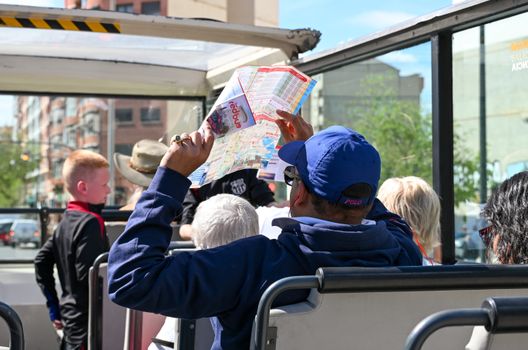
The average annual salary for a Tour Guide in the UK typically ranges from approximately 20,000 to 28,000 pounds. Experienced guides, especially those specialising in niche areas or high-demand locations, can earn more, potentially reaching 35,000 pounds or higher. This often depends on whether they are freelance, employed by a company, and the number of tours they conduct.
While precise real-time figures for 'Tour Guide' positions can fluctuate, the broader 'travel and tourism' sector in the UK employs around 2.6 million people. The demand for skilled tour guides remains consistent, particularly in major tourist hubs like London, Edinburgh, and across national parks. The industry is dynamic, with opportunities often increasing during peak tourist seasons (spring and summer) and for guides able to offer specialised knowledge or language skills. Many positions are offered on a freelance or contract basis.
Working hours for a Tour Guide are highly variable. Full-time guides might work around 35-40 hours a week, but these hours are often irregular, including weekends and public holidays, especially during peak season. Part-time and freelance roles are very common, offering flexibility but also requiring guides to manage their own schedules and bookings.
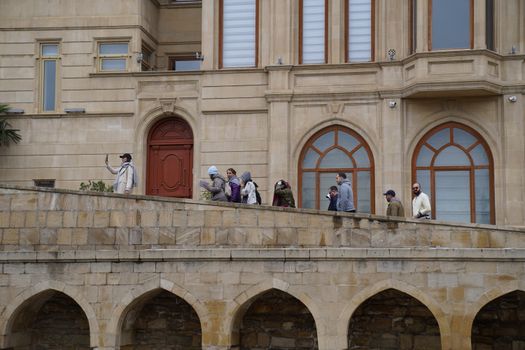
Work at a historical landmark, museum, or an area of natural beauty, providing in-depth information, leading engaging tours, and running educational programmes for visitors. This role requires excellent storytelling skills and a good understanding of history or natural sciences.
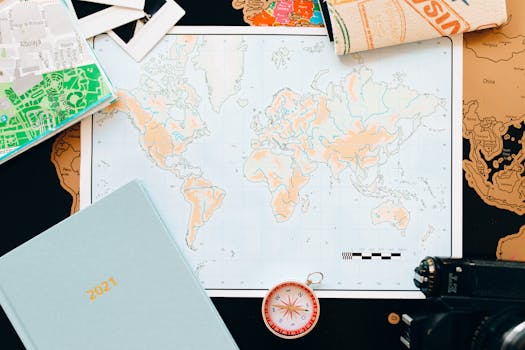
Design and lead unique, niche tours focusing on specific aspects of a city or region, such as food and drink trails, street art walks, photography tours, or historical reenactments. This requires creativity, local knowledge, and an entrepreneurial spirit.
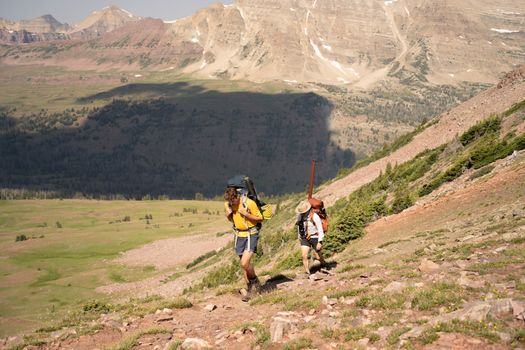
Lead groups on active tours like hiking, cycling, kayaking, or wildlife spotting in specific regions, often requiring relevant certifications (e.g., first aid, mountain leader). This role combines leadership with a passion for the outdoors and adventure.
Understand the different types of tour guiding available, such as city tours, museum tours, nature tours, or specialist interest tours.
Start by exploring the variety of tour guiding jobs. Are you interested in historical sites, art galleries, outdoor adventures, or perhaps food tours? Research local and national tourism boards, tour operators, and cultural institutions to see what roles exist and what their requirements are. Websites like Tourism Skills Group or Institute of Tourist Guiding can be good starting points to understand the industry landscape.
Become an expert in the history, culture, geography, and interesting facts of your chosen tour area.
This is crucial for any tour guide. Spend time learning everything you can about the places you want to guide. Read books, visit museums, attend local events, and speak to local historians or community members. The more in-depth your knowledge, the more engaging and authentic your tours will be. Practice recounting facts and stories to friends and family to refine your narrative.
Work on your public speaking, storytelling, interpersonal, and problem-solving abilities.
Great tour guides are excellent communicators. Practice speaking clearly, projecting your voice, and engaging an audience. Develop your storytelling skills to make information memorable and exciting. Strong interpersonal skills are vital for interacting with diverse groups, while problem-solving and adaptability will help you handle unexpected situations, such as late arrivals, weather changes, or group dynamics. Consider joining a public speaking club or taking communication workshops.
Seek opportunities to learn from seasoned professionals and get a feel for the job firsthand.
Volunteering at a local museum, heritage site, or visitor centre can provide invaluable practical experience and networking opportunities. Ask if you can shadow an experienced tour guide to observe their techniques, how they manage groups, and how they handle questions. This hands-on exposure is often the best way to understand the day-to-day realities of the role and build confidence.
Consider certifications or courses that will enhance your credibility and skills.
While not always strictly mandatory, official qualifications can significantly boost your career prospects. In the UK, organisations like the Institute of Tourist Guiding (ITG) offer badges and qualifications, such as the 'Blue Badge Guide' which is a highly respected professional qualification. There are also local guiding associations that offer specific training for their regions. Look into NVQs in Guiding or tourism-related diplomas at local colleges or universities, if you prefer a more formal education path.
Specialise in a niche area or type of tour to stand out.
Once you have a general understanding, think about what kind of tours you'd like to lead. Perhaps you have a passion for architecture, local folklore, food history, or specific outdoor activities. Developing a specialism can make you more marketable and allow you to create unique, engaging experiences. Research potential demand for your niche and start crafting detailed itineraries and narratives around it.
Showcase your skills, experience, and knowledge in an appealing way.
Compile a portfolio that includes your CV, any certifications, testimonials from volunteering or shadowing, and even sample tour itineraries or scripts you've developed. If you've led any informal tours, gather feedback or photos. A professional online presence, such as a LinkedIn profile or a simple website, can also be a great way to present yourself to potential employers or clients.
Connect with industry professionals and actively seek employment opportunities.
Attend tourism industry events, join professional guiding associations, and connect with tour operators, hotels, and visitor attractions. Let people know you're looking for work. Apply for advertised positions with tour companies, museums, national parks, or cruise lines. Be proactive in reaching out to potential employers with your portfolio and a tailored cover letter explaining why you'd be a great fit.
Explore the option of working independently and building your own tour business.
Many tour guides work on a freelance basis. This can offer more flexibility and control over your tours. If you choose this path, you'll need to develop strong business skills: marketing yourself, managing bookings, handling finances, and potentially securing public liability insurance. Start by offering a few unique tours to friends and family, gather feedback, and then gradually expand your offerings and client base through word-of-mouth and online promotion.
Travel agents help clients plan and book holidays, flights, accommodation, and tours. They have a broad knowledge of destinations and travel products, focusing on the logistical and booking side of the travel experience.

These professionals work within museums or heritage sites, researching, preserving, and displaying collections. An education officer specifically designs and delivers programmes and tours for visitors, often with an educational focus, similar to guiding but within a fixed institution.

Event managers plan, organise, and execute various events, from corporate conferences to festivals. They manage logistics, budgets, and teams, sharing the organisational and customer service aspects with tour guiding, often involving managing attendee experiences.
Explore relevant apprenticeships that can help you kickstart your career in Tour Guide. Apprenticeships offer hands-on experience and training while earning a wage.
This page showcases various career options and the pathways to reach them. Each career listed here shares transferable skills and knowledge, making it easier for individuals to transition between them.
Your current career is highlighted to help you see how it fits into the broader landscape of potential career choices. By clicking on any career, you can learn more about it, including the training and education required to pursue it.
Remember, progressing in your career often involves further learning and training. This page provides insights into future career options as well as those that can lead up to your current one.
These career progression decisions are informed by comparing the skills and knowledge needed for different occupations, along with data on how people move between them. Explore the possibilities and discover the exciting journey ahead in your career!
A Tour Guide directly matches the role of a Tourist Guide, as both involve leading individuals or groups through attractions, cities, or regions, providing information and ensuring an enjoyable experience.
You can get into this job through:
You could take a college course to learn some of the skills and knowledge needed in this job, for example:
Entry requirements for these courses vary.
Local visitor information centres, national parks, museums and sites of cultural and historical interest often have volunteering opportunities to work as a tourist guide.
Many people become tourist guides as a second career, for example students who want to work during holidays or actors who are between acting jobs.
An outgoing and friendly personality will give you an advantage when applying for jobs. Experience of dealing with the public, giving presentations or speaking in public can also help.
You could take training through the Institute of Tourist Guiding to get your tour guide badge. There are 3 levels of training, that vary in length:
You can also apply to local tour guide associations, private training providers, or major tourist attractions that run their own schemes, for example Guide London, York Minster and the National Trust.
A second language or a history qualification can also be useful for this type of work though is not essential.
You can learn about how to become a tourist guide from the Institute of Tourist Guiding.
You can get more information about careers in the travel industry from Take Off in Travel.
Explore other careers or use our AI to discover personalised paths based on your interests.
Address
Developing Experts Limited
Exchange Street Buildings
35-37 Exchange Street
Norwich
NR2 1DP
UK
Phone
01603 273515
Email
[email protected]
Copyright 2026 Developing Experts, All rights reserved.

Unlock expert-designed lessons, resources, and assessments tailored for educators. No credit card required.
Claim Your Free Trial →We use cookies to enhance your browsing experience and analyze our traffic. Learn more.
