
You could take a college course to learn some of the skills and knowledge needed in this job, for example:
- customer service in leisure, travel and tourism
- travel and tourism
Entry requirements
Entry requirements for these courses vary.
A Tour Guide is someone who shows groups of people around interesting places, like famous historical sites, museums, cities, or even natural landscapes. Their main job is to share fascinating facts, stories, and information about the place, making sure everyone has a fun and educational experience. They might explain the history of an old castle, tell funny anecdotes about a famous person who lived in a certain area, or point out special plants and animals in a park. It is all about bringing the location to life for visitors! They need to be good at talking to people, keeping them engaged, and making sure everyone stays together and enjoys themselves. Being a Tour Guide in the UK means you could be working in lots of different exciting places, from guiding visitors through the ancient Tower of London, exploring the Scottish Highlands, or even taking groups on a foodie tour of a bustling market. You'll need to research your locations really well, know your facts, and be able to answer lots of questions. It's a job that involves lots of walking and being on your feet, and it's perfect for someone who loves history, geography, meeting new people from all over the world, and sharing their passion for the UK's amazing sights and stories.
In the UK, a Tour Guide's salary can vary quite a bit. Entry-level or part-time guides might earn around 18,000 to 22,000 pounds per year. Experienced guides, especially those working for specialist tours or in popular locations, could earn 25,000 to 35,000 pounds or more annually. Many also work on a freelance basis, charging per tour.
The number of available Tour Guide positions in the UK fluctuates with the tourism industry. It is a sector that often sees seasonal demand, with more opportunities during peak tourist seasons like summer. While an exact national number is hard to pinpoint, thousands of tour guides are employed across the UK, especially in major cities like London, Edinburgh, and tourist hotspots like the Lake District or Cotswolds, and many more work freelance.
A Tour Guide's working hours can be very flexible and often depend on the tours they lead. Some guides work full-time, while others work part-time or on an ad-hoc basis. They might work evenings, weekends, and public holidays, especially if guiding private groups or special events. A typical tour might last a few hours, but preparation time is also needed.
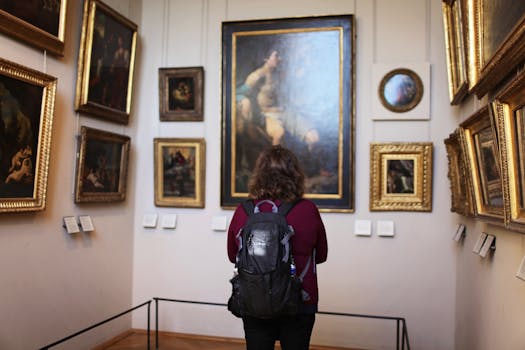
Imagine working at a local museum, teaching visitors about history, art, or science. You could lead school groups on tours, run fun workshops, or help design interactive exhibits for people of all ages to enjoy and learn from. It's like being a storyteller in a place full of amazing things.
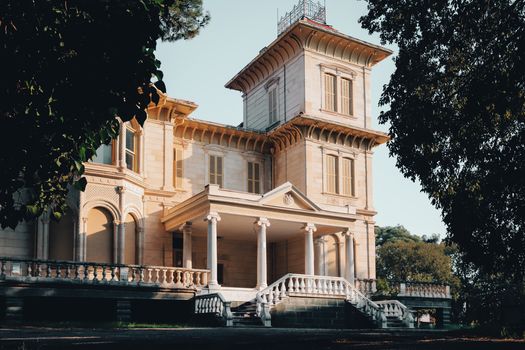
This is a job where you help look after a special historical place, like an old castle, a famous ruin, or a beautiful ancient park. You might help visitors find their way around, tell them interesting facts about the site, and make sure everything is kept safe and tidy for everyone to enjoy. It's about protecting history and sharing its stories.

For this role, you could research fascinating stories about your local area or town and then share them with others. You might create special walks, write short articles for a community website, or even record podcasts that bring the past to life for people. It's all about discovering hidden gems and sharing the unique tales that make your area special.
Start by exploring your local town or city with curious eyes, just like a tourist would! Look up historical facts, famous people, and hidden gems.
Visit local museums, art galleries, parks, and historical buildings. Read books or websites about your area's history and culture. The more you know about your surroundings, the better equipped you'll be to share interesting stories with others. Think about what makes your area special and what visitors might want to know.
A big part of being a great tour guide is telling engaging stories. Practice talking about interesting facts or events to your family and friends.
Try to explain something you've learned about your local area in an exciting way, without just reading from notes. Work on speaking clearly, making eye contact, and using different tones of voice to keep your audience interested. Good communication skills are super important for keeping a group engaged and entertained.
Get involved in groups that help you practice speaking in front of others, like a drama club, a debating society, or a local youth group.
These activities are excellent for building confidence, improving your public speaking, and learning how to interact with different people. Being comfortable talking to a group is essential for leading tours. You'll also learn to think on your feet and answer questions effectively, which are key skills for a tour guide.
Offer your time to help out at a local museum, stately home, nature reserve, or visitor centre. This is a brilliant way to see how tours run.
Volunteering can give you a behind-the-scenes look at how visitor attractions operate and how information is presented to the public. You might even get the chance to shadow experienced guides or help with smaller tasks that involve interacting with visitors. It's a fantastic way to learn practical skills and show your enthusiasm for the role.
Look into any specific courses or qualifications that might be useful for tour guiding, especially if you want to guide in specific areas like museums or nature reserves.
While not always mandatory, some employers might prefer candidates with qualifications like a 'Blue Badge Guide' qualification (for guiding throughout the UK), or specific diplomas in tourism, history, or archaeology. Local colleges might offer short courses in tourism or visitor services. These courses can teach you about tour planning, health and safety, and advanced guiding techniques.
Practice by planning and leading short, informal tours for your family and friends around your local area or a place you know well.
This is a great way to put everything you've learned into practice. Choose a theme, plan a route, research your facts, and then lead your 'guests'. Ask for feedback afterwards – what did they enjoy? What could be improved? This hands-on experience will help you refine your guiding style and build confidence.
Once you have some experience, start looking for paid or unpaid entry-level positions at visitor attractions, tour companies, or local councils.
Many places hire seasonal tour guides, especially during school holidays or peak tourist seasons. These roles are perfect for getting your foot in the door. Look for job advertisements online, at local tourist information centres, or even by directly contacting attractions you'd like to work for. Be prepared to show your passion and knowledge.
Meet and talk to people who already work as tour guides or in the tourism industry. They can offer advice and even tell you about job opportunities.
Attend local tourism events, industry meetups (if appropriate for your age, perhaps with a parent or guardian), or even connect with guides online. Networking can open doors to new possibilities and help you learn about different types of guiding roles available, from historical tours to adventure guiding.
As you gain experience, you might discover a particular type of guiding or a specific topic you love to talk about the most.
Do you love history, nature, art, or perhaps spooky ghost stories? Focusing on a niche can make you a more sought-after guide. You could become an expert in a specific historical period, a particular part of a city, or even a unique type of tour. Continuing to learn and develop your expertise will help you grow your career as a tour guide.
Like a Tour Guide, a Museum Educator works in a museum, but their main role is to teach visitors, especially school groups, about the exhibits. They design and deliver educational programmes and workshops.

A Travel Agent helps people plan and book their holidays, flights, and accommodation. While they don't usually lead tours themselves, they have a deep knowledge of destinations and help people arrange their travel experiences.
Similar to a Tour Guide, a Heritage Interpreter works at historical sites, national parks, or visitor centres. Their role is to explain the significance of the place, its history, or its natural environment to visitors, often through talks, demonstrations, or exhibits.
Explore relevant apprenticeships that can help you kickstart your career in Tour Guide. Apprenticeships offer hands-on experience and training while earning a wage.
This page showcases various career options and the pathways to reach them. Each career listed here shares transferable skills and knowledge, making it easier for individuals to transition between them.
Your current career is highlighted to help you see how it fits into the broader landscape of potential career choices. By clicking on any career, you can learn more about it, including the training and education required to pursue it.
Remember, progressing in your career often involves further learning and training. This page provides insights into future career options as well as those that can lead up to your current one.
These career progression decisions are informed by comparing the skills and knowledge needed for different occupations, along with data on how people move between them. Explore the possibilities and discover the exciting journey ahead in your career!
A Tour Guide directly matches the role of a Tourist Guide, as both involve leading individuals or groups to places of interest, providing information, and ensuring an enjoyable experience. The titles are synonymous in their function.
You can get into this job through:
You could take a college course to learn some of the skills and knowledge needed in this job, for example:
Entry requirements for these courses vary.
Local visitor information centres, national parks, museums and sites of cultural and historical interest often have volunteering opportunities to work as a tourist guide.
Many people become tourist guides as a second career, for example students who want to work during holidays or actors who are between acting jobs.
An outgoing and friendly personality will give you an advantage when applying for jobs. Experience of dealing with the public, giving presentations or speaking in public can also help.
You could take training through the Institute of Tourist Guiding to get your tour guide badge. There are 3 levels of training, that vary in length:
You can also apply to local tour guide associations, private training providers, or major tourist attractions that run their own schemes, for example Guide London, York Minster and the National Trust.
A second language or a history qualification can also be useful for this type of work though is not essential.
You can learn about how to become a tourist guide from the Institute of Tourist Guiding.
You can get more information about careers in the travel industry from Take Off in Travel.
Explore other careers or use our AI to discover personalised paths based on your interests.
Address
Developing Experts Limited
Exchange Street Buildings
35-37 Exchange Street
Norwich
NR2 1DP
UK
Phone
01603 273515
Email
[email protected]
Copyright 2026 Developing Experts, All rights reserved.

Unlock expert-designed lessons, resources, and assessments tailored for educators. No credit card required.
Claim Your Free Trial →We use cookies to enhance your browsing experience and analyze our traffic. Learn more.
