
You could take a college course to learn some of the skills and knowledge needed in this job, for example:
- customer service in leisure, travel and tourism
- travel and tourism
Entry requirements
Entry requirements for these courses vary.
Imagine you are an explorer, but instead of discovering new lands, you are showing people amazing places and telling them exciting stories about them! That is what a Tour Guide does. They take groups of people, maybe families, school trips, or even grown-ups from other countries, to see famous landmarks, beautiful landscapes, or interesting museums. A Tour Guide knows lots of fun facts and history about the places they visit. They might show you where kings and queens lived, tell you how a castle was built, or even point out special animals in a forest. Their job is to make sure everyone has a brilliant time, learns something new, and stays safe during their adventure. They need to be friendly, good at talking to groups, and have a very good memory for all those amazing facts. Being a Tour Guide is like being a storyteller with a map. You might work in a city, showing people around famous buildings like Buckingham Palace or the Tower of London. Or you might work in the countryside, guiding people on walks through national parks or along beautiful coastlines. Some guides even specialise in things like ghost tours or food tours where you get to taste different yummy things. You have to be organised, make sure everyone is having fun, and answer lots of questions. It is a super way to meet people from all over the world and share your love for your local area and its history.
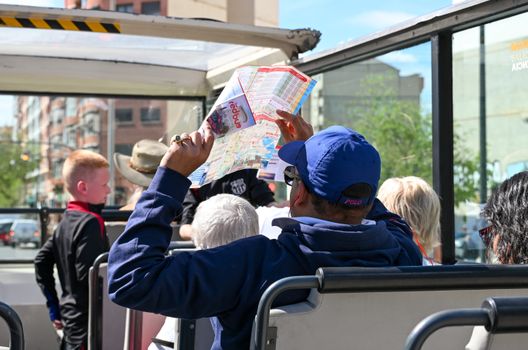
A Tour Guide in the UK might earn around 23,000 to 28,000 pounds a year, but this can change a lot depending on where they work and how much experience they have. Some guides might earn more, especially if they work for fancy tours or are self-employed.
It is a bit tricky to say an exact number for Tour Guide jobs because many guides work part-time or are self-employed. However, there are thousands of guides across the UK, especially in big cities and popular tourist spots like London, Edinburgh, and the Lake District. The tourism industry supports over 2.6 million jobs in the UK overall.
Before recent times, tourism in the UK was growing quite a bit. For example, in 2019, visitors spent over 28 billion pounds in the UK. This means there is often a need for good Tour Guides to help people enjoy their trips.
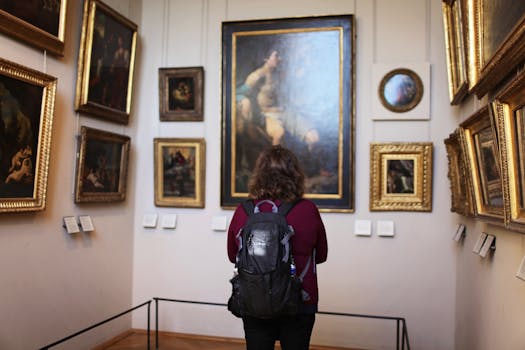
Imagine showing people around a big museum, pointing out all the amazing things like dinosaurs or old paintings! You'd tell fun stories about them.
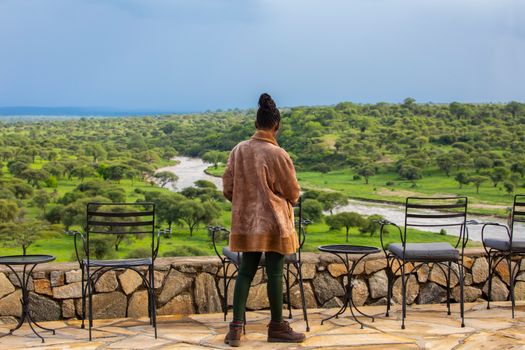
This is like being a tour guide, but for animals! You'd take families around the zoo and tell them fascinating facts about lions, penguins, and monkeys.
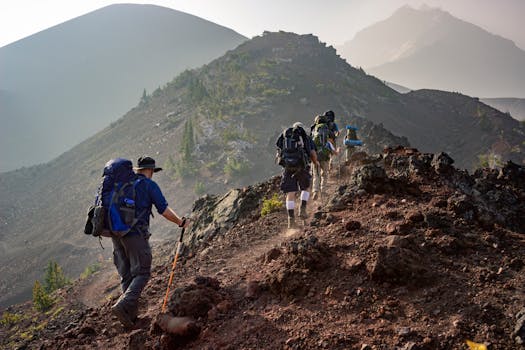
You'd lead groups on a walk through a beautiful park or forest, helping them spot interesting plants, birds, and insects. You'd teach them about nature.
Start by learning all about your local area. What's special about your town or city? Are there old buildings, interesting statues, or beautiful parks?
To become a local expert, you can visit local museums, read books about your town's history, or even ask older relatives what they remember about the area. Pay attention to street names and landmarks. The more you know, the better stories you can tell when you're a guide! Think about what makes your local area unique and exciting for visitors.
A good tour guide tells amazing stories! Practice telling your friends and family about things you've learned. Make it exciting and easy to understand.
When you practice storytelling, try to make your voice interesting – sometimes loud, sometimes quiet, sometimes fast, sometimes slow. Use your hands to show what you're talking about. You could even practice telling stories about your favourite toys or adventures you've had. The goal is to keep your audience interested and make them feel like they're part of the story.
If you can, go on a tour with a real tour guide! See how they talk, what they show people, and how they keep everyone happy.
Going on a guided tour is like being a detective! Watch closely how the guide introduces themselves, how they move the group from one spot to another, and how they answer questions. Notice if they use props or pictures. Think about what you enjoyed most about their tour and what you might do differently. This helps you learn tips and tricks for when it's your turn to be the guide.
Being friendly and helpful is super important. People on a tour like to feel welcome and cared for.
Practise saying hello with a big smile, making eye contact, and being polite. Offer to help friends or family with small tasks, like finding a lost item or opening a door. Being a good listener is also part of being friendly; it shows you care about what people are saying. These small actions help you build confidence in making people feel comfortable and happy around you.
A tour guide talks to a group of people. Practise speaking clearly and loudly enough so everyone can hear you.
You can practise public speaking by giving a mini-presentation to your family about your favourite animal or a holiday you went on. Stand up straight, speak slowly, and try not to fidget. Imagine you're talking to everyone in a big room. The more you practise, the less shy you'll feel when it's time to lead a real tour. It's all about building your confidence!
Tour guides need to know where they are going! Learn how to read maps and remember routes easily.
You can practise your direction skills by helping your parents navigate in the car, or by using a map to find different places in your neighbourhood or a local park. Pay attention to landmarks like big trees, shops, or statues that can help you remember where you are. Being good with directions means you'll never get your group lost, and they'll trust you to lead the way.
Begin by giving 'tours' to your family and friends around your house, garden, or a local park. This is great practice!
For your small tours, pick a theme like 'The Amazing Plants in Our Garden' or 'The History of My Living Room'. Prepare a few interesting facts or stories for each stop. Ask your 'tour group' questions and be ready to answer theirs. This helps you get comfortable leading a group and sharing information in a fun way, just like a real guide.
Look for clubs or groups that go exploring or learn about local history. You can share what you know and learn even more!
Joining a young explorers club, a history club, or even a local scouting group can be a fantastic way to meet other children who love learning and exploring. You might go on trips, learn about nature, or discover historical facts together. This is a great chance to practise teamwork, share your knowledge, and perhaps even lead a small part of an activity, building up your guiding experience.
The best tour guides never stop learning! Always look for new things to discover about places and history.
Always be curious! Read books about different countries, watch documentaries about famous landmarks, and visit new places whenever you can. The more you learn, the more interesting stories you'll have to tell when you become a professional tour guide. You might even find a special niche, like being a guide who only focuses on animal tours or ghost stories!
Like a Tour Guide, but they usually work inside museums or art galleries, teaching visitors about the exhibitions and special collections.

These heroes look after national parks and natural areas. They often guide walks, teach people about wildlife and plants, and help protect the environment.

A Travel Agent helps people plan and book their holidays, finding the best places to stay and things to do, just like a Tour Guide helps them enjoy their trip.
Explore relevant apprenticeships that can help you kickstart your career in Tour Guide. Apprenticeships offer hands-on experience and training while earning a wage.
This page showcases various career options and the pathways to reach them. Each career listed here shares transferable skills and knowledge, making it easier for individuals to transition between them.
Your current career is highlighted to help you see how it fits into the broader landscape of potential career choices. By clicking on any career, you can learn more about it, including the training and education required to pursue it.
Remember, progressing in your career often involves further learning and training. This page provides insights into future career options as well as those that can lead up to your current one.
These career progression decisions are informed by comparing the skills and knowledge needed for different occupations, along with data on how people move between them. Explore the possibilities and discover the exciting journey ahead in your career!
A Tour Guide's primary role is to lead individuals or groups on tours, providing information, context, and commentary on points of interest, which directly aligns with the duties of a Tourist guide.
You can get into this job through:
You could take a college course to learn some of the skills and knowledge needed in this job, for example:
Entry requirements for these courses vary.
Local visitor information centres, national parks, museums and sites of cultural and historical interest often have volunteering opportunities to work as a tourist guide.
Many people become tourist guides as a second career, for example students who want to work during holidays or actors who are between acting jobs.
An outgoing and friendly personality will give you an advantage when applying for jobs. Experience of dealing with the public, giving presentations or speaking in public can also help.
You could take training through the Institute of Tourist Guiding to get your tour guide badge. There are 3 levels of training, that vary in length:
You can also apply to local tour guide associations, private training providers, or major tourist attractions that run their own schemes, for example Guide London, York Minster and the National Trust.
A second language or a history qualification can also be useful for this type of work though is not essential.
You can learn about how to become a tourist guide from the Institute of Tourist Guiding.
You can get more information about careers in the travel industry from Take Off in Travel.
Explore other careers or use our AI to discover personalised paths based on your interests.
Address
Developing Experts Limited
Exchange Street Buildings
35-37 Exchange Street
Norwich
NR2 1DP
UK
Phone
01603 273515
Email
[email protected]
Copyright 2026 Developing Experts, All rights reserved.

Unlock expert-designed lessons, resources, and assessments tailored for educators. No credit card required.
Claim Your Free Trial →We use cookies to enhance your browsing experience and analyze our traffic. Learn more.
