Creating Career Path...

Finding Further Careers...

Religious Historian

View this career for different education levels:

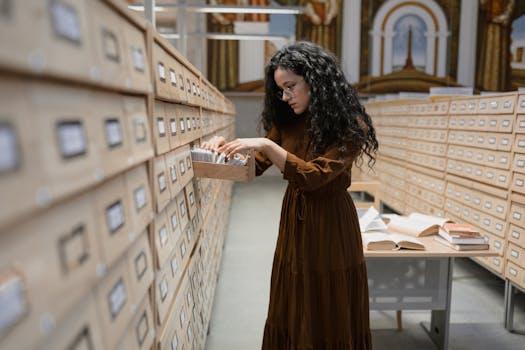
Imagine being a super detective, but instead of solving crimes, you solve mysteries from the past! A Religious Historian is like a time-traveller who studies old books, letters, and objects to understand how different religions have changed over hundreds or even thousands of years. They want to know what people believed, how they worshipped, and how their religions shaped their lives and the world around them. This job involves lots of reading, writing, and sometimes even visiting old places like churches, temples, or mosques to see things firsthand. They might work in a university, teaching students about history, or in a museum, helping to tell stories about ancient beliefs to visitors. Religious historians help us understand why people do what they do and why the world is the way it is today. They look at all sorts of religions, from the very biggest ones to smaller, older beliefs that people dont follow anymore. It is all about finding out 'why' and 'how' things happened in the past and sharing those amazing discoveries with others. They are very curious people who love learning and sharing their knowledge.

Religious Historian

Flag Media

Please select a reason for flagging this content.

📊 Statistics

Average Starting Salary

For someone just starting out in history related roles in the UK, like a museum assistant or research assistant, you might expect to earn around 20,000 to 25,000 pounds a year.

Experienced Salary

With more experience, especially if you become a university lecturer or a senior researcher, your salary could grow to between 35,000 and 55,000 pounds or even more for very senior positions in the UK.

Number of Jobs

While there aren't specific numbers just for 'Religious Historian' jobs, the broader category of 'historians and archaeologists' has about 8,000 people working in it across the UK. Many religious historians work in universities or museums.

🚀 Careers in this path

Flag Media

Please select a reason for flagging this content.

Archaeologist

Imagine being a history detective, but instead of books, you dig up old things like Roman coins or Viking jewellery! You learn about people who lived a very long time ago by carefully digging up the places they used to live, play, and work.

Flag Media

Please select a reason for flagging this content.

Curator at a Museum

If you love old stories and fascinating objects, you could work in a museum! A curator helps look after all the amazing historical things like ancient pots or old uniforms, and makes sure they are displayed so everyone can learn from them. They also know all the stories behind the objects.

Flag Media

Please select a reason for flagging this content.

Historian

A historian is like a super-smart storyteller who finds out all about the past! They read old books, letters, and look at pictures to learn what happened a long time ago. Then, they share these stories so we can all understand how the world became the way it is today.

Learning About History and Religions

Explore Different Beliefs

Start by learning about different religions and cultures from around the world. Find out what makes them special!

You can do this by reading books from the library about different religions like Christianity, Islam, Judaism, Hinduism, Buddhism, and many others. Watch documentaries or visit museums to see artefacts from various cultures and learn about their spiritual practices. Talking to people from different backgrounds can also be a wonderful way to understand their beliefs and traditions.

Become a Reading Champion

Read lots of history books, especially ones about ancient times or how people used to live and what they believed.

The more you read, the more you'll understand about the past. Look for books that tell stories about different civilisations, ancient empires, and how religions started and spread. Your school library or local library will have many exciting books to get you started on your journey through history.

Visit Historical Places

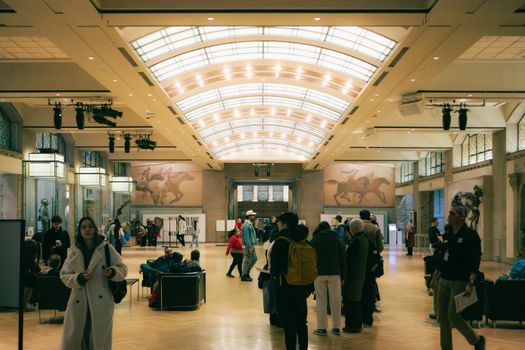
Go to museums, old churches, temples, or historical sites to see history up close and imagine what it was like.

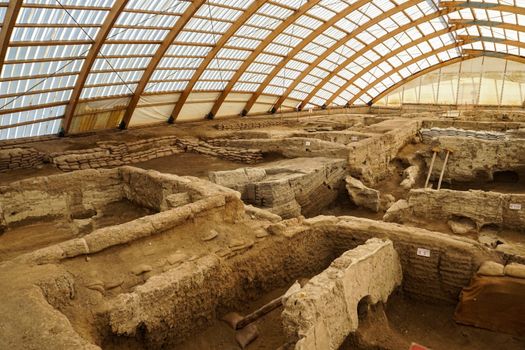
Visiting places like cathedrals, ancient ruins, or even local historical societies can bring history to life. You might see old religious objects, architecture, or documents that tell a story. Imagine the people who walked there long ago and what their lives and beliefs were like.

Growing Your Knowledge

Study History and Religious Studies at School

When you're older, choose subjects like History and Religious Studies at school to learn more deeply.

These subjects will teach you how to think like a historian – how to ask questions, look at evidence, and understand different points of view. You'll learn about major historical events, the development of various religions, and how they influenced societies and cultures throughout time. This foundational knowledge is crucial for becoming a Religious Historian.

Go to University

After school, you'll need to go to university to study History, Religious Studies, or Archaeology.

At university, you'll delve much deeper into these subjects, learning from experts who are themselves historians. You might specialise in a particular time period, a specific religion, or a certain part of the world. A degree in History or Religious Studies will provide you with the advanced research and critical thinking skills needed for this career.

Learn Ancient Languages

Sometimes, historians learn old languages like Latin or Ancient Greek to read really old books and writings.

Many important historical and religious texts were written in languages that are no longer spoken today, like Latin, Ancient Greek, Hebrew, or Old Egyptian. Learning these languages can open up a whole new world of original sources, allowing you to read documents exactly as they were written thousands of years ago, which is incredibly valuable for research.

Becoming a Religious Historian

Do More Studying (a PhD)

To become a proper expert, many Religious Historians do even more studying after university, called a PhD.

A PhD is like writing a very big, detailed book about a new historical discovery or a new way of looking at something old. It involves years of dedicated research, original thinking, and writing a long dissertation that adds new knowledge to the field of history. This is often required for jobs in universities or major research institutions.

Research and Write

You'll spend your time researching, which means finding out new things, and then writing books or articles about them.

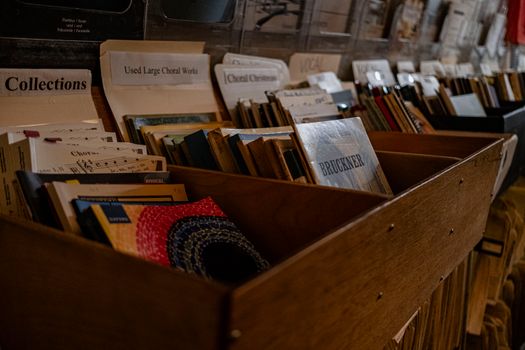
Religious Historians spend a lot of time in libraries, archives, or even at archaeological sites, uncovering facts and piecing together stories from the past. They analyse old documents, artefacts, and other sources. Then, they write down what they've learned in scholarly articles, books, or even create documentaries to share their discoveries with others.

Teach and Share

Many Religious Historians teach at universities, helping students learn about the exciting world of history and religion.

As a university lecturer or professor, you would not only continue your own research but also inspire the next generation of historians. You would teach classes, give lectures, and guide students in their own historical explorations, sharing your passion and expertise for religious history with them.

🎬 Useful Videos

🎯 View Apprenticeships

Explore relevant apprenticeships that can help you kickstart your career in Religious Historian. Apprenticeships offer hands-on experience and training while earning a wage.

Career Progressions

No career progressions found for Religious Historian

Sample Qualifications

A Religious Historian primarily focuses on academic study and research of religious history, texts, and practices, rather than leading a congregation or performing ceremonial duties. 'Religious leader' implies a pastoral or authoritative role within a faith community, which does not align with the academic research nature of a Religious Historian.

How to become

You can get into this job through:

  • a university course
  • an apprenticeship
  • applying directly

University

You may need a degree or postgraduate award for some leadership positions. Most subjects are accepted though theology and philosophy may be particularly useful.

Entry requirements

You'll usually need:

  • 2 to 3 A levels, or equivalent, for a degree
  • a degree in any subject for a postgraduate course

More Information

Apprenticeship

You could apply to do Church Minister Level 6 Degree Apprenticeship, if you want to train to be a religious leader within the Christian tradition.

This typically takes around 3 years and you will complete a degree in theology and ministry as part of the apprenticeship.

Entry requirements

Employers will set their own entry requirements.

More Information

Direct Application

The process of becoming a religious leader can take several years, and is often based on your knowledge, experience and position within the religion.

Each religion has a different way of training its leaders, so the training and the length of time it takes will vary. 

For many religions the process might include:

  • study at a college or religious training centre
  • intensive study of your faith's teachings and writings
  • time alone in contemplation or meditation
  • experience of working with people in the community
  • mentoring and supervision from an experienced leader of your religion

In some religions, there are rules on who can become a leader and what duties they can carry out.

If you want to train to become a leader in your faith, the first thing you should do is ask your own religious leader for advice and guidance.

More Information

Career tips

Becoming a religious leader is a serious commitment that can be seen as a calling as much as a career.

As well as a strong belief in your faith and its traditions, you should accept that the work will affect all aspects of your life.

Interested in More Career Paths?

Explore other careers or use our AI to discover personalised paths based on your interests.

Stay connected

Join our newsletter to stay up to date on features and releases

Address
Developing Experts Limited
Exchange Street Buildings
35-37 Exchange Street
Norwich
NR2 1DP
UK

Phone
01603 273515

Email
[email protected]

Copyright 2026 Developing Experts, All rights reserved.