


Creating Career Path...

Finding Further Careers...

Heritage Officer

View this career for different education levels:

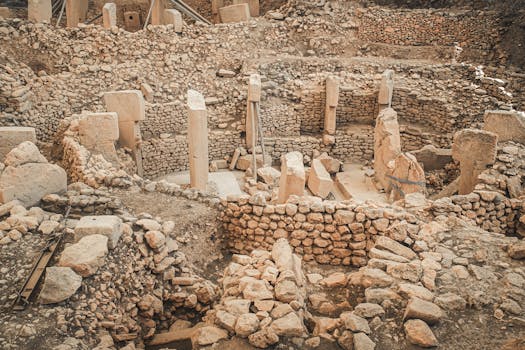
A Heritage Officer in the UK plays a crucial role in protecting, preserving, and promoting the nation's rich cultural and historical assets. This diverse career involves working with historic buildings, archaeological sites, landscapes, and collections, ensuring their significance is understood and safeguarded for future generations. Daily tasks can be varied, including conducting research, advising on conservation projects, assessing planning applications for their impact on heritage sites, developing educational programmes, and engaging with local communities. You might find yourself drafting policy documents, applying for grants, or collaborating with architects, planners, and volunteers to maintain the integrity of a listed building or an ancient monument. The role demands a blend of academic knowledge, practical skills, and strong communication abilities to advocate for heritage. Working as a Heritage Officer often means being a steward of history, interpreting its meaning and making it accessible to the public. It can involve fieldwork, such as site inspections or archaeological surveys, as well as office-based work like report writing and strategic planning. You'll typically work for local authorities, national heritage bodies, charities, or museums. A deep understanding of UK heritage legislation and planning policies is essential, alongside a passion for history and culture. The career offers immense satisfaction for those who want to contribute directly to the preservation of Britain's unique identity and ensure its stories continue to be told.

Heritage Officer

Flag Media

Please select a reason for flagging this content.

📊 Statistics

Typical Salary Range

Starting salaries for Heritage Officers in the UK typically range from 20,000 to 28,000 pounds per year. With experience, this can increase to 30,000 to 45,000 pounds, and senior roles can command upwards of 50,000 pounds annually.

Number of Organisations

There are over 3,000 heritage organisations in the UK, including major national bodies like the National Trust, English Heritage, Historic Environment Scotland, Cadw, and numerous smaller local trusts, museums, and archives, all of which may employ Heritage Officers.

Job Market Growth

The heritage sector in the UK is generally stable, with a consistent demand for skilled professionals. While not a rapidly expanding sector, opportunities arise through retirements, new project funding, and a continued public interest in preserving cultural assets. Competition for entry-level roles can be high due to the passion many have for the field.

🚀 Careers in this path

Flag Media

Please select a reason for flagging this content.

Historic Buildings Inspector

Assess and report on the architectural and historical significance of buildings, providing advice on their conservation, alteration, and development within planning regulations. You'd work for organisations like Historic England or local councils.

Flag Media

Please select a reason for flagging this content.

Collections Manager for a Museum or Archive

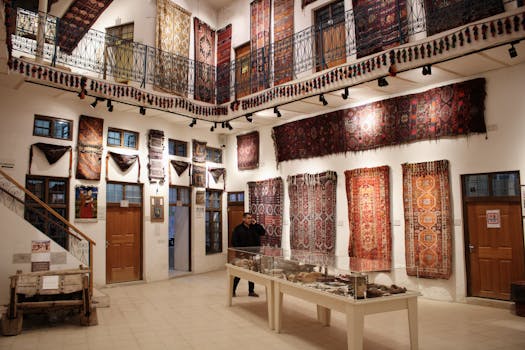
Responsible for the care, preservation, documentation, and accessibility of museum or archive collections. This involves practical conservation work, database management, and preparing items for display or research.

Flag Media

Please select a reason for flagging this content.

Community Heritage Officer

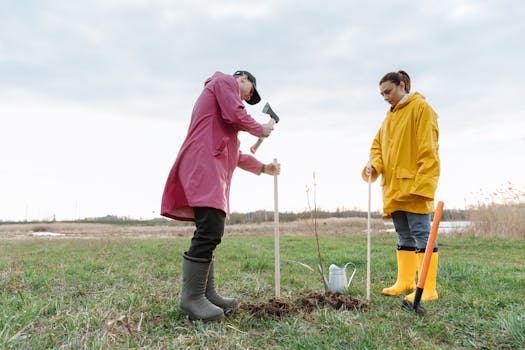
Engage with local communities to develop and deliver heritage projects, often focusing on oral histories, local archaeology, or specific historical sites. This role often involves grant writing, event planning, and volunteer coordination.

Build Your Foundation

Academic Qualifications

Secure a relevant undergraduate degree to provide you with foundational knowledge.

Most Heritage Officer roles require a degree in a relevant field such as Archaeology, History, Art History, Conservation, Heritage Studies, or Museum Studies. Look for programmes that offer modules in heritage management, conservation principles, and historical research methods. Aim for a strong academic record, as this will strengthen your applications for postgraduate studies or entry-level roles.

Gain Relevant Experience

Volunteer or intern to get practical experience within heritage organisations.

Gaining practical experience is invaluable. Look for volunteer opportunities or internships with local councils heritage departments, National Trust, English Heritage, museums, archives, or archaeological units. This experience will help you understand the day-to-day work, network with professionals, and identify your specific areas of interest within heritage. Even short placements can make a significant difference to your CV.

Specialise with Postgraduate Study

Consider a Masters degree to specialise and enhance your expertise.

Many Heritage Officer positions, particularly those involving more technical or senior roles, benefit from or require a Master's degree. Programmes like MA/MSc in Conservation, Heritage Management, Historic Building Conservation, or Urban Conservation will deepen your knowledge and provide specialist skills. This is also an excellent opportunity to conduct research that aligns with your career aspirations and build a network of academic and professional contacts.

Develop Practical Skills

Master Research Techniques

Learn to conduct thorough historical and archaeological research.

As a Heritage Officer, you'll often need to research historical records, maps, and archaeological reports to inform decisions about heritage sites. Develop strong research skills, including archival research, documentary analysis, and understanding archaeological methodologies. Being proficient in interpreting complex information and presenting findings clearly is crucial for writing reports and making recommendations.

Understand Planning Legislation

Familiarise yourself with planning law and conservation policies.

A significant part of a Heritage Officer's role involves advising on planning applications and ensuring compliance with heritage legislation. Gain a solid understanding of UK planning policy, especially the National Planning Policy Framework (NPPF), listed building consent, conservation area designations, and relevant acts like the Planning (Listed Buildings and Conservation Areas) Act 1990. Knowledge of these frameworks is essential for effective decision-making and consultation.

Enhance Communication & Engagement

Develop strong communication, presentation, and engagement skills.

Heritage Officers work with a wide range of stakeholders, including local communities, developers, architects, and government bodies. Excellent communication skills are vital for explaining complex heritage issues, negotiating solutions, giving presentations, and writing accessible reports. Public engagement skills are also key for promoting heritage and involving communities in conservation efforts. Consider joining a public speaking group or taking courses in public engagement.

Advance Your Career

Professional Membership

Join professional bodies to access resources and networking opportunities.

Becoming a member of professional organisations like The Institute of Historic Building Conservation (IHBC), Chartered Institute for Archaeologists (CIfA), or the Museums Association offers numerous benefits. These memberships provide access to continuous professional development (CPD), industry news, networking events, and often demonstrate your commitment and credibility to potential employers. Some bodies offer accreditation routes that can further enhance your professional standing.

Continuous Professional Development

Keep learning and updating your skills through courses and workshops.

The heritage sector is constantly evolving with new research, technologies, and conservation techniques. Commit to continuous professional development (CPD) by attending workshops, seminars, and training courses in areas like digital heritage, project management, specific conservation techniques, or new planning policies. This ongoing learning will ensure your skills remain relevant and open doors to more specialised roles.

Networking and Mentorship

Build a strong professional network and seek out mentors.

Networking is crucial in the heritage sector. Attend conferences, seminars, and industry events to meet professionals, share insights, and learn about new opportunities. Seek out experienced Heritage Officers who can act as mentors; their guidance can be invaluable for navigating your career path, gaining insights, and potentially opening doors to new roles. Strong connections can significantly aid your career progression.

🎬 Useful Videos

🎯 View Apprenticeships

Explore relevant apprenticeships that can help you kickstart your career in Heritage Officer. Apprenticeships offer hands-on experience and training while earning a wage.

Career Progressions

This page showcases various career options and the pathways to reach them. Each career listed here shares transferable skills and knowledge, making it easier for individuals to transition between them.

Your current career is highlighted to help you see how it fits into the broader landscape of potential career choices. By clicking on any career, you can learn more about it, including the training and education required to pursue it.

Remember, progressing in your career often involves further learning and training. This page provides insights into future career options as well as those that can lead up to your current one.

These career progression decisions are informed by comparing the skills and knowledge needed for different occupations, along with data on how people move between them. Explore the possibilities and discover the exciting journey ahead in your career!

Sample Qualifications

The user's input 'Heritage Officer' directly matches one of the provided official job titles. Both terms refer to a professional involved in the preservation and promotion of historical and cultural heritage.

How to become

You can get into this job through:

  • a university course
  • an apprenticeship
  • applying directly

University

There are lots of subjects that can be useful for a career in heritage. 

Examples include:

  • history
  • geography
  • cultural heritage studies
  • building conservation
  • architecture
  • archaeology

A postgraduate qualification can give you an advantage when you're looking for jobs. 

Courses include:

  • heritage management
  • historic conservation
  • cultural heritage management

It's important to look for internships and work experience opportunities while you study. Many people get into paid roles through volunteering or work placements.

Entry requirements

You'll usually need:

  • 2 to 3 A levels, or equivalent, for a degree
  • a degree in a relevant subject for postgraduate study

More Information

Apprenticeship

You can apply to do a Historic Environment Advice Assistant Level 4 Higher Apprenticeship, with an organisation.

You might also be able to do a Level 7 Apprenticeship (non-degree qualification), depending on your experience. 

These include:

  • Cultural Heritage Conservator
  • Archivist and Records Manager
  • Historic Environment Adviser

National parks, heritage organisations, local authorities, and archaeological and conservation companies are useful places to check for potential apprenticeship vacancies.

Entry requirements

Employers will set their own entry requirements.

More Information

Volunteering

Work experience and volunteering are really important for getting into this type of work. You can look for opportunities with organisations like:

You could also try your local council, as they may be responsible for a number of historic buildings and sites in your area.

You can search for private companies in the heritage sector through the Historic Environment Provider Service Recognition scheme.

Some organisations have internship programmes to encourage people from under-represented groups to think about a career in heritage. For example, Historic England's Emerging Talent Placements Programme.

Direct Application

You may be able to apply directly if you've got several years' experience in a related industry like:

  • civil engineering or surveying
  • construction project management
  • planning or conservation
  • archaeology

More Information

Professional and industry bodies

You could join the Association for Heritage Interpretation or the Institute of Historic Building Conservation for professional development and to build up a network of contacts.

Interested in More Career Paths?

Explore other careers or use our AI to discover personalised paths based on your interests.

Stay connected

Join our newsletter to stay up to date on features and releases

Address
Developing Experts Limited
Exchange Street Buildings
35-37 Exchange Street
Norwich
NR2 1DP
UK

Phone
01603 273515

Email
[email protected]

Copyright 2026 Developing Experts, All rights reserved.
