



Creating Career Path...

Finding Further Careers...

Heritage Officer

View this career for different education levels:

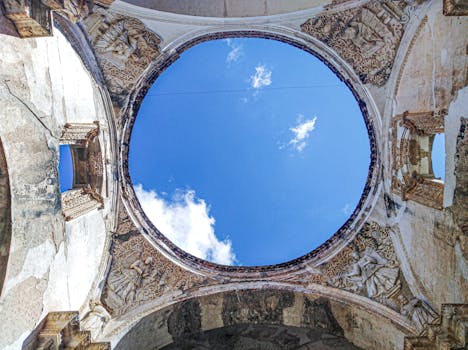
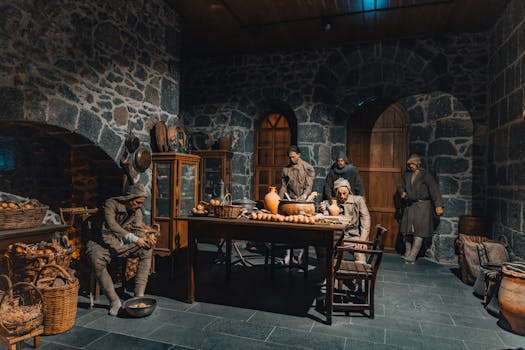
Imagine a detective, but for old buildings, ancient artefacts, and important stories from the past! That's a bit like what a Heritage Officer does. They are like special guardians for places, objects, and traditions that are important to the UK's history and culture. Their job is to help protect these amazing things so that people today and in the future can enjoy and learn from them. A Heritage Officer might visit old castles, museums, beautiful gardens, or even places where important events happened. They help make sure these places are looked after, repaired properly, and that visitors can understand their stories. They might also help organise exhibitions, give talks, or work with local communities to keep traditions alive. It's a job where you get to learn new things every day and help make history exciting for everyone!

Heritage Officer

Flag Media

Please select a reason for flagging this content.

📊 Statistics

Average Starting Salary

A Heritage Officer just starting out might earn around 20,000 to 25,000 pounds a year. That's a good amount to begin with.

Experienced Salary

With more experience, a Heritage Officer can earn between 30,000 and 40,000 pounds a year, and sometimes even more if they become managers.

Number of Organisations

There are many places in the UK that need Heritage Officers. Organisations like the National Trust, English Heritage, and local councils look after thousands of historical sites and museums.

🚀 Careers in this path

Flag Media

Please select a reason for flagging this content.

Museum Curator for Kids

Imagine you help look after all the amazing old things in a museum, but especially the ones that are interesting for children. You might help decide which old toys or dinosaur bones to put on display and tell stories about them so kids can learn and have fun.

Flag Media

Please select a reason for flagging this content.

Historic Buildings Explorer

Your job would be to visit really old castles, grand houses, or ancient ruins and learn all their secrets. You'd help make sure they stay safe and strong for many, many years, maybe even finding hidden rooms or forgotten stories about the people who used to live there.

Flag Media

Please select a reason for flagging this content.

Community Storyteller of the Past

You would meet people in your local town or village and ask them about the oldest things they remember or stories their grandparents told them. Then, you'd help share these special stories and photos with everyone, perhaps by putting on a small exhibition or making a fun book about your town's history.

Learning About History

Explore Local History

Start by looking at the old things and places in your own town or city. What's the oldest building? Who used to live there? Ask your parents or teachers to tell you stories about your local area's past.

Many towns and villages in the UK have a local history museum or a special plaque on old buildings that tell you about their past. You can also look up your town on the internet to find out interesting facts. Going on a 'history walk' with an adult can be a fun way to discover things.

Read History Books

Dive into exciting books about different times in history, like the Romans, Vikings, or even kings and queens of England. Libraries are full of amazing stories and facts waiting for you to discover.

Your school library or local public library will have a children's section with lots of books about history. Look for books with colourful pictures and easy-to-understand stories. There are also great websites and magazines for kids that talk about historical events and people.

Visit Historic Places

Go on trips to castles, old houses, museums, and ancient ruins. Seeing these places for real helps you imagine what life was like long ago and understand why they are so important.

The UK has many wonderful historic places managed by organisations like the National Trust or English Heritage. Visiting these sites, you can often see how people lived, what tools they used, and even dress up in old clothes! Many places have special activities for children.

Getting Ready for Big School

Pay Attention in History Lessons

When you're at school, listen carefully during history lessons. Ask questions if you don't understand something and try to remember all the cool facts you learn.

History lessons at primary school will give you a good foundation. As you get older and go to secondary school, history will become a separate subject. Doing well in these lessons is very important for a future in heritage. Your teachers can also suggest extra resources if you're really keen.

Join a History Club

If your school or local area has a history club, ask to join! It's a great way to meet other kids who love history and do fun activities together, like making models of castles or learning about old crafts.

History clubs often have special projects or outings that go beyond what you learn in regular lessons. It's a chance to explore different historical periods or specific types of heritage, like local industrial history or Roman remains. Check with your teachers or local community centres.

Learn About Different Cultures

History isn't just about the UK! Find out about the past of other countries and cultures. Understanding different ways of life helps you appreciate the rich variety of heritage around the world.

Reading books, watching documentaries, or even trying foods from other countries can help you learn about their history and traditions. This broadens your understanding of what 'heritage' truly means and how different societies have preserved their past. Museums often have exhibits about world cultures too.

Future Steps for Grown-Ups

Study History at University

When you're older, you'll need to go to university to study history, archaeology, or a subject called 'heritage conservation'. These courses teach you all about how to look after old things properly.

To become a Heritage Officer, most people study a degree related to history, archaeology, conservation, or heritage management at university. These degrees provide you with the deep knowledge and specialist skills needed to understand, protect, and manage historic sites and collections. You'll learn about different historical periods, conservation science, and heritage law.

Gain Experience Through Volunteering

Helping out at a museum, historic site, or local heritage group, even when you're older, will give you important experience. You'll learn from experts and see what the job is really like.

Volunteering is a fantastic way to get practical experience and make connections in the heritage sector. You could help with guided tours, assist with archaeological digs, work on conservation projects, or help catalogue museum collections. Organisations like the National Trust, English Heritage, and local museums often welcome volunteers. This experience looks great on your CV when you apply for jobs.

Consider Specialist Skills

Sometimes, Heritage Officers also need special skills like knowing how to draw old buildings, taking special photos, or even how to carefully dig up ancient objects.

Depending on the specific type of Heritage Officer role, additional skills can be very beneficial. For example, some roles might require knowledge of architectural history, surveying techniques, photography for documenting sites, or even basic archaeological fieldwork skills. Learning about these specialist areas, perhaps through short courses or further study, can make you a more versatile candidate.

🎬 Useful Videos

🎯 View Apprenticeships

Explore relevant apprenticeships that can help you kickstart your career in Heritage Officer. Apprenticeships offer hands-on experience and training while earning a wage.

Career Progressions

This page showcases various career options and the pathways to reach them. Each career listed here shares transferable skills and knowledge, making it easier for individuals to transition between them.

Your current career is highlighted to help you see how it fits into the broader landscape of potential career choices. By clicking on any career, you can learn more about it, including the training and education required to pursue it.

Remember, progressing in your career often involves further learning and training. This page provides insights into future career options as well as those that can lead up to your current one.

These career progression decisions are informed by comparing the skills and knowledge needed for different occupations, along with data on how people move between them. Explore the possibilities and discover the exciting journey ahead in your career!

Sample Qualifications

The user's input 'Heritage Officer' is an exact match for the official job title provided in the list. This role typically involves the protection, promotion, and management of cultural and natural heritage.

How to become

You can get into this job through:

  • a university course
  • an apprenticeship
  • applying directly

University

There are lots of subjects that can be useful for a career in heritage. 

Examples include:

  • history
  • geography
  • cultural heritage studies
  • building conservation
  • architecture
  • archaeology

A postgraduate qualification can give you an advantage when you're looking for jobs. 

Courses include:

  • heritage management
  • historic conservation
  • cultural heritage management

It's important to look for internships and work experience opportunities while you study. Many people get into paid roles through volunteering or work placements.

Entry requirements

You'll usually need:

  • 2 to 3 A levels, or equivalent, for a degree
  • a degree in a relevant subject for postgraduate study

More Information

Apprenticeship

You can apply to do a Historic Environment Advice Assistant Level 4 Higher Apprenticeship, with an organisation.

You might also be able to do a Level 7 Apprenticeship (non-degree qualification), depending on your experience. 

These include:

  • Cultural Heritage Conservator
  • Archivist and Records Manager
  • Historic Environment Adviser

National parks, heritage organisations, local authorities, and archaeological and conservation companies are useful places to check for potential apprenticeship vacancies.

Entry requirements

Employers will set their own entry requirements.

More Information

Volunteering

Work experience and volunteering are really important for getting into this type of work. You can look for opportunities with organisations like:

You could also try your local council, as they may be responsible for a number of historic buildings and sites in your area.

You can search for private companies in the heritage sector through the Historic Environment Provider Service Recognition scheme.

Some organisations have internship programmes to encourage people from under-represented groups to think about a career in heritage. For example, Historic England's Emerging Talent Placements Programme.

Direct Application

You may be able to apply directly if you've got several years' experience in a related industry like:

  • civil engineering or surveying
  • construction project management
  • planning or conservation
  • archaeology

More Information

Professional and industry bodies

You could join the Association for Heritage Interpretation or the Institute of Historic Building Conservation for professional development and to build up a network of contacts.

Interested in More Career Paths?

Explore other careers or use our AI to discover personalised paths based on your interests.

Stay connected

Join our newsletter to stay up to date on features and releases

Address
Developing Experts Limited
Exchange Street Buildings
35-37 Exchange Street
Norwich
NR2 1DP
UK

Phone
01603 273515

Email
[email protected]

Copyright 2026 Developing Experts, All rights reserved.
