




Creating Career Path...

Finding Further Careers...

Humanitarian Worker

View this career for different education levels:

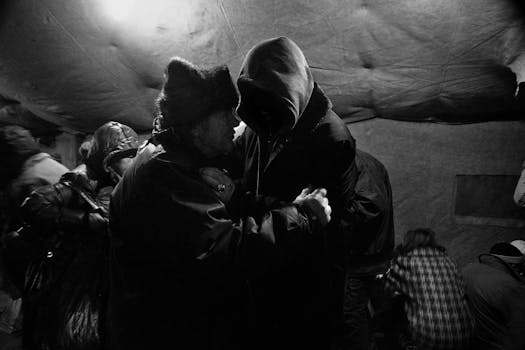
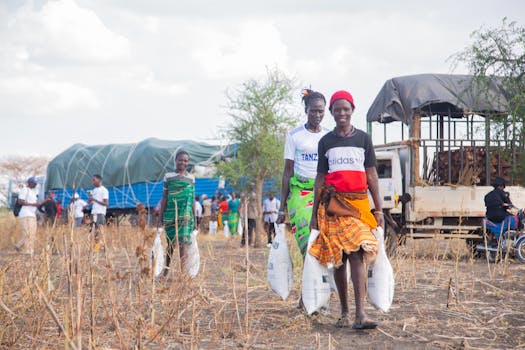
A Humanitarian Worker is someone who helps people in crisis situations around the world. Imagine a country hit by a natural disaster like an earthquake, or a place where people have had to leave their homes because of conflict. Humanitarian workers are often on the front lines, providing urgent help such as food, clean water, shelter, and medical care. They might also work on longer-term projects, helping communities rebuild after a disaster, teaching people new skills, or ensuring children can go to school. This job involves a lot of problem-solving, teamwork, and being able to adapt to difficult and fast-changing situations. You could be working with a big international charity, a government agency, or a smaller local organisation. While some roles might be based in the UK, many involve travelling to different countries, sometimes to remote or challenging areas. It's a career that requires a lot of dedication, compassion, and a strong desire to make a real difference in people's lives.

Humanitarian Worker

Flag Media

Please select a reason for flagging this content.

📊 Statistics

Starting Salary

For entry-level roles in the UK or with UK charities abroad, salaries can start from around 20,000 to 25,000 pounds per year, though this can vary a lot depending on the organisation and location.

Experienced Salary

More experienced humanitarian workers, especially those in management or specialist roles, can earn between 35,000 and 60,000 pounds per year, with some senior international roles potentially higher.

Number of Organisations

The UK is home to thousands of registered charities, many of which are involved in humanitarian work, both at home and abroad. There are several large, well-known organisations as well as many smaller, specialised ones providing numerous opportunities.

🚀 Careers in this path

Flag Media

Please select a reason for flagging this content.

Disaster Response Volunteer

Imagine helping people when big problems happen, like floods or earthquakes. You could help give out food, blankets, or even help people find their families, working with charities like the Red Cross.

Flag Media

Please select a reason for flagging this content.

Charity Fundraiser

This is about helping charities get the money they need to do their important work. You could organise fun events, like bake sales or sponsored walks, to raise money and tell people about the causes you care about.

Flag Media

Please select a reason for flagging this content.

Community Support Worker

You would help people in your local area who need a bit of extra help, like older people, or families with young children. This could involve organising activities, visiting people, or just being a friendly face and listening ear.

Build a Strong Foundation

Focus on your School Subjects

While you're at school, try your best in subjects like English, Maths, Science, Geography, History, and languages. These will build a good base for future studies and understanding the world.

Understanding different cultures and global issues is key for humanitarian work. Geography helps you learn about different places and their challenges, while history gives you context for conflicts and social issues. Strong English skills are essential for communication and report writing, and maths can be useful for budgeting or data analysis. Learning another language like French, Spanish, or Arabic would be a huge advantage as many humanitarian operations happen in non-English speaking countries.

Get Involved in Your Community

Look for opportunities to help out in your local area, like volunteering at a charity shop, helping at a food bank, or joining school clubs that do good deeds. This shows you care about helping others.

Volunteering helps you develop important skills like teamwork, communication, problem-solving, and empathy. Even small actions like helping younger students, participating in school fundraisers for good causes, or joining a local environmental group can demonstrate your commitment to making a positive impact. These experiences will be valuable later on for applications to college or university, and they help you understand different social issues.

Learn About Global Issues

Read books, watch documentaries, and follow news about what's happening in the world, especially focusing on poverty, conflict, and natural disasters. This will help you understand why humanitarian work is needed.

Staying informed about current events and global challenges will deepen your understanding of the complex situations humanitarian workers face. Explore topics like climate change, global health issues, human rights, and the causes of conflict. Websites like the BBC News, UNICEF, Oxfam, or the Red Cross often have information that's accessible and explains these topics. The more you learn, the better you'll understand the purpose and impact of humanitarian aid.

Develop Key Skills and Knowledge

Consider Further Education

After school, think about going to university to study subjects like International Relations, Development Studies, Public Health, Logistics, or even a technical skill like engineering or IT. These degrees are highly valued in humanitarian organisations.

Many humanitarian organisations look for graduates with specific skills and knowledge. A degree in International Relations or Development Studies can give you a broad understanding of global challenges and aid principles. A Public Health degree might lead to roles in health promotion or disease prevention in crisis zones. Practical degrees like Engineering (for building infrastructure) or Logistics (for getting supplies where they're needed) are also incredibly useful. Research different university courses and see which ones match your interests and the types of roles you find appealing.

Gain Practical Experience

Look for internships or more serious volunteer roles with charities or non-profit organisations, either in the UK or abroad if possible. This hands-on experience is super important for getting your first job.

Even if your first volunteering roles aren't directly overseas, gaining experience with UK-based charities that work on social issues, fundraising, or community support will teach you valuable skills. Look for organisations like Oxfam, Save the Children, Christian Aid, or smaller local groups. Internships, even unpaid ones, can provide vital insight into how these organisations operate and help you build a network of contacts. This practical experience is often more important than just academic qualifications when applying for entry-level humanitarian roles.

Learn a Second Language

Being able to speak another language, like French, Spanish, Arabic, or Swahili, can open up many more opportunities for working in different parts of the world. It shows you can connect with more people.

In many regions where humanitarian aid is needed, English is not the primary language. French is widely spoken in West Africa, Spanish in parts of Latin America, and Arabic in the Middle East and North Africa. Learning a second language not only makes you more employable but also helps you build trust and communicate more effectively with local communities and colleagues from diverse backgrounds. Consider taking language courses or even spending time in a country where your chosen language is spoken to immerse yourself.

Launch Your Career

Apply for Entry-Level Roles

Once you have your qualifications and some experience, start looking for entry-level positions with humanitarian organisations. These might be in fundraising, administration, or programme support.

Your first job in humanitarian aid might not be directly in the field. Many organisations offer roles in their UK offices that support overseas programmes, such as fundraising, communications, or administrative support. These roles are an excellent way to get your foot in the door, learn how the organisation works, and understand the bigger picture before potentially moving into field-based positions. Look for 'Junior Programme Officer', 'Project Assistant', or 'Volunteer Coordinator' roles. Tailor your CV and cover letter to highlight your relevant skills and passion for the cause.

Be Flexible and Adaptable

Humanitarian work can take you to many different places and situations. Being open-minded, ready for challenges, and willing to learn new things are very important qualities.

Working as a humanitarian means being prepared for unexpected situations, sometimes in difficult or remote environments. You might need to live in basic conditions, work long hours, and adapt to different cultures and ways of working. Being resilient, a good problem-solver, and having a positive attitude will help you navigate these challenges. Organisations value individuals who can remain calm under pressure and are committed to finding solutions in dynamic environments. Embrace every experience as a learning opportunity.

Network and Seek Mentorship

Connect with people already working in the humanitarian sector. Go to relevant events, join online groups, and don't be afraid to ask for advice. A mentor can guide you and open doors.

Networking is crucial in any career, but especially in a specialised field like humanitarian aid. Attend webinars, conferences, or career fairs focused on international development or humanitarian work. Use professional platforms like LinkedIn to connect with people in the field and learn about their career journeys. Don't be shy about reaching out for informational interviews – a short chat to learn about their job. A mentor can offer invaluable insights, advice, and potentially introduce you to opportunities you might not find otherwise.

🎬 Useful Videos

🎯 View Apprenticeships

Explore relevant apprenticeships that can help you kickstart your career in Humanitarian Worker. Apprenticeships offer hands-on experience and training while earning a wage.

Career Progressions

This page showcases various career options and the pathways to reach them. Each career listed here shares transferable skills and knowledge, making it easier for individuals to transition between them.

Your current career is highlighted to help you see how it fits into the broader landscape of potential career choices. By clicking on any career, you can learn more about it, including the training and education required to pursue it.

Remember, progressing in your career often involves further learning and training. This page provides insights into future career options as well as those that can lead up to your current one.

These career progression decisions are informed by comparing the skills and knowledge needed for different occupations, along with data on how people move between them. Explore the possibilities and discover the exciting journey ahead in your career!

Sample Qualifications

A Humanitarian Worker's primary role is to provide assistance and support to people affected by crises, which directly aligns with the duties and qualifications of an Aid worker.

How to become

You can get into this job through:

  • a university course
  • volunteering
  • working towards this role

University

You can do a degree that will give you specialist skills, which will be useful in humanitarian work, for example:

  • medicine or healthcare
  • education
  • languages
  • engineering

You could take a subject that will give you a wider understanding of global issues, like:

  • economics
  • international development
  • law
  • social policy
  • environmental science

After completing a degree, you can study for a postgraduate course in:

  • international development
  • humanitarian aid
  • disaster management

It's important to get relevant work experience through volunteering, internships or year abroad opportunities.

Your university careers service can help you find suitable vacancies like those offered by organisations including:

Entry requirements

You'll usually need:

  • 3 A levels or equivalent
  • a degree in any subject for a postgraduate course

More Information

Volunteering

To get a paid job as an aid worker you'll need experience, so most people start out as an unpaid volunteer.

You can begin by volunteering for a charity in the UK. You can also get involved with charities while at school, college and university, through student groups and societies. Most jobs involve office-based work at first but can lead to a wide range of opportunities.

You can find UK volunteering vacancies on Do IT, or by going directly to the websites of charities and non-governmental organisations (NGOs). Some experience of living and working overseas may be helpful.

You can also apply for internships with charities and NGOs while you're at university. Entrance to these is very competitive.

Direct Application

You can apply directly for jobs if you're an experienced professional. As well as professions like nursing, healthcare, teaching and engineering, you'll find organisations often look for experience in administration, project management and logistics.

Aid organisations like RedR UK run courses for experienced professionals, who want to put their skills to use in humanitarian aid work.

More Information

Career tips

Follow aid organisations that interest you on social media to find out about opportunities. Think about small organisations, as well as the bigger, more well known ones.

You could also develop useful skills, like languages, first aid or driving. Local people are now most likely to be recruited to do the frontline jobs during emergencies, so having specialist skills or knowledge they may not yet have, will give you an advantage.

You'll need to be willing to work long hours in challenging and often dangerous situations. You'll also need to show flexibility as well as being sensitive and culturally aware.

Professional and industry bodies

You may find it helpful to join an organisation like the International Association of Professionals in Humanitarian Assistance and Protection for training and development opportunities.

Further information

You can learn more about working in international aid from:

Interested in More Career Paths?

Explore other careers or use our AI to discover personalised paths based on your interests.

Stay connected

Join our newsletter to stay up to date on features and releases

Address
Developing Experts Limited
Exchange Street Buildings
35-37 Exchange Street
Norwich
NR2 1DP
UK

Phone
01603 273515

Email
[email protected]

Copyright 2026 Developing Experts, All rights reserved.
