



Creating Career Path...

Finding Further Careers...

Humanitarian Worker

View this career for different education levels:

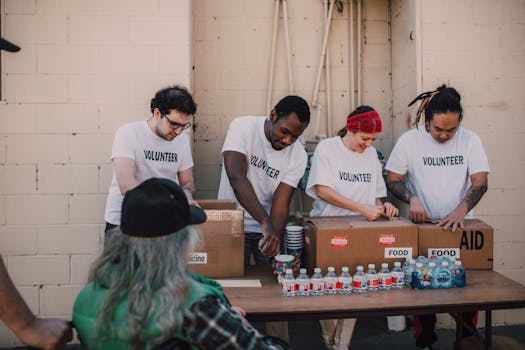
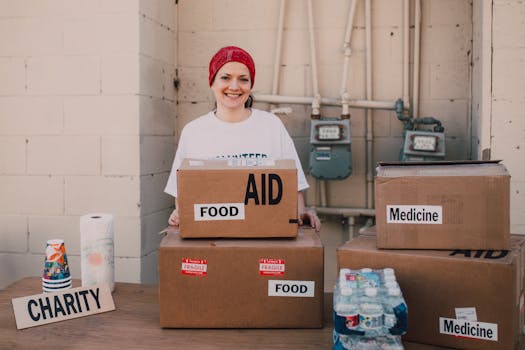
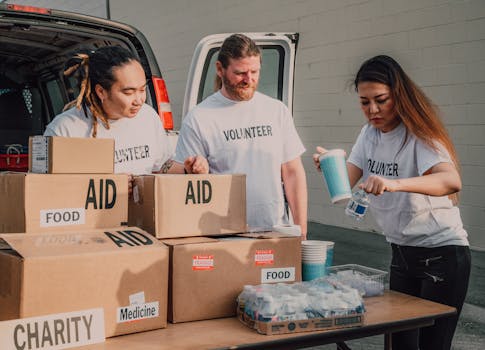
Imagine a superhero, but instead of flying, they travel all over the world to help people who are having a really tough time. That's a bit like what a humanitarian worker does! These special people help others when there are big problems, like after a flood, an earthquake, or if people have had to leave their homes because it's not safe. They might help make sure families have clean water to drink, yummy food to eat, a safe place to sleep, or even help children go back to school. They work with different groups of people, sometimes in very far-away countries, to make sure everyone gets the help they need to be safe and healthy again. It's a job all about caring for others and making the world a better, kinder place, one person at a time.

Humanitarian Worker

Flag Media

Please select a reason for flagging this content.

📊 Statistics

Starting Salary

New humanitarian workers in the UK might start with a salary around 20,000 to 25,000 pounds per year, especially if they are working for a smaller charity or in an entry-level role.

Experienced Salary

Experienced humanitarian workers or those in management roles can earn between 35,000 to 50,000 pounds per year, and sometimes even more if they are in very senior positions or working in challenging environments.

Number of Organisations

There are many hundreds of charities and non-profit organisations in the UK that do humanitarian work, from very big ones like Oxfam and Save the Children to much smaller local groups, meaning lots of different places to help.

🚀 Careers in this path

Flag Media

Please select a reason for flagging this content.

Helping Hands Volunteer

Imagine you are part of a special team that helps people in faraway places who might need food, water, or a warm blanket. You could help pack important things or even draw pictures to cheer people up!

Flag Media

Please select a reason for flagging this content.

Kindness Crew Member

Think of yourself as a super helper in your own town! You could help collect toys for other children, assist grown-ups at a local food bank, or even make cards to say thank you to important people like doctors and nurses.

Flag Media

Please select a reason for flagging this content.

Community Champion

You're like a superhero who makes your local area a better place! You could help organise a fun day to raise money for a good cause, pick up litter to keep your park tidy, or help plant flowers to make your neighbourhood look beautiful.

Learning and Growing

Do Well at School

Pay attention in your classes, especially in subjects like English, Maths, Science, and Geography. Learning about different places and people will be very helpful.

Understanding how the world works, why people live in different ways, and what challenges they face is really important for a humanitarian worker. Learning about different cultures and countries will help you to be more understanding and helpful later on. Try your best in all your subjects and ask questions if you don't understand something.

Learn Another Language

Try to learn a new language, like French, Spanish, or Arabic. This will help you talk to more people around the world.

Being able to speak another language is a superpower for a humanitarian worker! It means you can talk directly to people who need help, understand their stories, and make them feel more comfortable. Even knowing a few words can make a big difference. You can try free apps or ask your parents if you can take classes.

Join Clubs and Groups

Join school clubs or groups that help others, like a charity club or a school council. This helps you learn to work with people.

Working with other people to solve problems or help your community is a great way to practice being a humanitarian worker. These clubs teach you about teamwork, how to plan things, and how to be a good leader. You can also learn about different charities and how they help people.

Getting Experience

Volunteer in Your Community

Help out in your local area, maybe at a food bank, a local charity shop, or by helping older neighbours. Every little bit helps!

Volunteering helps you understand what it's like to give your time to help others. You might help sort donations, deliver food, or simply spend time talking to people. This shows you how good it feels to make a positive impact and helps you develop important skills like empathy and communication. Even small acts of kindness count as volunteering.

Learn First Aid

Ask your parents if you can learn basic first aid. Knowing how to help someone who is hurt is very useful.

Humanitarian workers often need to help people who are injured or unwell in places where doctors might be far away. Learning simple first aid, like how to put on a plaster or help someone who has fallen, is a very important skill. It means you can be calm and helpful in an emergency and potentially save someone's life. Organisations like St John Ambulance offer courses.

Understand Different Cultures

Read books, watch documentaries, and learn about different countries and their cultures. This helps you understand how other people live.

Humanitarian workers help people from all over the world, who have different traditions, beliefs, and ways of life. Learning about these differences helps you to be respectful and understanding, making it easier to help people in a way that truly works for them. You can find lots of fun books and videos about cultures around the globe in your library or online.

Becoming a Professional

Study at University

After school, you could go to university to study things like international development, social work, or a medical degree. These subjects teach you how to help people on a bigger scale.

University courses can give you special knowledge and skills needed for humanitarian work. For example, studying international development teaches you about why some countries need help and the best ways to provide it. A medical degree could allow you to be a doctor or nurse helping in emergencies. These qualifications are often needed to work for big aid organisations.

Work for an Aid Organisation

Look for chances to work or volunteer with big charities like the Red Cross, Oxfam, or UNICEF. This is where you can start making a real difference.

Once you have your qualifications and some experience, you can apply to work with humanitarian organisations. You might start in an office role helping with planning, or go straight into the field to help deliver aid. These organisations often have special training programmes for new staff, teaching you everything you need to know about working safely and effectively in different situations around the world.

Keep Learning and Adapting

The world is always changing, so keep learning new things and be ready to adapt to different situations and challenges.

Humanitarian work is full of new challenges every day. You might need to learn new skills, understand new types of crises, or work with different teams. Being open to learning and able to change your plans when things are unexpected is very important. This means you will always be ready to help people effectively, no matter what happens.

🎯 View Apprenticeships

Explore relevant apprenticeships that can help you kickstart your career in Humanitarian Worker. Apprenticeships offer hands-on experience and training while earning a wage.

Career Progressions

This page showcases various career options and the pathways to reach them. Each career listed here shares transferable skills and knowledge, making it easier for individuals to transition between them.

Your current career is highlighted to help you see how it fits into the broader landscape of potential career choices. By clicking on any career, you can learn more about it, including the training and education required to pursue it.

Remember, progressing in your career often involves further learning and training. This page provides insights into future career options as well as those that can lead up to your current one.

These career progression decisions are informed by comparing the skills and knowledge needed for different occupations, along with data on how people move between them. Explore the possibilities and discover the exciting journey ahead in your career!

Sample Qualifications

A Humanitarian Worker is primarily involved in providing assistance and relief, which aligns directly with the duties and qualifications of an 'Aid worker' who works in humanitarian or development contexts.

How to become

You can get into this job through:

  • a university course
  • volunteering
  • working towards this role

University

You can do a degree that will give you specialist skills, which will be useful in humanitarian work, for example:

  • medicine or healthcare
  • education
  • languages
  • engineering

You could take a subject that will give you a wider understanding of global issues, like:

  • economics
  • international development
  • law
  • social policy
  • environmental science

After completing a degree, you can study for a postgraduate course in:

  • international development
  • humanitarian aid
  • disaster management

It's important to get relevant work experience through volunteering, internships or year abroad opportunities.

Your university careers service can help you find suitable vacancies like those offered by organisations including:

Entry requirements

You'll usually need:

  • 3 A levels or equivalent
  • a degree in any subject for a postgraduate course

More Information

Volunteering

To get a paid job as an aid worker you'll need experience, so most people start out as an unpaid volunteer.

You can begin by volunteering for a charity in the UK. You can also get involved with charities while at school, college and university, through student groups and societies. Most jobs involve office-based work at first but can lead to a wide range of opportunities.

You can find UK volunteering vacancies on Do IT, or by going directly to the websites of charities and non-governmental organisations (NGOs). Some experience of living and working overseas may be helpful.

You can also apply for internships with charities and NGOs while you're at university. Entrance to these is very competitive.

Direct Application

You can apply directly for jobs if you're an experienced professional. As well as professions like nursing, healthcare, teaching and engineering, you'll find organisations often look for experience in administration, project management and logistics.

Aid organisations like RedR UK run courses for experienced professionals, who want to put their skills to use in humanitarian aid work.

More Information

Career tips

Follow aid organisations that interest you on social media to find out about opportunities. Think about small organisations, as well as the bigger, more well known ones.

You could also develop useful skills, like languages, first aid or driving. Local people are now most likely to be recruited to do the frontline jobs during emergencies, so having specialist skills or knowledge they may not yet have, will give you an advantage.

You'll need to be willing to work long hours in challenging and often dangerous situations. You'll also need to show flexibility as well as being sensitive and culturally aware.

Professional and industry bodies

You may find it helpful to join an organisation like the International Association of Professionals in Humanitarian Assistance and Protection for training and development opportunities.

Further information

You can learn more about working in international aid from:

Interested in More Career Paths?

Explore other careers or use our AI to discover personalised paths based on your interests.

Stay connected

Join our newsletter to stay up to date on features and releases

Address
Developing Experts Limited
Exchange Street Buildings
35-37 Exchange Street
Norwich
NR2 1DP
UK

Phone
01603 273515

Email
[email protected]

Copyright 2026 Developing Experts, All rights reserved.
