

Creating Career Path...

Finding Further Careers...

Experimental Archaeologist

View this career for different education levels:

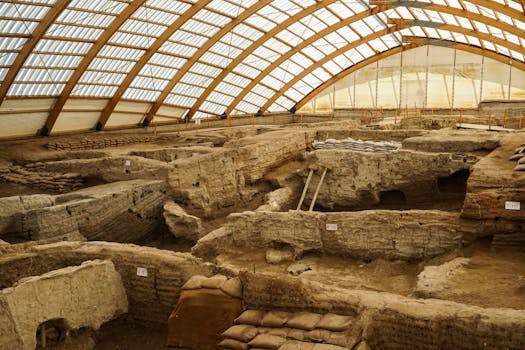
An Experimental Archaeologist in the UK is a fascinating and hands-on role that blends scientific rigour with practical reconstruction and experimentation. This career involves recreating ancient technologies, structures, crafts, and processes using authentic materials and methods, based on evidence from archaeological excavations. The primary goal is to gain a deeper understanding of how past societies lived, worked, and interacted with their environment. This could involve anything from building a prehistoric roundhouse to firing ancient pottery in a reconstructed kiln, flint knapping, bronze casting, or even simulating ancient farming techniques. It requires a strong knowledge of archaeological theory, material culture, and practical skills, often involving carpentry, metalworking, textiles, or ceramics. Day-to-day work can be highly varied. One might spend time researching ancient texts and archaeological reports, planning experimental designs, sourcing raw materials, and then executing the experiments in a dedicated open-air museum, university research centre, or on an archaeological site. Data collection, analysis, and dissemination through reports, academic papers, and public presentations are crucial components. Experimental archaeologists often work collaboratively with other specialists, engaging with the public through demonstrations and educational programmes, bringing the past to life in a tangible way. It is a field for those who enjoy problem-solving, practical challenges, and contributing to our understanding of human history through direct engagement with ancient technologies.

Experimental Archaeologist

Flag Media

Please select a reason for flagging this content.

📊 Statistics

Salary Range

Starting salaries for archaeologists, which can include experimental roles, typically range from 20,000 to 25,000 GBP. With experience, this can rise to 28,000 to 40,000 GBP. Senior or specialist roles in research or universities can command higher figures, potentially exceeding 45,000 GBP.

Number of Positions

While precise figures for 'Experimental Archaeologist' as a standalone role are hard to isolate, the broader archaeological sector in the UK employs several thousand professionals. Roles directly labelled experimental archaeology are often embedded within university research departments, museums, heritage organisations, or independent research projects, making it a niche specialism within a larger field.

Educational Requirements

A good undergraduate degree in archaeology, history, or a related field is almost always a prerequisite. For specialist experimental archaeology roles, a Masters degree (MA or MSc) or a PhD is frequently expected, particularly for academic or research-focused positions, demonstrating advanced theoretical and practical skills.

🚀 Careers in this path

Flag Media

Please select a reason for flagging this content.

Field Archaeologist

Conducts excavations, surveys, and finds processing on archaeological sites. This role often involves travel and working outdoors, perfect for gaining hands-on experience after your studies.

Flag Media

Please select a reason for flagging this content.

Heritage Consultant

Advises clients (like property developers or local councils) on the archaeological and historical impact of proposed developments, ensuring compliance with heritage legislation. It combines research with practical application.

Flag Media

Please select a reason for flagging this content.

Museum Curator Assistant Archaeology

Supports senior curators in managing archaeological collections, including documentation, conservation, exhibition planning, and public engagement. A great way to work with artefacts and interpret history for the public.

Build Your Foundations

Complete Relevant Undergraduate Degree

Obtain a Bachelor's degree in Archaeology, History, Anthropology, or a related field. This provides the essential theoretical knowledge and understanding of archaeological principles.

Focus on modules that offer a broad understanding of archaeological periods, methodologies, and material culture. Consider universities with strong archaeology departments, fieldwork opportunities, and perhaps even existing experimental archaeology projects or connections. Developing critical thinking and research skills during this period is paramount for future success in the field.

Gain Fieldwork Experience

Actively participate in archaeological digs and surveys to develop practical excavation, recording, and interpretative skills. Fieldwork is crucial for understanding archaeological contexts.

Volunteer or intern on archaeological projects both in the UK and abroad. Many universities offer field schools during summer breaks. This hands-on experience not only looks great on your CV but also teaches you about stratigraphy, artefact identification, and the practical challenges of archaeological investigation, which are foundational for understanding the 'why' behind experimental reconstructions.

Develop Practical Skills and Crafts

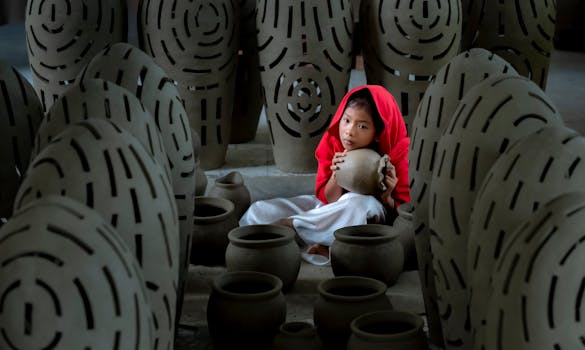
Start learning practical skills relevant to ancient technologies, such as flintknapping, pottery making, metalworking, or traditional woodworking.

This is where the 'experimental' aspect truly begins. Attend workshops, join local craft groups, or take online courses in traditional crafts. Many experimental archaeologists are highly skilled artisans in their own right. Understanding the mechanics, limitations, and time investment of ancient crafts will be invaluable when trying to replicate them accurately. Look for opportunities to volunteer at living history museums or heritage sites that demonstrate these skills.

Specialise and Research

Pursue Postgraduate Studies

Consider a Master's or PhD in Archaeology, specifically focusing on experimental archaeology or a relevant specialisation (e.g., prehistoric technology, ancient agriculture).

Many universities offer specific MA programmes in Experimental Archaeology or related fields like Material Culture Studies. A Master's degree will allow you to deepen your theoretical understanding and undertake a research project, often involving practical experimentation. A PhD is usually required for academic research positions and involves original, significant experimental work and a substantial dissertation.

Network and Collaborate

Connect with established experimental archaeologists, researchers, and institutions working in the field.

Attend archaeological conferences, workshops, and seminars. Join professional archaeological societies such as the Chartered Institute for Archaeologists (CIfA) or the European Association of Archaeologists (EAA). Networking can lead to mentorship opportunities, collaborative projects, and awareness of job openings. Building relationships within the community is vital for professional development and staying current with research trends.

Undertake Independent Experimental Projects

Design and execute your own experimental archaeological projects to build a portfolio of practical research.

This could involve replicating a specific ancient tool, testing a hypothesised building technique, or experimenting with ancient food preparation methods. Document your methodology, results, and interpretations rigorously, just as you would with traditional archaeological research. These projects demonstrate your initiative, practical skills, and ability to contribute to the field, making you a stronger candidate for roles in research institutions or museums.

Professional Development and Contribution

Publish and Present Your Work

Share your experimental findings through academic publications, conference presentations, and public outreach.

Publishing in peer-reviewed journals is essential for academic career progression. Presenting at conferences allows you to share your work, receive feedback, and gain visibility. Engaging in public outreach, such as giving talks at museums or schools, helps to disseminate archaeological knowledge and can also be a source of funding or collaboration opportunities. Effective communication of your research is key.

Seek Specialised Roles

Look for positions at archaeological research institutions, universities, museums, or heritage sites that focus on experimental archaeology.

Job titles might include Experimental Archaeologist, Research Fellow, Curator with experimental specialisation, or Living History Interpreter. These roles often combine practical reconstruction with research, public engagement, and teaching. Be prepared to apply for competitive academic posts or project-based work, as permanent roles can be scarce. Building a strong track record of publications and successful projects will significantly enhance your employability.

Continuous Learning and Skill Refinement

Stay updated with new archaeological theories, experimental techniques, and continue to refine your practical skills.

The field of archaeology is constantly evolving, and new discoveries can change our understanding of the past. Regularly engage with academic literature, attend specialist workshops, and practice your craft skills. Consider learning new practical techniques or specialising in different material types as your career progresses. This commitment to lifelong learning will ensure you remain at the forefront of experimental archaeological research and practice.

🎯 View Apprenticeships

Explore relevant apprenticeships that can help you kickstart your career in Experimental Archaeologist. Apprenticeships offer hands-on experience and training while earning a wage.

Career Progressions

This page showcases various career options and the pathways to reach them. Each career listed here shares transferable skills and knowledge, making it easier for individuals to transition between them.

Your current career is highlighted to help you see how it fits into the broader landscape of potential career choices. By clicking on any career, you can learn more about it, including the training and education required to pursue it.

Remember, progressing in your career often involves further learning and training. This page provides insights into future career options as well as those that can lead up to your current one.

These career progression decisions are informed by comparing the skills and knowledge needed for different occupations, along with data on how people move between them. Explore the possibilities and discover the exciting journey ahead in your career!

Sample Qualifications

An Experimental Archaeologist specialises in recreating ancient technologies and practices to test hypotheses about past cultures, which is a specific methodology within the broader field of archaeology, making 'Archaeologist' the most fitting official job title.

How to become

You can get into this job through:

  • a university course
  • an apprenticeship

University

Most professional archaeologists have a degree and many also have a postgraduate qualification.

You can do a degree in archaeology or a related subject, like:

  • environmental archaeology
  • human evolution
  • archaeological science
  • ancient history
  • conservation and cultural heritage

You can search for higher education archaeology courses on British Archaeological Jobs and Resources.

After completing a first degree, you could take a postgraduate course and specialise in a particular field. 

Examples include:

  • osteoarchaeology - studying human remains
  • marine archaeology - investigating coastal and underwater sites
  • digital archaeology - creating visualisations of ruins and finds

Entry requirements

You'll usually need:

  • 2 to 3 A levels, or equivalent, for a degree
  • a degree in a relevant subject for postgraduate study

More Information

Apprenticeship

You could apply to do an Archaeological Technician Level 3 Advanced Apprenticeship, with an archaeological consultancy, university department or heritage organisation. This could lead to a position like archaeological site assistant or finds technician.

With further training, you could become a professional archaeologist.

You could also complete an Archaeological Specialist Level 7 Postgraduate Degree Apprenticeship.

The degree apprenticeship typically takes 3 years to complete and combines learning on-the-job with university study.

Employers will assess your skills, experience and qualifications when you apply, and usually require a relevant first degree.

Entry requirements

Employers will set their own entry requirements.

More Information

Volunteering

Competition for courses and jobs is very strong. It's essential that you get practical experience.

Local and regional archaeological associations run volunteer fieldwork programmes for all age groups.

These offer you the chance to get hands-on experience, doing tasks like:

  • site surveys
  • excavations
  • recording finds

You can find volunteering opportunities through the Council for British Archaeology.

More Information

Career tips

There are a lot of different specialisms in archaeology and skills you have from another career can be useful, for example:

  • computer-aided design (CAD)
  • illustration
  • photography
  • geographical information systems (GIS)

Professional and industry bodies

You can join the Chartered Institute for Archaeologists for professional development training and networking opportunities.

Further information

You'll find more details about how to become an archaeologist from the:

Interested in More Career Paths?

Explore other careers or use our AI to discover personalised paths based on your interests.

Stay connected

Join our newsletter to stay up to date on features and releases

Address
Developing Experts Limited
Exchange Street Buildings
35-37 Exchange Street
Norwich
NR2 1DP
UK

Phone
01603 273515

Email
[email protected]

Copyright 2026 Developing Experts, All rights reserved.