
Creating Career Path...

Finding Further Careers...

Experimental Archaeologist

View this career for different education levels:

Imagine being a history detective, but instead of just looking at old things, you actually try to make them or use them to see how people lived long ago! That is what an experimental archaeologist does. They use their hands and clever ideas to rebuild ancient tools, houses, or even cook old recipes. For example, they might try building a Stone Age hut using only the tools available back then, or weave cloth on an ancient loom to understand how people did it without modern machines. They might even try firing pottery in an old-style kiln or making flint tools. Their job is to learn about the past by trying to do things the way ancient people did, so we can understand their lives better. They write reports and show people what they have learned, often at museums or historical sites.

Experimental Archaeologist

Flag Media

Please select a reason for flagging this content.

📊 Statistics

Salary Range

An entry-level experimental archaeologist in the UK might earn around 20,000 to 25,000 pounds per year. With more experience, this could go up to 35,000 pounds or even more.

Job Opportunities

It is a niche field, which means there are not thousands of jobs, but there are opportunities in universities, museums, heritage sites, and even some independent research groups across the UK.

Working Hours

Most experimental archaeologists work around 37 to 40 hours a week, but sometimes they might work longer if they are building something big or doing an exciting project.

🚀 Careers in this path

Flag Media

Please select a reason for flagging this content.

Digging Detective

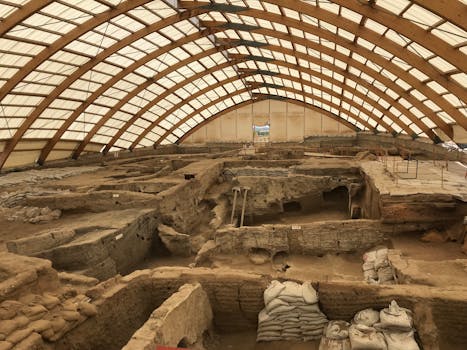
Imagine being a detective who doesn't look for clues about baddies, but about people from a very, very long time ago! You'd carefully dig in the ground to find old broken pots, tools, and even dinosaur bones sometimes (though that's usually a palaeontologist). You'd learn how people lived and what they ate by looking at all the things they left behind.

Flag Media

Please select a reason for flagging this content.

Castle Explorer

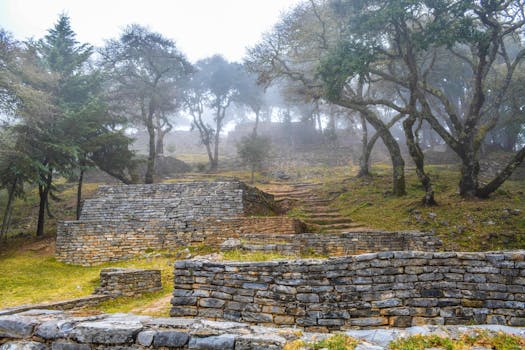
You get to explore old castles and historical places, but not just to look. You'd help figure out how they were built, what parts were used for living, and what games children played there hundreds of years ago. You might draw maps of the castle and imagine what life was like inside its walls, trying to understand its secrets.

Flag Media

Please select a reason for flagging this content.

Ancient History Storyteller

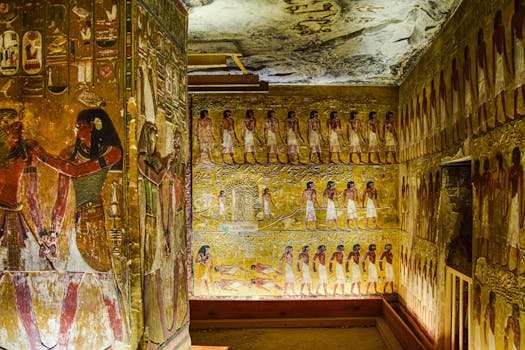
After digging up amazing things and learning about the past, your job is to tell everyone else the exciting stories! You could help create displays in museums with the treasures you found, or even write simple books for other children about knights, Roman soldiers, or cave people. You make history come alive so everyone can enjoy it.

Learning About History

Read History Books

Start by reading lots of books about ancient times, like the Romans, Vikings, or Egyptians. Look at pictures of old things they used.

Visit your local library and ask for books about history! Look for stories about how people lived long, long ago, what clothes they wore, what food they ate, and what tools they used. You might find books about British history, like the Stone Age or the Roman invasion, which are great for learning about archaeology in the UK.

Watch Documentaries

Watch TV shows and videos about archaeologists digging up old things and what they find. This helps you see what the job is like.

There are many fantastic documentaries on TV and online about archaeology. Look for programmes that show real archaeologists working at dig sites, finding ancient pottery, coins, or even buildings. Pay attention to how they carefully uncover things and how they try to figure out what they found.

Visit Museums

Go to museums to see real ancient objects. Imagine what it was like for the people who made and used them.

Museums are like treasure chests full of history! Look for sections about ancient civilisations or local history. You might see tools, jewellery, or even parts of old buildings that archaeologists have found. Try to imagine holding the items and how the people who made them would have used them in their daily lives.

Hands-On Exploring

Try Making Things

With a grown-up's help, try making simple things using old methods, like building a small den or trying to make something with clay.

This is where the 'experimental' part comes in! You could try to build a small shelter in your garden using natural materials like sticks and leaves, just like ancient people might have done. Or, get some air-dry clay and try to make a pot or a bowl using only your hands, imagining you don't have a potter's wheel. It's all about trying to understand how difficult or easy these tasks were.

Dig in the Garden

Ask a grown-up if you can carefully dig a small 'archaeological trench' in your garden to see what you can find, like old stones or forgotten toys!

Remember to always ask permission from a grown-up before you dig, and make sure you're not digging near any important pipes or plants! You can use a small trowel and brush to gently dig and see what 'artefacts' you can discover. Even finding an old button or a broken bit of pottery can be exciting and teach you about careful digging.

Learn About Tools

Find out what kinds of tools ancient people used for different jobs, like hunting, cooking, or building. How do they compare to our tools today?

Research tools from different time periods. For example, learn about flint axes from the Stone Age, or Roman building tools. Think about how they worked and what they were used for. You could even try drawing them! Understanding the tools is key to experimenting with how they were used.

Going Further

Join a Young Archaeologists' Club

There are clubs especially for children who love archaeology. You can meet other kids and do fun activities together.

The Young Archaeologists' Club (YAC) is a brilliant way to learn more! They have groups all over the UK where you can go on mock digs, visit ancient sites, and learn from real archaeologists. It's a super fun way to make new friends who share your interest in the past.

Study History at School

Pay attention in your history lessons at school. The more you learn, the better you'll understand ancient times.

Your history lessons at school are very important for becoming an experimental archaeologist. They will teach you about different periods of history and how people lived. Try to ask questions and think about what it would have been like to live in those times.

Visit Experimental Archaeology Centres

Some places in the UK let you see ancient buildings and activities recreated. It's like stepping back in time!

There are places, like Butser Ancient Farm or West Stow Anglo-Saxon Village, where they have rebuilt ancient houses using old methods. You can often see people demonstrating ancient crafts, like weaving or pottery, and even try some yourself. These places are fantastic for seeing experimental archaeology in action and understanding how historical experiments work.

🎬 Useful Videos

🎯 View Apprenticeships

Explore relevant apprenticeships that can help you kickstart your career in Experimental Archaeologist. Apprenticeships offer hands-on experience and training while earning a wage.

Career Progressions

This page showcases various career options and the pathways to reach them. Each career listed here shares transferable skills and knowledge, making it easier for individuals to transition between them.

Your current career is highlighted to help you see how it fits into the broader landscape of potential career choices. By clicking on any career, you can learn more about it, including the training and education required to pursue it.

Remember, progressing in your career often involves further learning and training. This page provides insights into future career options as well as those that can lead up to your current one.

These career progression decisions are informed by comparing the skills and knowledge needed for different occupations, along with data on how people move between them. Explore the possibilities and discover the exciting journey ahead in your career!

Sample Qualifications

An Experimental Archaeologist specialises in recreating ancient technologies and practices to test hypotheses about the past, which is a sub-discipline and method within the broader field of archaeology, making 'Archaeologist' the most direct and appropriate fit. Nanotechnologist is entirely unrelated to the study of the past.

How to become

You can get into this job through:

  • a university course
  • an apprenticeship

University

Most professional archaeologists have a degree and many also have a postgraduate qualification.

You can do a degree in archaeology or a related subject, like:

  • environmental archaeology
  • human evolution
  • archaeological science
  • ancient history
  • conservation and cultural heritage

You can search for higher education archaeology courses on British Archaeological Jobs and Resources.

After completing a first degree, you could take a postgraduate course and specialise in a particular field. 

Examples include:

  • osteoarchaeology - studying human remains
  • marine archaeology - investigating coastal and underwater sites
  • digital archaeology - creating visualisations of ruins and finds

Entry requirements

You'll usually need:

  • 2 to 3 A levels, or equivalent, for a degree
  • a degree in a relevant subject for postgraduate study

More Information

Apprenticeship

You could apply to do an Archaeological Technician Level 3 Advanced Apprenticeship, with an archaeological consultancy, university department or heritage organisation. This could lead to a position like archaeological site assistant or finds technician.

With further training, you could become a professional archaeologist.

You could also complete an Archaeological Specialist Level 7 Postgraduate Degree Apprenticeship.

The degree apprenticeship typically takes 3 years to complete and combines learning on-the-job with university study.

Employers will assess your skills, experience and qualifications when you apply, and usually require a relevant first degree.

Entry requirements

Employers will set their own entry requirements.

More Information

Volunteering

Competition for courses and jobs is very strong. It's essential that you get practical experience.

Local and regional archaeological associations run volunteer fieldwork programmes for all age groups.

These offer you the chance to get hands-on experience, doing tasks like:

  • site surveys
  • excavations
  • recording finds

You can find volunteering opportunities through the Council for British Archaeology.

More Information

Career tips

There are a lot of different specialisms in archaeology and skills you have from another career can be useful, for example:

  • computer-aided design (CAD)
  • illustration
  • photography
  • geographical information systems (GIS)

Professional and industry bodies

You can join the Chartered Institute for Archaeologists for professional development training and networking opportunities.

Further information

You'll find more details about how to become an archaeologist from the:

Interested in More Career Paths?

Explore other careers or use our AI to discover personalised paths based on your interests.

Stay connected

Join our newsletter to stay up to date on features and releases

Address
Developing Experts Limited
Exchange Street Buildings
35-37 Exchange Street
Norwich
NR2 1DP
UK

Phone
01603 273515

Email
[email protected]

Copyright 2026 Developing Experts, All rights reserved.
