Creating Career Path...

Finding Further Careers...

Art Historian

View this career for different education levels:

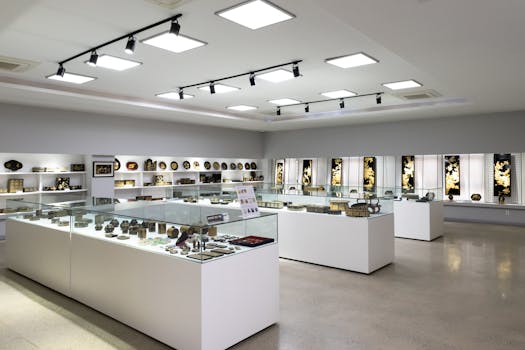
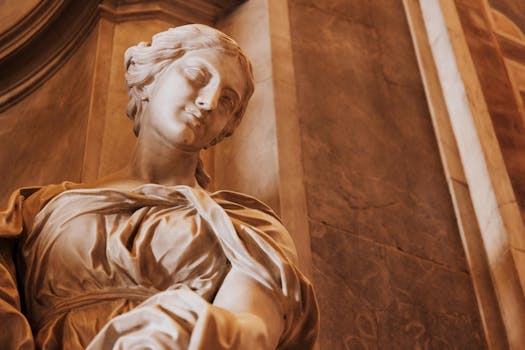
Imagine a detective, but instead of solving mysteries about who stole a jewel, they solve mysteries about paintings, sculptures, and buildings! That is a bit like what an Art Historian does. They look at art from the past, trying to understand when it was made, who made it, why they made it, and what stories it tells us about people who lived long ago. They read old books, travel to see amazing artworks, and share their discoveries with others through writing and talking. It is all about exploring beautiful things and understanding their secret messages from history. Art Historians often work in exciting places like big museums in London, Edinburgh, or Manchester, where they help look after precious artworks and teach people about them. They might also work at universities, helping students learn about different artists and art periods, or even for auction houses, helping to figure out how much old paintings are worth. It is a job for someone who loves looking closely, thinking deeply, and sharing amazing stories about human creativity across time.

Art Historian

Flag Media

Please select a reason for flagging this content.

📊 Statistics

Average Starting Salary

For someone just starting as an Art Historian in the UK, especially in museum or gallery roles, the starting salary can be around 20,000 to 25,000 pounds per year. As you get more experience, this can grow quite a bit.

Experienced Salary Range

With lots of experience, maybe working as a senior curator or university lecturer, an Art Historian in the UK could earn between 30,000 to 50,000 pounds or even more per year, depending on their role and where they work.

Number of Positions

While there are not thousands of Art Historian jobs available every day, there are always interesting opportunities in places like museums, universities, art galleries, and auction houses across the UK for people who love art and history.

🚀 Careers in this path

Flag Media

Please select a reason for flagging this content.

Picture Detective

Imagine you are a detective, but instead of solving mysteries with clues, you solve mysteries by looking at old pictures and paintings! You try to understand what is happening in the picture, who made it, and what stories it tells us about the past. You might visit museums to see real paintings up close.

Flag Media

Please select a reason for flagging this content.

Museum Storyteller

A museum storyteller works in a museum and helps children and grown-ups understand the cool things they see there. They might tell exciting stories about the people who made the art, or what life was like when the art was created. They make history fun and interesting for everyone.

Flag Media

Please select a reason for flagging this content.

Art Finder

An art finder is like an explorer, but they are looking for art! They might research old maps and books to find where important art pieces are kept, or even help find art that has been lost. They learn all about different artists and their styles to know what to look for.

Exploring Your Artistic Side

Visit Art Museums and Galleries

Spend time looking at different kinds of art. See what you like and what makes you curious!

Many towns and cities across the UK have fantastic museums and art galleries that are free to enter. Ask your grown-ups to take you to places like the National Gallery in London, the Tate Modern, or your local museum. Try to find out when the art was made and what you think it means.

Read About Art and Artists

Find books about famous artists and different types of art, from ancient times to today.

Your local library will have lots of books with colourful pictures of art and stories about the artists who made them. Look for books about Egyptian art, Roman sculptures, medieval castles, or famous painters like Van Gogh and Frida Kahlo. Learning about their lives can be very interesting!

Get Creative Yourself

Try drawing, painting, or making sculptures! This helps you understand how art is made.

Making your own art, even just doodling, can help you appreciate the skill and imagination that goes into artworks. Experiment with different materials like pencils, paints, clay, or even craft supplies. Think about what stories you want your art to tell.

Learning More About Art

Study History and Art in School

Pay attention in history and art classes, as they teach you about the past and different art styles.

When you get to secondary school, you can choose subjects like History and Art & Design. These subjects will give you a great foundation. You'll learn about different periods in history, important events, and how art has changed over time. Understanding history helps you understand why art looks the way it does.

Join Art Clubs or Workshops

If your school has an art club, or if there are workshops nearby, join them to learn more.

Art clubs are brilliant places to meet other people who love art and try new things. Sometimes museums or community centres offer special workshops for children or teenagers where you can learn about specific art techniques or famous artists. This is a fun way to deepen your interest.

Watch Documentaries About Art

There are many exciting TV shows and videos that explore art and its history.

Ask your grown-ups to help you find documentaries about art on TV or online. You can learn about ancient civilisations, specific art movements like Impressionism, or the lives of famous artists. Watching these can bring art history to life and show you how exciting it can be.

Becoming an Art Expert

Go to University to Study Art History

After school, you'd usually go to university to study Art History as a main subject.

Many universities in the UK offer special courses called Art History degrees. You would spend three or four years learning all about art from different times and places. You'd write essays, look at lots of pictures, and visit many more museums. This is where you become a real expert!

Visit Historical Sites and Collections

As you get older, visit castles, cathedrals, and ancient ruins to see art in its original home.

An Art Historian doesn't just look at art in museums, but also where it was originally created or displayed. Visiting places like Warwick Castle, Canterbury Cathedral, or Roman ruins in Bath can give you a better understanding of how art and architecture were used in the past. It's like stepping back in time!

Consider Further Study or Internships

To become super good, you might do more studying or work in a museum to gain experience.

After your first university degree, some Art Historians do another degree called a Master's or a PhD to specialise even more. You could also try to get an internship, which is like a work experience placement, at a museum or gallery. This helps you learn the ropes and meet people already working in the field.

🎯 View Apprenticeships

Explore relevant apprenticeships that can help you kickstart your career in Art Historian. Apprenticeships offer hands-on experience and training while earning a wage.

Career Progressions

This page showcases various career options and the pathways to reach them. Each career listed here shares transferable skills and knowledge, making it easier for individuals to transition between them.

Your current career is highlighted to help you see how it fits into the broader landscape of potential career choices. By clicking on any career, you can learn more about it, including the training and education required to pursue it.

Remember, progressing in your career often involves further learning and training. This page provides insights into future career options as well as those that can lead up to your current one.

These career progression decisions are informed by comparing the skills and knowledge needed for different occupations, along with data on how people move between them. Explore the possibilities and discover the exciting journey ahead in your career!

Sample Qualifications

An Art Historian's qualifications and expertise in art history, research, and interpretation of artworks closely align with the core duties of a Museum Curator, who is responsible for managing, conserving, and exhibiting collections, often with a specialisation in art.

How to become

You can get into this job through:

  • a university course
  • an apprenticeship
  • working towards this role

University

You can start by doing a degree in a subject like:

  • fine art or art history
  • museum or heritage studies
  • archaeology or ancient history
  • classics
  • natural sciences
  • anthropology
  • education

You can also study for a postgraduate qualification in museum and gallery studies, or in a particular style or period of art or history. This may give you an advantage when applying for jobs.

Some universities will require a relevant first degree to apply for a postgraduate course. Others may accept most subjects but expect you to have a lot of work experience to back up your application.

Entry requirements

You'll usually need:

  • 2 to 3 A levels, or equivalent, for a degree
  • a degree in any subject for a postgraduate course

More Information

Apprenticeship

You may be able to apply for a Curator Level 7 Apprenticeship with a cultural or heritage organisation.

This can take around 3 years to complete and combines on-the-job training with off-site learning.

Entry requirements

Employers will set their own entry requirements.

More Information

Work

You may be able to work as a collections assistant, education officer or conservator, before becoming a museum or gallery curator through training and promotion.

Volunteering

Paid or unpaid work experience in a museum, gallery or heritage property is usually essential to apply for courses and jobs.

More Information

Career tips

Digital skills are becoming increasingly important in this career, for example for cataloguing and archival purposes, and producing online and interactive content for wider public engagement. Any skills you can develop through work or volunteering will be helpful.

Professional and industry bodies

You can join the Museums Association for professional development and to make industry contacts.

Further information

You can learn more about how to become a museum or gallery curator from the Museums Association.

Interested in More Career Paths?

Explore other careers or use our AI to discover personalised paths based on your interests.

Stay connected

Join our newsletter to stay up to date on features and releases

Address
Developing Experts Limited
Exchange Street Buildings
35-37 Exchange Street
Norwich
NR2 1DP
UK

Phone
01603 273515

Email
[email protected]

Copyright 2026 Developing Experts, All rights reserved.
