





Creating Career Path...

Finding Further Careers...

Shipwright

View this career for different education levels:

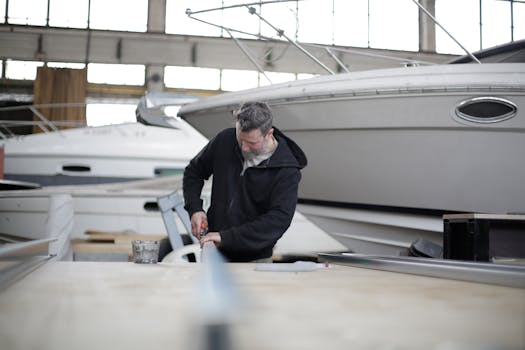
A shipwright is a skilled craftsperson responsible for constructing, maintaining, and repairing all types of marine vessels, from small pleasure craft to large commercial ships. This ancient profession combines traditional techniques with modern technology. Shipwrights work with a variety of materials, including wood, steel, aluminium, and composite materials, interpreting technical drawings and specifications to bring designs to life. Their tasks can include framing, planking, deck construction, mast making, interior fit-out, and the installation of complex systems. They play a crucial role in ensuring the structural integrity, watertightness, and overall seaworthiness of a vessel. The role demands a high level of precision, problem-solving ability, and attention to detail. Shipwrights may work in shipyards, boatyards, marinas, or even on-site for custom projects, often collaborating with naval architects, marine engineers, and other tradespeople. The work can be physically demanding and often takes place outdoors or in workshops, requiring a strong understanding of health and safety protocols. Beyond new builds, many shipwrights specialise in restoration work, preserving historical vessels and keeping traditional skills alive.

Shipwright

Flag Media

Please select a reason for flagging this content.

📊 Statistics

Average Salary Range

Starting salaries for apprentice shipwrights might be around 18,000 to 22,000 pounds per year, while experienced shipwrights can expect to earn between 25,000 to 40,000 pounds annually. Highly skilled or specialist shipwrights, particularly in bespoke or historical vessel restoration, can command higher rates.

Number of Positions / Market Size

The shipwright profession in the UK is a niche but vital sector. While exact figures for 'shipwright' alone are hard to isolate, the broader marine engineering and shipbuilding sector employs around 40,000 to 50,000 people. Shipwright roles are often concentrated in coastal areas, particularly around major ports, naval bases, and traditional shipbuilding towns.

Typical Entry Requirements

Entry is often via an apprenticeship, typically lasting 3-4 years, leading to an NVQ Level 3 or similar qualification in boat building or marine craft. Some may enter with a relevant college course, such as a BTEC in Engineering or Naval Architecture, followed by on-the-job training.

🚀 Careers in this path

Flag Media

Please select a reason for flagging this content.

Yacht Builder

Specialises in the construction, repair, and maintenance of luxury yachts and sailing vessels. This role often involves working with advanced materials like GRP, composites, and high-quality timbers, combining traditional craftsmanship with modern technology.

Flag Media

Please select a reason for flagging this content.

Marine Composite Technician

Focuses on building and repairing components for boats and ships using advanced composite materials such as fibreglass, carbon fibre, and Kevlar. This is a highly skilled role crucial for modern shipbuilding, particularly in high-performance or lightweight vessels.

Flag Media

Please select a reason for flagging this content.

Boat Restorer

Dedicated to the conservation and repair of historic and classic boats, often made of wood. This involves deep knowledge of traditional boatbuilding techniques, materials, and historical accuracy to bring vessels back to their original condition.

Build Foundational Skills

Gain Relevant Qualifications

To start your journey, consider pursuing qualifications that provide a strong foundation in practical skills and relevant theoretical knowledge.

Look into Level 2 or 3 NVQs, BTECs, or City & Guilds qualifications in areas like marine engineering, boatbuilding, or fabrication. These courses will introduce you to essential tools, materials, and safety practices in a workshop environment. Some colleges also offer specific 'Boatbuilding and Repair' programmes, which would be ideal. Maths, English, and Design & Technology GCSEs are also beneficial.

Develop Practical Hand Skills

Shipwrights need excellent manual dexterity. Practice using hand and power tools safely and accurately.

Seek opportunities to work on practical projects, perhaps through school workshops, community projects, or personal hobbies like woodworking or metalwork. Familiarise yourself with measuring tools, saws, planes, drills, welding equipment, and sanding machinery. Precision and attention to detail are crucial in this line of work, as even small errors can have significant implications for a vessel's integrity.

Understand Marine Principles

Familiarise yourself with basic concepts of naval architecture, vessel types, and marine materials.

Begin by researching different types of vessels (sailboats, motor yachts, commercial ships) and the materials used in their construction (timber, steel, aluminium, fibreglass composites). Understand basic principles like buoyancy, stability, and hydrodynamics. Reading industry publications, visiting maritime museums, and attending boat shows can also provide valuable insights into the world of ship design and construction.

Specialise and Gain Experience

Secure an Apprenticeship

An apprenticeship is arguably the best route to becoming a qualified Shipwright, combining on-the-job training with formal education.

Search for apprenticeships with boatbuilders, shipyards, marine repair companies, or even organisations like the Royal Navy. Apprenticeships typically last 3-4 years and will expose you to various aspects of ship construction and repair under the guidance of experienced professionals. You'll learn specific techniques for working with different materials, assembly methods, and finishing processes while earning a wage.

Gain Work Experience

Even without a formal apprenticeship, gaining practical experience in a marine environment is invaluable.

Look for entry-level positions or voluntary roles at local marinas, boatyards, or marine fabrication shops. Even if the role isn't directly 'Shipwright', any experience working with tools, materials, or in a marine setting will enhance your CV. This could include roles in general maintenance, labouring, or assisting skilled tradespeople. Networking during this time can also open doors to future opportunities.

Develop Specific Craft Skills

As you gain experience, focus on developing expertise in specific areas of shipwright work.

Shipwrights can specialise in areas such as wooden boatbuilding, steel fabrication, fibreglass repair, composite construction, interior fit-out, or rigging. Identify an area that interests you and where there is demand, then seek out projects or training that will allow you to hone these particular skills. Mastery in one area often makes you a more valuable asset to an employer.

Career Advancement and Mastery

Pursue Further Qualifications and Certifications

Continue your professional development to enhance your skills and open up more advanced roles.

Consider advanced NVQs or HNC/HNDs in Marine Technology or Naval Architecture, which can provide a deeper understanding of design principles and project management. Specific certifications in welding (e.g., coded welding), GRP laminating, or specific machinery operation can also make you more employable and capable of handling complex tasks. Staying up-to-date with new materials and techniques is crucial in this evolving industry.

Specialise and Master a Niche

Become an expert in a particular type of vessel, material, or construction method.

You might become renowned for restoring classic wooden yachts, building high-performance composite racing boats, or repairing large commercial vessels. This specialisation can lead to higher-paying projects, consultancy work, or even starting your own business. Becoming a 'go-to' expert in a niche area creates significant career opportunities and establishes your reputation within the industry.

Consider Leadership or Entrepreneurship

With extensive experience, you can move into supervisory roles or establish your own boatbuilding or repair business.

As a lead Shipwright or Foreman, you would manage teams, oversee projects, and ensure quality control and safety. If you choose entrepreneurship, you would be responsible for all aspects of running a business, from client acquisition and project management to financial planning and marketing. This path requires not only exceptional craft skills but also strong business acumen and leadership qualities.

🎯 View Apprenticeships

Explore relevant apprenticeships that can help you kickstart your career in Shipwright. Apprenticeships offer hands-on experience and training while earning a wage.

Career Progressions

This page showcases various career options and the pathways to reach them. Each career listed here shares transferable skills and knowledge, making it easier for individuals to transition between them.

Your current career is highlighted to help you see how it fits into the broader landscape of potential career choices. By clicking on any career, you can learn more about it, including the training and education required to pursue it.

Remember, progressing in your career often involves further learning and training. This page provides insights into future career options as well as those that can lead up to your current one.

These career progression decisions are informed by comparing the skills and knowledge needed for different occupations, along with data on how people move between them. Explore the possibilities and discover the exciting journey ahead in your career!

Sample Qualifications

A Shipwright's primary role is the construction, maintenance, and repair of ships and boats, which directly aligns with the duties of a Boat builder. The term 'Shipwright' is an older, more traditional term for someone who builds and repairs wooden vessels, making 'Boat builder' the closest modern equivalent on the list.

How to become

You can get into this job through:

  • a college course
  • an apprenticeship
  • applying directly
  • a course with a commercial training provider

College

You could take a college course to learn some of the skills you would need as a trainee, or to join an apprenticeship.

Courses include:

  • boat building
  • marine engineering
  • marine electrical engineering
  • T Level in Engineering, Manufacturing, Processing and Control
  • T level in Maintenance, Installation and Repair

Entry requirements

Entry requirements for these courses vary.

More Information

Apprenticeship

You could apply to do a Level 3 Advanced Apprenticeship, for example:

  • Boatbuilder
  • Maritime Mechanical Fitter
  • Maritime Electrical Fitter
  • Maritime Pipeworker
  • Marine Engineer

These can take between 3 and 4 years to complete. You'll do on-the-job training and spend time with a college or training provider.

Entry requirements

You'll usually need:

  • 5 GCSEs at grades 9 to 4 (A* to C), or equivalent, including English and maths, for an advanced apprenticeship

More Information

Direct Application

You can apply directly if you've got relevant skills. Qualifications and experience in joinery, electrics, engineering, welding or plumbing can help.

Other Routes

You may be able to take a course with a commercial boat building training provider. Training can range from short courses in marine electrics and joinery, through to full boat building programmes, lasting several months.

More Information

Career tips

You'll need to be willing to move if necessary, as training providers and boat yards are located in coastal areas around the country.

Further information

You can find out more about becoming a boat builder from the Institute of Marine Engineering, Science and Technology and British Marine.

Interested in More Career Paths?

Explore other careers or use our AI to discover personalised paths based on your interests.

Stay connected

Join our newsletter to stay up to date on features and releases

Address
Developing Experts Limited
Exchange Street Buildings
35-37 Exchange Street
Norwich
NR2 1DP
UK

Phone
01603 273515

Email
[email protected]

Copyright 2025 Developing Experts, All rights reserved.
