





Creating Career Path...

Finding Further Careers...

Shipwright

View this career for different education levels:

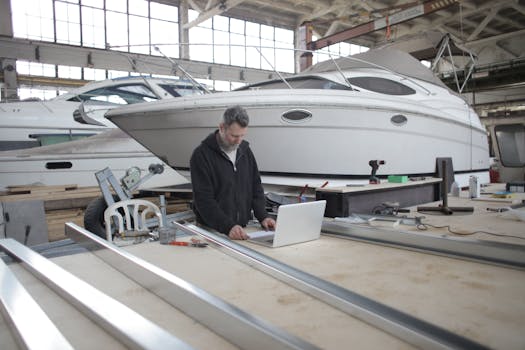
A Shipwright is a skilled craftsperson who builds, repairs, and maintains all sorts of boats and ships, from small wooden yachts to large steel vessels. Imagine being responsible for putting together the very structure of a boat, ensuring it is strong, watertight, and safe to sail! This job involves a lot of hands-on work with different materials like wood, metal, and composite plastics. You'd learn how to read technical drawings, use a variety of tools – from traditional hand tools to modern machinery – and understand how boats float and move through water. Being a Shipwright isn't just about building; it's also about fixing things. If a boat gets damaged, a Shipwright is called in to repair its hull, deck, or internal structures. This career requires precision, problem-solving skills, and a keen eye for detail. It's a fantastic choice for someone who loves working with their hands, has an interest in engineering or design, and is fascinated by the sea and all things maritime. Many Shipwrights learn their trade through apprenticeships, which means you get to learn on the job while also studying.

Shipwright

Flag Media

Please select a reason for flagging this content.

📊 Statistics

Average Salary (UK)

Starting salaries for an apprentice shipwright might be around 15,000 to 20,000 pounds per year, while experienced shipwrights can earn between 25,000 and 40,000 pounds annually. Highly skilled or specialised shipwrights could earn more.

Number of Positions (UK)

It is a specialised trade, so there aren't as many job openings as some other careers. However, there is a steady demand, especially in areas with significant maritime industries like Southampton, Plymouth, Glasgow, and on the River Tyne. Many roles are within smaller businesses, boatyards, or defence contractors.

Work Environment

Shipwrights often work outdoors or in large workshops. The job can involve working in different weather conditions and sometimes in cramped or high places, requiring good physical fitness and safety awareness.

🚀 Careers in this path

Flag Media

Please select a reason for flagging this content.

Boat Builder

Imagine building a small wooden boat from scratch! You would learn how to cut and shape wood, make sure it's waterproof, and even help design it. It's like being a construction worker but for boats.

Flag Media

Please select a reason for flagging this content.

Marine Electrician

Just like houses have wires for lights and TVs, boats need electricity too! A marine electrician makes sure all the lights, radios, and engines on a boat work properly and safely. You'd be working with wires and batteries.

Flag Media

Please select a reason for flagging this content.

Yacht Joiner

This is all about making the inside of fancy boats look amazing and feel super comfortable. You'd be building beautiful wooden furniture, cabinets, and panelling for yachts, making sure everything fits perfectly and looks very smart.

Learning the Basics

Explore Your Interest

Start by learning about boats and ships, how they are made, and what a shipwright does. This can help you decide if it's the right path for you.

Visit local museums with maritime exhibits, watch documentaries about shipbuilding, or read books about famous ships and their construction. Look for local boatyards or sailing clubs where you might be able to see boats being built or repaired firsthand. Understanding the history and craft will spark your curiosity.

Develop Practical Skills

Hands-on skills are super important for a shipwright. Start building things with wood or other materials, even small models.

Join a school design and technology (DT) club or take a workshop on woodworking. Practice using hand tools safely, like saws, hammers, and chisels. You could try building a model boat or even just making simple wooden joints. These skills will be the building blocks for more complex work later on.

Focus on Key School Subjects

Certain subjects at school will give you a great advantage for this career, helping you understand the maths and science behind shipbuilding.

Pay attention in Maths, especially geometry, as it's crucial for understanding shapes and measurements in boat design. Science subjects like Physics can help you grasp concepts like buoyancy and material strength. Design & Technology (DT) is also excellent as it gives you practical experience with tools and materials.

Gaining Experience

Look for Work Experience

Try to get some work experience at a boatyard, marina, or even a furniture workshop to see how things are built in a real work environment.

Contact local boatyards or carpenters to see if they offer work experience placements during school holidays. Even a short period can give you valuable insights into daily tasks, safety procedures, and the different tools and techniques used. It also shows your enthusiasm for the trade.

Consider a College Course

After your GCSEs, you might want to study a college course that focuses on practical skills relevant to boat building or carpentry.

Look for vocational courses like a Level 2 or Level 3 Diploma in Boatbuilding, Carpentry, or Joinery at a local college. These courses will teach you specific techniques, safety regulations, and provide hands-on training with professional equipment. They are a great way to learn a lot before stepping into a full-time job.

Apprenticeship is Key

The best way to become a shipwright is often through an apprenticeship, where you learn on the job from experienced craftspeople.

An apprenticeship allows you to earn a wage while learning practical skills and gaining qualifications. You'll work alongside experienced shipwrights, learning everything from how to read blueprints to actually shaping timber and fitting components. Many apprenticeships are offered by boatyards, naval repair facilities, or specialist maritime companies. This is where you really become a skilled professional.

Building Your Career

Specialise in a Niche

As you gain experience, you might find a particular area of shipwright work you love, like wooden boat restoration or modern composite building.

Shipwrights can specialise in traditional timber boat building, GRP (fibreglass) construction, steelwork, or even yacht interior fitting. Specialising can make you an expert in a particular field, opening up more specific job opportunities and potentially higher earning potential. Continuously learning new techniques and materials is also vital.

Continue Learning and Developing

The world of boat building is always changing, so keep learning new skills and technologies throughout your career.

Attend workshops, short courses, or industry seminars to keep your skills up-to-date with new materials, tools, and regulations. For example, learning about new composite materials or advanced welding techniques can make you even more valuable. This shows commitment to your craft and helps you stay competitive.

Consider Starting Your Own Business

Once you have significant experience and a good reputation, you might think about setting up your own boat building or repair business.

Starting your own business allows you to be your own boss and choose the projects you work on. This requires not only excellent shipwright skills but also business knowledge, like managing finances, marketing, and client relations. Many experienced shipwrights eventually open their own small boatyards or offer specialist freelance services.

🎬 Useful Videos

🎯 View Apprenticeships

Explore relevant apprenticeships that can help you kickstart your career in Shipwright. Apprenticeships offer hands-on experience and training while earning a wage.

Career Progressions

This page showcases various career options and the pathways to reach them. Each career listed here shares transferable skills and knowledge, making it easier for individuals to transition between them.

Your current career is highlighted to help you see how it fits into the broader landscape of potential career choices. By clicking on any career, you can learn more about it, including the training and education required to pursue it.

Remember, progressing in your career often involves further learning and training. This page provides insights into future career options as well as those that can lead up to your current one.

These career progression decisions are informed by comparing the skills and knowledge needed for different occupations, along with data on how people move between them. Explore the possibilities and discover the exciting journey ahead in your career!

Sample Qualifications

A Shipwright's primary role is the construction, maintenance, and repair of ships and boats, which directly aligns with the duties of a Boat builder. Both roles require expertise in naval architecture, woodworking, and working with various materials used in marine vessel construction.

How to become

You can get into this job through:

  • a college course
  • an apprenticeship
  • applying directly
  • a course with a commercial training provider

College

You could take a college course to learn some of the skills you would need as a trainee, or to join an apprenticeship.

Courses include:

  • boat building
  • marine engineering
  • marine electrical engineering
  • T Level in Engineering, Manufacturing, Processing and Control
  • T level in Maintenance, Installation and Repair

Entry requirements

Entry requirements for these courses vary.

More Information

Apprenticeship

You could apply to do a Level 3 Advanced Apprenticeship, for example:

  • Boatbuilder
  • Maritime Mechanical Fitter
  • Maritime Electrical Fitter
  • Maritime Pipeworker
  • Marine Engineer

These can take between 3 and 4 years to complete. You'll do on-the-job training and spend time with a college or training provider.

Entry requirements

You'll usually need:

  • 5 GCSEs at grades 9 to 4 (A* to C), or equivalent, including English and maths, for an advanced apprenticeship

More Information

Direct Application

You can apply directly if you've got relevant skills. Qualifications and experience in joinery, electrics, engineering, welding or plumbing can help.

Other Routes

You may be able to take a course with a commercial boat building training provider. Training can range from short courses in marine electrics and joinery, through to full boat building programmes, lasting several months.

More Information

Career tips

You'll need to be willing to move if necessary, as training providers and boat yards are located in coastal areas around the country.

Further information

You can find out more about becoming a boat builder from the Institute of Marine Engineering, Science and Technology and British Marine.

Interested in More Career Paths?

Explore other careers or use our AI to discover personalised paths based on your interests.

Stay connected

Join our newsletter to stay up to date on features and releases

Address
Developing Experts Limited
Exchange Street Buildings
35-37 Exchange Street
Norwich
NR2 1DP
UK

Phone
01603 273515

Email
[email protected]

Copyright 2025 Developing Experts, All rights reserved.
