
Creating Career Path...

Finding Further Careers...

Archivist

View this career for different education levels:

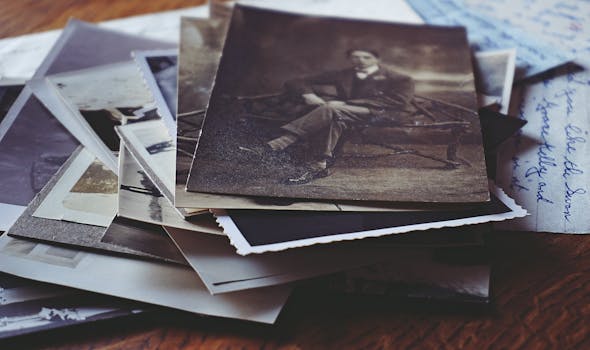
Imagine a detective, but for history! That is a bit like what an Archivist does. An Archivist looks after important old documents, photographs, maps, and even digital files, making sure they are preserved for future generations. These items are called 'archives'. They work in places like museums, universities, libraries, government offices, and even for big companies. Their main job is to collect, organise, preserve, and make sure people can find and use these historical records. So, what does that actually mean day-to-day? An Archivist might spend their time carefully examining old letters, deciding the best way to store them so they do not get damaged, cataloguing them (which is like making a very detailed list of what is there), and helping researchers or members of the public find the information they need. They might also teach people about the archives or create exhibitions. It is a career that requires a love for history, great organisational skills, and a careful, detailed approach to work.

Archivist

Flag Media

Please select a reason for flagging this content.

📊 Statistics

Starting Salary Range

For a new Archivist in the UK, you might expect to earn between 20,000 and 25,000 pounds per year. This can increase quite a lot as you get more experience.

Experienced Salary Range

Experienced Archivists, especially those in senior roles or managing large collections, can earn between 30,000 and 45,000 pounds a year, and sometimes even more.

Number of Positions

While there aren't thousands of Archivist jobs, it's a steady profession. There are hundreds of Archivists working across the UK in places like national archives, universities, local councils, and businesses. The Archives and Records Association UK has a good sense of the community.

🚀 Careers in this path

Flag Media

Please select a reason for flagging this content.

Local History Recorder

Imagine being a detective for your town's past. You'd collect old photos, newspaper clippings, and stories from people who have lived there a long time. You'd make sure these treasures are kept safe so everyone can learn about how your area used to be.

Flag Media

Please select a reason for flagging this content.

Museum Collections Assistant

Picture working in a museum where you help look after all the amazing objects they have. You might carefully clean things, make sure they are stored in the right way, and help prepare them for display. It's like being a special guardian for history!

Flag Media

Please select a reason for flagging this content.

Digital Heritage Creator

This is a cool job where you get to use computers to bring history to life. You could scan old documents or photos to put them online, or even help create virtual tours of historic places so people all over the world can explore them from home.

Discover Your Passion

Explore History and Stories

Get curious about history! Read books, watch documentaries, or visit local museums and historical sites. Think about what stories from the past fascinate you the most.

Start by finding out more about local history. Many towns have a local history society or a small museum. See if you can visit or even look at their websites. You might find out about events or people from your area's past that you never knew about! Understanding what archives are and why they are important for preserving history is a great first step.

Develop Your Research Skills

Practise finding information. This could be for school projects, finding out about your family tree, or even just looking up fun facts online. Learning how to search for reliable information is key.

When you're doing homework or personal projects, try to use different sources of information, not just the first one you find. Think about which sources are trustworthy, like museum websites or academic articles, compared to less reliable ones. This will help you learn to sift through information, which is a big part of an archivist's job.

Visit an Archive or Museum

If you can, visit a local archive, museum, or library's special collections. See how old documents are stored and displayed. Ask questions about what archivists do.

Many larger libraries or university libraries have special collections of old books or local historical documents. Some museums also have archives. Check their websites for visitor information or if they have any open days or virtual tours. Seeing real historical items and how they are looked after can be very inspiring and give you a real feel for the environment archivists work in.

Building Your Foundation

Choose Relevant School Subjects

Focus on subjects like History, English, and perhaps even a language or IT. These subjects will help you develop the skills needed for an archivist role.

History will teach you about different periods and how to interpret historical events and sources. English will improve your reading, writing, and analytical skills, which are crucial for understanding and describing documents. IT skills are becoming increasingly important as more archives are digital. Developing good research and writing skills in these subjects will be a great advantage.

Consider Further Education

After school, you'll typically need to go to university to study a relevant degree. Popular choices include History, Archaeology, English Literature, or Information Management.

Most professional archivist roles require a postgraduate qualification, but a good undergraduate degree is the first step. Look for universities that offer strong programmes in these subjects. During your degree, you can also look for modules that focus on historical research methods, paleography (the study of old handwriting), or digital humanities, which will be very useful.

Gain Work Experience or Volunteer

Look for opportunities to volunteer or do work experience in libraries, museums, or local archives. Even a few days can give you a taste of the job.

Many local archives, record offices, museums, and even historical societies rely on volunteers. While it might not be a direct 'archivist' role, helping with sorting, cataloguing, or digitising collections will give you valuable insight into the behind-the-scenes work. It's also a great way to meet people already working in the field and learn about their experiences.

Becoming an Archivist

Complete a Postgraduate Qualification

To become a qualified archivist in the UK, you will almost certainly need to complete a postgraduate Master's degree in Archives and Records Management.

These specific Master's courses are usually one year full-time or two years part-time and are accredited by the Archives and Records Association (ARA). They cover topics like archival theory, conservation, digital preservation, cataloguing, and management. It's a specialist degree that gives you the professional skills and knowledge needed for the job.

Network and Join Professional Bodies

Connect with other archivists and professionals. Joining organisations like the Archives and Records Association (ARA) can open doors to jobs and training.

The ARA is the main professional body for archivists in the UK. Becoming a student member during your Master's course, or even before, can give you access to conferences, training events, and job listings. Networking with people already in the profession can provide valuable advice, mentorship, and even lead to job opportunities.

Apply for Archivist Roles

Once qualified, start looking for junior archivist, archival assistant, or trainee archivist positions in various institutions. Be prepared for competition!

Archivist roles can be found in a variety of places, including national and local government archives (like The National Archives or County Record Offices), universities, museums, charities, businesses, and even private collections. Entry-level roles often focus on cataloguing, assisting researchers, or supporting digital projects. Gaining experience in these roles will help you progress in your career.

🎬 Useful Videos

🎯 View Apprenticeships

Explore relevant apprenticeships that can help you kickstart your career in Archivist. Apprenticeships offer hands-on experience and training while earning a wage.

Career Progressions

This page showcases various career options and the pathways to reach them. Each career listed here shares transferable skills and knowledge, making it easier for individuals to transition between them.

Your current career is highlighted to help you see how it fits into the broader landscape of potential career choices. By clicking on any career, you can learn more about it, including the training and education required to pursue it.

Remember, progressing in your career often involves further learning and training. This page provides insights into future career options as well as those that can lead up to your current one.

These career progression decisions are informed by comparing the skills and knowledge needed for different occupations, along with data on how people move between them. Explore the possibilities and discover the exciting journey ahead in your career!

Sample Qualifications

How to become

You can get into this job through:

  • a university course
  • an apprenticeship

University

You'll usually need a degree and postgraduate training to do this job. Most degree subjects are accepted for postgraduate study, but you may find it useful to take a degree like:

  • history
  • museum studies
  • information science
  • languages
  • law

After you complete your degree, you can do a postgraduate qualification in archives and records management recognised by the Archives & Records Association (ARA).

It's very important to get some work experience with record collections, which will help when you apply for a postgraduate course.

Contact organisations that hold archives to find work experience opportunities.

Entry requirements

You'll usually need:

  • 2 to 3 A levels, or equivalent, for a degree
  • a degree in any subject for a postgraduate course

More Information

Apprenticeship

You could apply for a place on an Archivist and Records Manager Level 7 Apprenticeship.

This usually takes 3 years to complete as a mix of learning in the workplace and study with an approved university.

Entry requirements

Employers will set their own entry requirements.

More Information

Volunteering

Volunteering in archives or records will help when you apply for courses and jobs.

It's also a great way to find out if a career as an archivist is for you.

More Information

Professional and industry bodies

You can join the Archives & Records Association and get access to industry news, professional development courses and networking events.

You can also join the Information and Records Management Society (IRMS).

The IRMS offers events, resources and the opportunity to apply for accreditation once you have several years' experience in the role.

Further information

You can find more details about careers and training in archives from the Archives & Records Association.

Interested in More Career Paths?

Explore other careers or use our AI to discover personalised paths based on your interests.

Stay connected

Join our newsletter to stay up to date on features and releases

Address
Developing Experts Limited
Exchange Street Buildings
35-37 Exchange Street
Norwich
NR2 1DP
UK

Phone
01603 273515

Email
[email protected]

Copyright 2025 Developing Experts, All rights reserved.
