


Creating Career Path...

Finding Further Careers...

Archivist

View this career for different education levels:

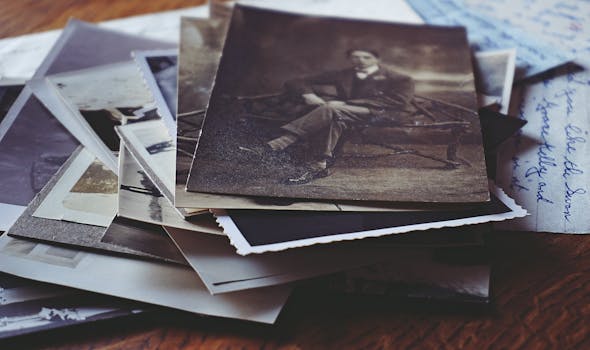
Imagine a super-duper historian who is also a detective! That is a bit like an Archivist. Their main job is to look after old and important papers, photographs, maps, and even digital files that tell us about the past. They make sure these special items are kept safe from damage, like getting wet or dusty. Archivists also organise everything so that people who want to learn about history, like grown-up students or writers, can easily find what they are looking for. They might help someone discover old family letters or find out how a town looked a hundred years ago. It is a bit like being a guardian of memories for everyone. Archivists work in all sorts of interesting places, from big national archives to local museums, universities, and even businesses that have a long history. They need to be very careful and organised, and they love learning new things about the past. Sometimes they even get to wear special gloves to handle very old and delicate items. They are the people who make sure that our history is not lost, but instead saved and shared for many years to come.

Archivist

Flag Media

Please select a reason for flagging this content.

📊 Statistics

Starting Salary

An entry-level Archivist in the UK might expect to earn around 20,000 to 25,000 pounds per year.

Experienced Salary

With more experience, an Archivist can earn between 30,000 and 45,000 pounds per year, and sometimes even more for senior roles.

Number of Positions

The number of Archivist jobs in the UK is quite specialist, with several thousand people working in these roles across various institutions like museums, universities, and local councils.

🚀 Careers in this path

Flag Media

Please select a reason for flagging this content.

Library Helper

Imagine a big room full of books! As a Library Helper, you would help put books back on the shelves in the right order so everyone can find their favourite stories easily. You might also help people find information in books.

Flag Media

Please select a reason for flagging this content.

Museum Curator

A Museum Curator looks after old and interesting things in a museum, just like an archivist looks after old papers. You would help decide what stories the objects tell and how to show them to visitors, making sure they are safe and looked after.

Flag Media

Please select a reason for flagging this content.

Family Historian

A Family Historian is like a detective for your own family's past! You would look at old photos, letters, and documents to find out who your great-grandparents and their families were, where they lived, and what they did. It's like building your family's very own storybook.

Learning and Exploring

Read all about it!

Start by loving books and stories, especially old ones! Read history books, visit museums, and look at old photos.

Spending time in your local library is a fantastic start. Look at the non-fiction sections, especially those about local history or historical events. Ask the librarians if they have any old maps or documents you could look at. Visiting museums can also spark your interest in preserving the past; pay attention to how they display and care for old objects.

Be a History Detective

Ask grown-ups about your family's history! Look at old family photos, letters, or special items and ask 'What's the story behind this?'

Gathering family stories is a great way to practice being a history detective. Ask your grandparents or older relatives about their childhood, where they grew up, and what life was like when they were young. You might discover old photographs or special objects that tell a unique story. Learning to ask good questions and listen carefully is a key skill for an archivist.

Visit an Archive

Ask a grown-up to take you to a local archive or record office. These are places where important old documents are kept safe!

Many towns and cities in the UK have a local archive or record office. These places hold historical documents for the area. Sometimes they have special events or exhibitions for children. You might see very old maps, letters written hundreds of years ago, or even old school registers. It's a chance to see real historical treasures up close and understand how they are cared for.

Developing Skills

Get Good at Research

Learn how to find information. If you have a question, where do you look for the answer? Books, the internet (with a grown-up's help!), or by asking questions.

Research skills are super important for an archivist. When you have a question about something, practise looking it up. Learn to use the index in books or how to search safely online with a parent or teacher. Being able to find information efficiently and understand what you've found is a core part of an archivist's job.

Be Organised!

Practice keeping your own things tidy and organised, like your books, toys, or schoolwork. Archivists need to be very organised!

Imagine having thousands of old documents! An archivist needs to know exactly where everything is so they can find it again. Start by organising your own belongings. Can you put your books in alphabetical order? Can you keep your school notes in folders? This helps you develop the systematic thinking needed to manage large collections of items.

Learn About Computers

Learn how to use computers for writing, searching, and keeping things organised. Many archives use computers to keep track of their collections.

While archives hold old physical items, a lot of the work involves computers. Archivists use databases to record what they have, so people can search for it easily. Learning how to type, save documents, and search for information online are all useful computer skills that will help you in this career. You might even learn about digital archives, which are archives of things like old websites and digital photos.

Future Steps

Study History

When you're older, choose subjects at school that help you learn more about history. History classes will teach you about different times and places.

As you get older, choosing history as a subject at secondary school is a very good idea. You'll learn how to analyse historical sources, understand different periods, and write about the past. Other subjects like English, which helps with reading and writing clearly, and even some science subjects (for understanding how materials age), can also be helpful.

Visit More Archives

As you get older, keep visiting different archives and museums. Maybe you could even ask if you can help out sometimes (volunteering!).

Visiting university archives, national archives (like The National Archives in Kew!), or specialist archives will give you a broader idea of the different types of records archivists look after. When you're a bit older, you might be able to volunteer your time, even for a few hours, to help with small tasks. This is a great way to see what the job is really like and meet people who work there.

Go to University

After school, you'll usually need to go to university to learn how to become a professional archivist. There are special courses for it!

Most professional archivists in the UK have a university degree, often in history, and then go on to do a Master's degree specifically in Archive Administration or Records Management. These postgraduate courses teach you all the practical skills you need, like how to preserve documents, how to describe them so people can find them, and the laws around keeping records. It's an exciting path to become a guardian of history!

🎯 View Apprenticeships

Explore relevant apprenticeships that can help you kickstart your career in Archivist. Apprenticeships offer hands-on experience and training while earning a wage.

Career Progressions

This page showcases various career options and the pathways to reach them. Each career listed here shares transferable skills and knowledge, making it easier for individuals to transition between them.

Your current career is highlighted to help you see how it fits into the broader landscape of potential career choices. By clicking on any career, you can learn more about it, including the training and education required to pursue it.

Remember, progressing in your career often involves further learning and training. This page provides insights into future career options as well as those that can lead up to your current one.

These career progression decisions are informed by comparing the skills and knowledge needed for different occupations, along with data on how people move between them. Explore the possibilities and discover the exciting journey ahead in your career!

Sample Qualifications

How to become

You can get into this job through:

  • a university course
  • an apprenticeship

University

You'll usually need a degree and postgraduate training to do this job. Most degree subjects are accepted for postgraduate study, but you may find it useful to take a degree like:

  • history
  • museum studies
  • information science
  • languages
  • law

After you complete your degree, you can do a postgraduate qualification in archives and records management recognised by the Archives & Records Association (ARA).

It's very important to get some work experience with record collections, which will help when you apply for a postgraduate course.

Contact organisations that hold archives to find work experience opportunities.

Entry requirements

You'll usually need:

  • 2 to 3 A levels, or equivalent, for a degree
  • a degree in any subject for a postgraduate course

More Information

Apprenticeship

You could apply for a place on an Archivist and Records Manager Level 7 Apprenticeship.

This usually takes 3 years to complete as a mix of learning in the workplace and study with an approved university.

Entry requirements

Employers will set their own entry requirements.

More Information

Volunteering

Volunteering in archives or records will help when you apply for courses and jobs.

It's also a great way to find out if a career as an archivist is for you.

More Information

Professional and industry bodies

You can join the Archives & Records Association and get access to industry news, professional development courses and networking events.

You can also join the Information and Records Management Society (IRMS).

The IRMS offers events, resources and the opportunity to apply for accreditation once you have several years' experience in the role.

Further information

You can find more details about careers and training in archives from the Archives & Records Association.

Interested in More Career Paths?

Explore other careers or use our AI to discover personalised paths based on your interests.

Stay connected

Join our newsletter to stay up to date on features and releases

Address
Developing Experts Limited
Exchange Street Buildings
35-37 Exchange Street
Norwich
NR2 1DP
UK

Phone
01603 273515

Email
[email protected]

Copyright 2025 Developing Experts, All rights reserved.