Creating Career Path...

Finding Further Careers...

Plumber

View this career for different education levels:

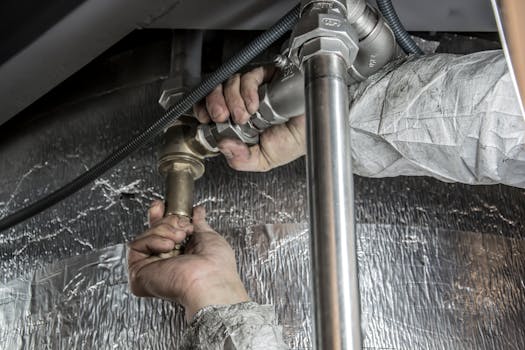
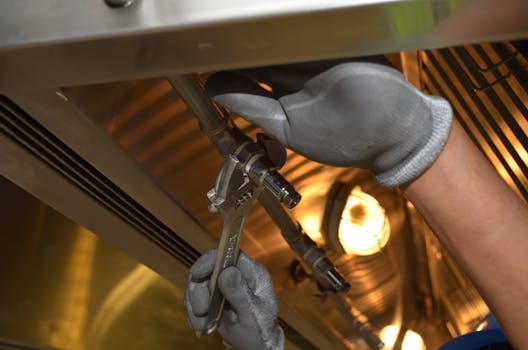
Imagine a world without warm baths, clean drinking water, or toilets that flush properly! That's where a plumber comes in. A plumber is a super important person who works with all the pipes and watery bits in our homes, schools, and offices. They fix leaky taps, unblock drains, install new toilets and sinks, and even put in central heating systems to keep us warm in winter. They use lots of different tools like spanners, wrenches, and special cameras to see inside pipes. It's a job where you get to solve puzzles every day and help people when they have a problem with their water or heating. You need to be good at figuring things out, enjoy getting a bit hands-on, and be able to talk to people nicely. Plumbers often work in different places every day, from big buildings to people's houses. They might be fixing a burst pipe in the morning and then installing a brand new shower in the afternoon. It's a job that keeps you active and where you learn new things all the time. Being a plumber means you're a bit of a superhero, making sure everyone has clean water and warm homes!

Plumber

Flag Media

Please select a reason for flagging this content.

📊 Statistics

Average Salary

A plumber in the UK can earn between 25,000 and 45,000 pounds a year, especially once they have some experience. That's a lot of pocket money!

Number of Jobs

There are over 100,000 plumbers working across the UK, making sure homes and businesses have working water and heating. That's like a whole stadium full of plumbers!

Starting Salary

When you're just starting out as an apprentice plumber, you might earn around 15,000 to 20,000 pounds a year while you're learning the ropes.

🚀 Careers in this path

Flag Media

Please select a reason for flagging this content.

Pipe Fixer

You could be a super helper who fixes leaky pipes under sinks or in bathrooms, making sure no water goes where it shouldn't!

Flag Media

Please select a reason for flagging this content.

Toilet Tamer

Imagine being the person who makes sure all the toilets are working perfectly, flushing properly every time so everything is clean and tidy.

Flag Media

Please select a reason for flagging this content.

Tap Repairer

You could be brilliant at mending wobbly taps or ones that drip drip drip all day, making them good as new so they just make water come out when you want it to.

Learning About Water

Be Curious About Water

Start by noticing how water works in your home. Where does it come from? Where does it go after you flush the toilet or wash your hands?

When you flush the toilet, the water goes down a pipe and then into bigger pipes that take it away from your house. When you turn on the tap, fresh water comes into your house through other pipes. Learning about these journeys helps you understand what a plumber does.

Play with Water Safely

You can learn a lot by playing with water, like understanding how it flows or what happens when you block it. Always have a grown-up with you!

Try building small dams with sand and water, or experimenting with different shaped containers to see how water fills them. This helps you understand pressure and flow, which are big parts of plumbing. Remember to always ask an adult before doing any water play.

Ask a Plumber Questions

If you ever meet a plumber, ask them about their job! They can tell you all sorts of interesting things about pipes and water.

Most plumbers are happy to talk about their work. You could ask them about the tools they use, the types of problems they fix, or what they enjoy most about their job. Hearing from a real plumber can be very inspiring!

Helping Hands

Help with Simple Chores

Learn to help with things around the house that involve water, like washing dishes or watering plants. This teaches you to be careful with water.

When you wash dishes, you're using a sink and taps, just like a plumber installs! Watering plants teaches you about how water soaks into things and how much water different things need. These are small steps, but they build good habits.

Understand Tools

Learn about different tools that grown-ups use for fixing things, even if you just look at them and ask what they do.

Plumbers use lots of special tools like wrenches, pipe cutters, and pliers. Ask a grown-up what these tools are for and how they help fix things. You might even find some toy tools to play with and pretend you're a plumber!

Problem Solving Games

Play games that make you think about how to solve problems, like puzzles or building blocks. Plumbers are very good at solving problems!

Plumbers often have to figure out why a pipe is leaking or why water isn't flowing properly. Games where you have to connect pieces or figure out how things fit together are great for training your brain to think like a problem-solver.

Future Steps

Learn About Science in School

When you go to school, pay attention in science class, especially when you learn about water and how things work.

Science lessons teach you about gravity, pressure, and how different materials react to water. All of this knowledge is really useful for a plumber. For example, understanding why water flows downhill is super important!

Join a DIY Club (When Older)

When you're a bit older, you might be able to join clubs that teach you how to build or fix things. This is a great way to learn practical skills.

Many schools or community centres have clubs where you can learn 'Do It Yourself' skills. These might include using tools safely, building small projects, or even learning about simple home repairs. These skills are a fantastic start for a future plumber.

Consider an Apprenticeship

After you finish school, you could do an apprenticeship where you learn on the job with an experienced plumber. This is how many plumbers learn their trade!

An apprenticeship means you work for a company and learn from expert plumbers, getting paid while you learn! You'd go to college a few days a week to learn the theory, and then spend the rest of your time working and practising your skills. It's a brilliant way to become a qualified plumber.

🎬 Useful Videos

🎯 View Apprenticeships

Explore relevant apprenticeships that can help you kickstart your career in Plumber. Apprenticeships offer hands-on experience and training while earning a wage.

Career Progressions

This page showcases various career options and the pathways to reach them. Each career listed here shares transferable skills and knowledge, making it easier for individuals to transition between them.

Your current career is highlighted to help you see how it fits into the broader landscape of potential career choices. By clicking on any career, you can learn more about it, including the training and education required to pursue it.

Remember, progressing in your career often involves further learning and training. This page provides insights into future career options as well as those that can lead up to your current one.

These career progression decisions are informed by comparing the skills and knowledge needed for different occupations, along with data on how people move between them. Explore the possibilities and discover the exciting journey ahead in your career!

Sample Qualifications

How to become

You can get into this job through:

  • a college course
  • an apprenticeship
  • working towards this role
  • applying directly

College

You could complete a college course which may help you to find a trainee position with a plumbing company. 

Courses include:

  • plumbing studies
  • plumbing and domestic heating
  • T Level in Building Services Engineering for Construction

Entry requirements

Entry requirements for these courses vary.

  • 4 or 5 GCSEs at grades 9 to 4 (A* to C), or equivalent, including English and maths for a T Level

More Information

Apprenticeship

You can apply to do a Level 3 Advanced Apprenticeship to learn the skills needed to become a plumber. Apprenticeships include:

  • Plumbing and Domestic Heating Technician
  • Building Services Engineering Craftsperson
  • Gas Engineering Operative

You could also do a Low Carbon Heating Technician Level 3 Advanced Apprenticeship, if you want to become a heat pump engineer.

Foundation apprenticeship

You may be able to start in an assistant role by doing a Building Services Engineering Level 2 Foundation Apprenticeship.

You can apply for a foundation apprenticeship if you're aged 16 to 21.

If you're aged 22 to 24, you can apply if you:

Entry requirements

You'll usually need:

  • no specific qualifications or experience to apply for a foundation apprenticeship
  • 5 GCSEs at grades 9 to 4 (A* to C), or equivalent, including English and maths, for an advanced apprenticeship

More Information

Work

You may be able to start as a plumber's assistant or 'mate' and train on the job to qualify.

You'll usually need some GCSEs, including English and maths, along with good practical skills.

Direct Application

You could apply directly for jobs if you've got qualifications and several years' experience from related industries, like building services or heating and ventilation engineering.

More Information

Registration

Professional and industry bodies

You can join the Chartered Institute of Plumbing and Heating Engineering for professional development training and industry news.

Further information

You can find out more about becoming a plumber from the Chartered Institute of Plumbing and Heating Engineering and Go Construct.

Interested in More Career Paths?

Explore other careers or use our AI to discover personalised paths based on your interests.

Stay connected

Join our newsletter to stay up to date on features and releases

Address
Developing Experts Limited
Exchange Street Buildings
35-37 Exchange Street
Norwich
NR2 1DP
UK

Phone
01603 273515

Email
[email protected]

Copyright 2025 Developing Experts, All rights reserved.