Creating Career Path...

Finding Further Careers...

Plumber

View this career for different education levels:

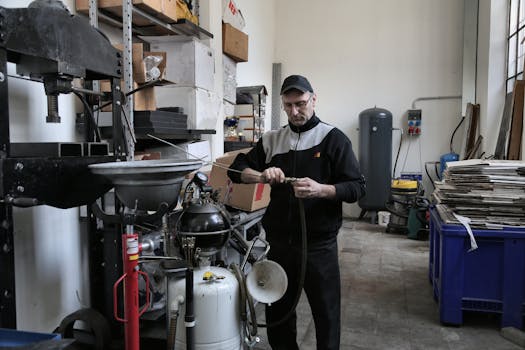
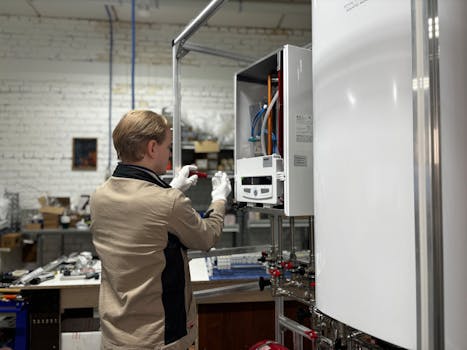
A plumber in the UK is a skilled tradesperson responsible for installing, maintaining, and repairing water supply systems, waste disposal systems, and related appliances and fixtures. This can involve anything from fixing a leaky tap or burst pipe, to installing entire bathroom suites, central heating systems, and drainage networks in new builds or renovations. You'll work with a variety of materials and tools, needing a good understanding of pipework, water pressure, and safety regulations. The role often requires problem-solving skills, as you'll be diagnosing issues and finding practical solutions. Plumbers often work on-site, which could be in residential homes, commercial properties, or industrial settings, and you might find yourself responding to emergency call-outs outside of regular hours. Becoming a qualified plumber typically involves undertaking an apprenticeship or completing a college course, such as an NVQ Level 2 or 3 in Plumbing and Heating. Health and safety is paramount in this role, especially when working with gas (which requires specific Gas Safe registration) or at heights. You'll need to be physically fit, have good manual dexterity, and possess excellent customer service skills, as you'll often be interacting directly with clients. Many plumbers also choose to become self-employed, offering flexibility and potentially higher earning potential.

Plumber

Flag Media

Please select a reason for flagging this content.

📊 Statistics

Average Salary Range (UK)

For experienced plumbers in the UK, the salary typically ranges from 30,000 to 45,000 pounds per year. Starting salaries for newly qualified plumbers might be around 20,000 to 25,000 pounds, while highly experienced or self-employed plumbers in high-demand areas could earn 50,000 pounds or more.

Number of Plumbers in the UK

While exact real-time figures fluctuate, the construction and skilled trades sector in the UK employs hundreds of thousands of individuals. It is estimated that there are over 100,000 registered plumbers operating across the UK, a figure that includes both employed and self-employed professionals.

Demand for Plumbers

The demand for skilled plumbers remains consistently high across the UK. According to various industry reports and job market analyses, plumbing is often listed as a trade with ongoing skills shortages, meaning there are good job prospects for qualified individuals.

🚀 Careers in this path

Flag Media

Please select a reason for flagging this content.

Heating Engineer

Specialises in installing, maintaining, and repairing central heating systems, including boilers and radiators. This often involves working with gas or renewable energy sources, requiring specific certifications like Gas Safe registration.

Flag Media

Please select a reason for flagging this content.

Pipefitter

Works with high-pressure piping systems in industrial settings, such as power plants, manufacturing facilities, or oil and gas sites. This role often involves more complex blueprint reading and welding skills than general plumbing.

Flag Media

Please select a reason for flagging this content.

Renewable Energy Installer

Focuses on the installation and maintenance of eco-friendly heating and hot water systems, such as solar thermal panels, air source heat pumps, or ground source heat pumps. This is a growing field with strong future prospects.

Foundation & Research

Understand the Role

Gain a clear understanding of what a Plumber does day-to-day, including the types of tasks, environments, and challenges involved.

Researching the role involves looking at job descriptions, watching 'day in the life' videos of plumbers, and understanding the core responsibilities. Consider if you're comfortable with hands-on work, problem-solving, and potentially working in various settings like homes, construction sites, or commercial buildings. You'll need to be physically fit and able to work in confined spaces or at heights sometimes.

Academic Requirements

Identify the entry requirements and qualifications typically needed to start a plumbing career in the UK.

While specific GCSEs aren't always mandatory for an apprenticeship, having passes (grade 4/C or above) in Maths, English, and Science can significantly strengthen your application. Many college courses or apprenticeships will look for these as a baseline. If you don't have them, don't worry, many colleges offer functional skills courses to help you achieve these qualifications.

Explore Training Routes

Investigate the different pathways available to become a qualified Plumber in the UK, such as apprenticeships or college courses.

There are primarily two main routes: an apprenticeship or a full-time college course. Apprenticeships are fantastic as you learn on the job, earning a wage while gaining practical skills and theoretical knowledge, usually leading to an NVQ or SVQ. College courses, such as a Level 2 or 3 Diploma in Plumbing and Heating, offer a structured learning environment before you seek employment. Both routes are respected and lead to qualified plumber status.

Gaining Qualifications

Apprenticeship Application

Search and apply for plumbing apprenticeships with local companies or larger organisations.

Apprenticeships are widely available across the UK. You can look on government websites like 'Find an Apprenticeship', employer websites, or through local colleges. When applying, highlight any practical skills, problem-solving abilities, and your keen interest in the trade. Employers often value enthusiasm and a willingness to learn above extensive prior experience. Make sure your CV is up-to-date and clearly outlines any relevant experience or hobbies.

College Course Enrolment

Enrol in a relevant plumbing and heating course at a further education college.

If you opt for a college course, you'll typically start with a Level 2 Diploma in Plumbing and Heating, which covers the fundamentals. Following this, many progress to a Level 3 Diploma for more advanced skills. These courses provide theoretical knowledge alongside practical workshop sessions. Colleges often have strong links with local employers, which can be beneficial for future work experience or job opportunities.

Work Experience

Seek out opportunities for work experience if you are studying at college to complement your academic learning.

Even if you're on a college course, practical experience is invaluable. Contact local plumbing firms, sole traders, or construction companies to see if you can shadow them, volunteer, or undertake short-term work experience. This will give you hands-on exposure to real-world scenarios and help you build a network within the industry. It also looks great on your CV when applying for jobs.

Career Development

Obtain Industry Certifications

Pursue additional certifications to specialise or enhance your skills, such as Gas Safe registration.

Once you are a qualified plumber, you might consider specialising. For instance, if you want to work with gas boilers and appliances, becoming Gas Safe registered is a legal requirement. This involves further training and assessment to demonstrate competence and safety. Other areas of specialisation include renewable energy systems, commercial plumbing, or bathroom fitting. These certifications can significantly boost your earning potential and career opportunities.

Continuous Professional Development (CPD)

Stay updated with the latest plumbing technologies, regulations, and best practices.

The plumbing industry is constantly evolving with new materials, technologies (like smart home systems or heat pumps), and building regulations. Attending workshops, industry events, reading trade journals, and undertaking short courses are all ways to keep your skills sharp and relevant. This continuous learning ensures you remain competitive and can offer the most up-to-date solutions to clients.

Consider Self-Employment

Explore the possibility of setting up your own plumbing business once you have sufficient experience.

Many experienced plumbers choose to become self-employed. This gives you greater control over your work, schedule, and earnings. You'll need to develop business skills such as marketing, managing finances, quoting for jobs, and customer service. It's often advisable to gain several years of experience working for an established company first to build your expertise and confidence before venturing out on your own.

🎬 Useful Videos

🎯 View Apprenticeships

Explore relevant apprenticeships that can help you kickstart your career in Plumber. Apprenticeships offer hands-on experience and training while earning a wage.

Career Progressions

This page showcases various career options and the pathways to reach them. Each career listed here shares transferable skills and knowledge, making it easier for individuals to transition between them.

Your current career is highlighted to help you see how it fits into the broader landscape of potential career choices. By clicking on any career, you can learn more about it, including the training and education required to pursue it.

Remember, progressing in your career often involves further learning and training. This page provides insights into future career options as well as those that can lead up to your current one.

These career progression decisions are informed by comparing the skills and knowledge needed for different occupations, along with data on how people move between them. Explore the possibilities and discover the exciting journey ahead in your career!

Sample Qualifications

How to become

You can get into this job through:

  • a college course
  • an apprenticeship
  • working towards this role
  • applying directly

College

You could complete a college course which may help you to find a trainee position with a plumbing company. 

Courses include:

  • plumbing studies
  • plumbing and domestic heating
  • T Level in Building Services Engineering for Construction

Entry requirements

Entry requirements for these courses vary.

  • 4 or 5 GCSEs at grades 9 to 4 (A* to C), or equivalent, including English and maths for a T Level

More Information

Apprenticeship

You can apply to do a Level 3 Advanced Apprenticeship to learn the skills needed to become a plumber. Apprenticeships include:

  • Plumbing and Domestic Heating Technician
  • Building Services Engineering Craftsperson
  • Gas Engineering Operative

You could also do a Low Carbon Heating Technician Level 3 Advanced Apprenticeship, if you want to become a heat pump engineer.

Foundation apprenticeship

You may be able to start in an assistant role by doing a Building Services Engineering Level 2 Foundation Apprenticeship.

You can apply for a foundation apprenticeship if you're aged 16 to 21.

If you're aged 22 to 24, you can apply if you:

Entry requirements

You'll usually need:

  • no specific qualifications or experience to apply for a foundation apprenticeship
  • 5 GCSEs at grades 9 to 4 (A* to C), or equivalent, including English and maths, for an advanced apprenticeship

More Information

Work

You may be able to start as a plumber's assistant or 'mate' and train on the job to qualify.

You'll usually need some GCSEs, including English and maths, along with good practical skills.

Direct Application

You could apply directly for jobs if you've got qualifications and several years' experience from related industries, like building services or heating and ventilation engineering.

More Information

Registration

Professional and industry bodies

You can join the Chartered Institute of Plumbing and Heating Engineering for professional development training and industry news.

Further information

You can find out more about becoming a plumber from the Chartered Institute of Plumbing and Heating Engineering and Go Construct.

Interested in More Career Paths?

Explore other careers or use our AI to discover personalised paths based on your interests.

Stay connected

Join our newsletter to stay up to date on features and releases

Address
Developing Experts Limited
Exchange Street Buildings
35-37 Exchange Street
Norwich
NR2 1DP
UK

Phone
01603 273515

Email
[email protected]

Copyright 2025 Developing Experts, All rights reserved.