Creating Career Path...

Finding Further Careers...

Wildlife Conservationist

View this career for different education levels:

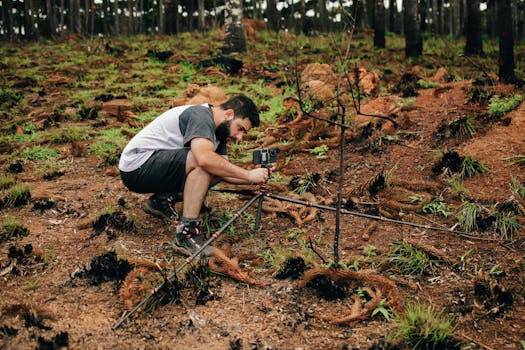
A Wildlife Conservationist in the UK plays a vital role in protecting and managing the country's diverse natural habitats and the species that live within them. This career is incredibly varied, often combining fieldwork with research, community engagement, and policy development. You could find yourself conducting species surveys, monitoring populations, restoring habitats like woodlands or wetlands, or educating the public about the importance of biodiversity. Many roles involve practical tasks such as fencing, planting trees, or removing invasive species. Beyond the hands-on work, conservationists often engage with local communities, landowners, and stakeholders, advocating for sustainable practices and helping to implement conservation strategies. It's a challenging but deeply rewarding career for those passionate about the natural world. Day-to-day activities can differ greatly depending on the organisation and specific role. You might be working for a national park, a wildlife trust, a government agency like Natural England, or an environmental consultancy. This could involve analysing data, writing reports, applying for grants, managing volunteers, or contributing to policy development aimed at protecting endangered species or sensitive ecosystems. A strong understanding of ecology, environmental science, and UK wildlife legislation is essential. The work often requires resilience, adaptability, and a willingness to work outdoors in all weather conditions, sometimes in remote locations.

Wildlife Conservationist

Flag Media

Please select a reason for flagging this content.

📊 Statistics

Average Salary Range

Starting salaries for Wildlife Conservationists in the UK typically range from 18,000 to 25,000 pounds per year. With experience, this can rise to 28,000 to 35,000 pounds, and senior roles or specialised positions can command salaries upwards of 40,000 pounds.

Number of Positions

While precise numbers are hard to pin down due to the varied nature of the sector, the environmental and conservation sector in the UK employs a significant number of people. Thousands of roles exist across charities, government bodies, and private consultancies, though competition for entry-level positions can be high.

Job Growth Outlook

The demand for conservation efforts is steadily increasing in the UK, driven by environmental concerns and legislative requirements. This suggests a stable to slightly growing job market, particularly for those with specialised skills or postgraduate qualifications.

🚀 Careers in this path

Flag Media

Please select a reason for flagging this content.

Ecological Consultant

An Ecological Consultant assesses the environmental impact of development projects, conducting surveys for protected species and habitats, and advising clients on how to mitigate negative effects and ensure compliance with UK wildlife law. This role often involves fieldwork and report writing, offering a practical application of conservation principles in a commercial context.

Flag Media

Please select a reason for flagging this content.

Conservation Education Officer

A Conservation Education Officer designs and delivers engaging educational programmes and workshops for various age groups, often at nature reserves, zoos, or wildlife centres. Their goal is to raise awareness about wildlife conservation, inspire action, and foster a deeper connection to the natural world. This role combines scientific knowledge with strong communication skills.

Flag Media

Please select a reason for flagging this content.

Wildlife Field Biologist

A Wildlife Field Biologist specialises in collecting data on specific animal populations or ecosystems through fieldwork. This could involve tracking, monitoring, surveying, and sample collection to inform conservation strategies, research projects, or wildlife management decisions. Roles often focus on particular species or habitats and can involve working for research institutions, charities, or governmental bodies.

Build a Strong Foundation

Get the Right Qualifications

A degree in a relevant subject is usually essential for a career in wildlife conservation.

Look for undergraduate degrees in subjects like Biology, Zoology, Ecology, Environmental Science, or Conservation Biology. Many universities in the UK offer specialised courses that will equip you with the theoretical knowledge and practical skills needed. Consider options with a strong field-based component or opportunities for placements.

Gain Practical Experience through Volunteering

Volunteering is crucial for developing practical skills and demonstrating your commitment.

Seek out volunteering opportunities with wildlife trusts, nature reserves, charities like the RSPB, or even local conservation groups. This could involve habitat management, species monitoring, visitor engagement, or data collection. Hands-on experience is highly valued by employers and will help you confirm if this is the right path for you. Start early in your degree or even during breaks.

Develop Key Skills

Beyond academic knowledge, certain skills are vital for a conservationist.

Focus on developing skills in areas such as fieldwork techniques (e.g., surveying, sampling), data analysis, report writing, communication (both written and verbal), problem-solving, and teamwork. Being proficient in IT and having a full driving licence are often also highly beneficial, as much conservation work involves travel to remote sites.

Specialise and Network

Consider Further Education

A Master's degree can open up more specialised roles and research opportunities.

Many conservation roles, especially those in research or management, prefer or require a Master's degree. Look into MSc programmes in specific areas like Conservation Science, Wildlife Management, Marine Biology, or particular ecological specialisms. This allows you to deepen your expertise and become more competitive in the job market.

Network within the Conservation Sector

Building connections is incredibly important for career progression.

Attend conferences, workshops, and events hosted by conservation organisations. Join professional bodies like the Chartered Institute of Ecology and Environmental Management (CIEEM) or the British Ecological Society. LinkedIn can also be a powerful tool for connecting with professionals and discovering opportunities. Networking can lead to mentorships, job leads, and collaborative projects.

Undertake Internships or Work Experience

Structured internships offer valuable insight and practical training.

Many larger conservation organisations offer paid or unpaid internships. These can provide more in-depth experience than short-term volunteering, often involving specific projects or roles. They are an excellent way to gain specific skills, understand organisational structures, and add significant weight to your CV.

Secure Your First Role

Tailor Your Applications

Ensure your CV and cover letter highlight relevant experience and skills for each job.

Don't send generic applications. Research the organisation and the specific role thoroughly. Emphasise how your education, volunteering, and skills directly match the job description. Provide concrete examples of your achievements and contributions, showcasing your passion and understanding of conservation issues.

Prepare for Interviews

Be ready to discuss your experience, motivations, and problem-solving abilities.

Interviews for conservation roles often involve competency-based questions. Practice articulating how your experiences demonstrate key skills like teamwork, problem-solving, communication, and resilience. Be prepared to talk about your understanding of conservation challenges and your commitment to the field.

Start in Entry-Level Roles

Your first job might be an assistant or field-based role, providing further essential experience.

Don't expect to jump straight into a senior position. Entry-level roles like 'Assistant Ecologist', 'Reserve Warden Assistant', 'Field Assistant', or 'Project Support Officer' are common starting points. These positions offer invaluable on-the-job training and a chance to build your professional network within the sector, paving the way for future specialisation and progression.

🎬 Useful Videos

🎯 View Apprenticeships

Explore relevant apprenticeships that can help you kickstart your career in Wildlife Conservationist. Apprenticeships offer hands-on experience and training while earning a wage.

Career Progressions

This page showcases various career options and the pathways to reach them. Each career listed here shares transferable skills and knowledge, making it easier for individuals to transition between them.

Your current career is highlighted to help you see how it fits into the broader landscape of potential career choices. By clicking on any career, you can learn more about it, including the training and education required to pursue it.

Remember, progressing in your career often involves further learning and training. This page provides insights into future career options as well as those that can lead up to your current one.

These career progression decisions are informed by comparing the skills and knowledge needed for different occupations, along with data on how people move between them. Explore the possibilities and discover the exciting journey ahead in your career!

Sample Qualifications

A wildlife conservationist typically has qualifications in ecology and conservation biology, with fieldwork such as habitat assessment and species monitoring. This aligns closely with the role of an ecologist, who studies ecosystems to inform conservation actions and policy.

How to become

You can get into this job through a university course or an apprenticeship.

University

You'll need a degree or postgraduate qualification in a subject like:

  • ecology
  • ecology and environmental sustainability
  • conservation, marine or plant biology
  • environmental science
  • zoology

Entry requirements

You'll usually need:

  • 2 to 3 A levels, or equivalent, for a degree
  • a degree in a relevant subject for postgraduate study

More Information

Apprenticeship

You might be able to start by applying for an Ecologist Level 7 Degree Apprenticeship.

This usually takes around 3 years to complete.

Entry requirements

You'll usually need:

  • a degree in a relevant subject

More Information

Volunteering

Volunteering is a great way to get practical experience and skills, meet new people and develop useful contacts. This might improve your chances of finding work.

You can find volunteering opportunities with:

More Information

Professional and industry bodies

You can join the British Ecological Society, which offers mentoring from experienced ecologists, research news, and education and job search support.

Further information

You can find more details about careers in ecology through the Chartered Institute of Ecology and Environmental Management and Green Jobs for Nature.

Interested in More Career Paths?

Explore other careers or use our AI to discover personalised paths based on your interests.

Stay connected

Join our newsletter to stay up to date on features and releases

Address
Developing Experts Limited
Exchange Street Buildings
35-37 Exchange Street
Norwich
NR2 1DP
UK

Phone
01603 273515

Email
[email protected]

Copyright 2025 Developing Experts, All rights reserved.
