Creating Career Path...

Finding Further Careers...

Wildlife Conservationist

View this career for different education levels:

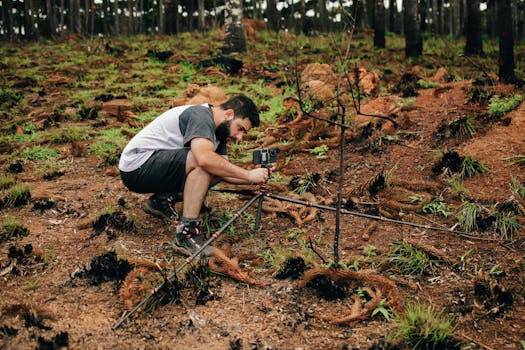
A Wildlife Conservationist is someone who works to protect animals, plants, and their natural homes (habitats) in the UK. This can involve lots of different tasks, like surveying animal populations to see how many there are, helping to restore damaged natural areas, or educating people about why it's important to look after our wildlife. You might spend time outdoors in all weathers, monitoring birds, planting trees, or even helping with specific projects like reintroducing certain species back into areas where they used to live. It's a job where you get to make a real difference to the environment and the amazing creatures we share our country with. Being a wildlife conservationist often means you need to be passionate about nature, willing to learn, and prepared for both physical work and scientific study. You could be working for a big charity like the RSPB or Wildlife Trusts, for a government agency like Natural England, or for a smaller local organisation. It's a very rewarding career for anyone who loves animals and wants to protect our planet for future generations.

Wildlife Conservationist

Flag Media

Please select a reason for flagging this content.

📊 Statistics

Average Starting Salary

For someone just starting out in wildlife conservation in the UK, you might expect to earn around 20,000 to 25,000 pounds a year. This can increase as you get more experience!

Experienced Salary Range

With more experience, perhaps after several years, a wildlife conservationist in the UK could earn between 28,000 and 40,000 pounds annually. Senior roles or specialised positions can pay even more.

Job Openings

While it's a competitive field, there are hundreds of job openings for wildlife conservationists and related roles across the UK each year, advertised by charities, government bodies, and private companies.

🚀 Careers in this path

Flag Media

Please select a reason for flagging this content.

Ecological Consultant for Nature Reserves

Imagine being a detective for nature! An Ecological Consultant works for places like RSPB reserves or National Trust sites. You'd survey wildlife and plants, figure out what they need to thrive, and help design plans to protect them. It's like being a super-smart nature architect!

Flag Media

Please select a reason for flagging this content.

Marine Mammal Rescuer

If you love the ocean and its amazing creatures, this could be for you! A Marine Mammal Rescuer helps seals, dolphins, and whales that might be stranded or injured around the UK coastline. You'd learn how to safely assist them and get them back to health, often working with organisations like the British Divers Marine Life Rescue.

Flag Media

Please select a reason for flagging this content.

Wildlife Photographer and Educator

Do you love taking pictures and sharing amazing facts? A Wildlife Photographer and Educator combines both! You'd spend time in nature, capturing incredible photos of British wildlife, and then use those pictures to teach people (maybe even other students!) about the importance of protecting our natural world, perhaps working with a local wildlife trust.

Exploring Your Interest

Learn about local wildlife

Start by learning about the animals and plants in your local area. What makes them special? Are there any threats to their survival?

You can do this by visiting local parks, nature reserves, or even just looking in your garden. Use field guides or online resources to identify different species. Understanding your local environment is the first step to appreciating and wanting to protect wildlife on a larger scale. Look for local wildlife trusts or conservation groups that might have information about specific species in your region.

Watch documentaries and read books

Immerse yourself in the world of wildlife conservation through engaging documentaries and informative books.

There are many amazing documentaries about wildlife from all over the world, presented by people like Sir David Attenborough. Reading books about different ecosystems, endangered species, and the work of conservationists can inspire you and help you understand the challenges and rewards of this career. Look for books aimed at your age group or those with captivating photography.

Join a wildlife club or group

See if your school or a local organisation has a wildlife or nature club you can join.

Being part of a group allows you to share your interest with others, learn from experienced volunteers or leaders, and participate in practical activities like nature walks, litter picks in green spaces, or even helping to build bird boxes. This hands-on experience is invaluable for developing a deeper connection to nature and understanding group efforts in conservation.

Developing Skills & Knowledge

Focus on science subjects

At school, pay attention in subjects like Biology, Geography, and Environmental Science.

These subjects will give you a strong foundation in understanding ecosystems, animal behaviour, environmental issues, and the scientific methods used in conservation. Doing well in these subjects will be really helpful if you decide to go to university later to study a related degree like Zoology, Ecology, or Conservation Biology.

Volunteer at a nature reserve or animal sanctuary

Gain practical experience by volunteering at a local nature reserve, wildlife trust, or animal sanctuary.

Even simple tasks like helping with upkeep, monitoring pathways, or assisting with educational programmes can give you a taste of what conservation work involves. It's a great way to meet people who work in the field and learn about different conservation techniques firsthand. Always check with a responsible adult about volunteering opportunities and safety.

Learn about environmental issues

Understand the big environmental challenges facing our planet, like climate change, deforestation, and pollution.

Being aware of these global issues helps you see the bigger picture of why wildlife conservation is so important. You can research these topics online, read news articles, or discuss them in school. Understanding these challenges is key to finding solutions and becoming an effective advocate for nature.

Future Pathways & Education

Consider further education

Think about studying a relevant subject at college or university, such as Zoology, Ecology, or Conservation Biology.

Many wildlife conservation roles require a degree. These courses will teach you in-depth about animal science, environmental management, fieldwork techniques, and conservation strategies. Research different universities and their programmes to see what interests you most and what entry requirements they have.

Gain more practical experience

Look for internships or more advanced volunteering opportunities during college holidays or after your studies.

More specialised experience, perhaps abroad or with larger conservation organisations, will be really valuable for your CV and for making connections in the industry. This could involve assisting with research projects, wildlife monitoring, or habitat restoration. These experiences often lead to your first paid roles in conservation.

Network with professionals

Connect with people who already work in wildlife conservation.

Attend online webinars, conservation events, or career fairs to meet professionals. They can offer advice, share their experiences, and sometimes even point you towards job opportunities. Building a network of contacts can be very helpful when you're looking for your first job in this competitive field.

🎬 Useful Videos

🎯 View Apprenticeships

Explore relevant apprenticeships that can help you kickstart your career in Wildlife Conservationist. Apprenticeships offer hands-on experience and training while earning a wage.

Career Progressions

This page showcases various career options and the pathways to reach them. Each career listed here shares transferable skills and knowledge, making it easier for individuals to transition between them.

Your current career is highlighted to help you see how it fits into the broader landscape of potential career choices. By clicking on any career, you can learn more about it, including the training and education required to pursue it.

Remember, progressing in your career often involves further learning and training. This page provides insights into future career options as well as those that can lead up to your current one.

These career progression decisions are informed by comparing the skills and knowledge needed for different occupations, along with data on how people move between them. Explore the possibilities and discover the exciting journey ahead in your career!

Sample Qualifications

Wildlife Conservationists and Ecologists both study species and habitats to inform conservation actions, and involve field surveys, data analysis, and habitat management. They typically share qualifications such as a relevant degree (for example in ecology or environmental science), experience with wildlife monitoring, and the ability to work with stakeholders to translate scientific findings into practical conservation outcomes.

How to become

You can get into this job through a university course or an apprenticeship.

University

You'll need a degree or postgraduate qualification in a subject like:

  • ecology
  • ecology and environmental sustainability
  • conservation, marine or plant biology
  • environmental science
  • zoology

Entry requirements

You'll usually need:

  • 2 to 3 A levels, or equivalent, for a degree
  • a degree in a relevant subject for postgraduate study

More Information

Apprenticeship

You might be able to start by applying for an Ecologist Level 7 Degree Apprenticeship.

This usually takes around 3 years to complete.

Entry requirements

You'll usually need:

  • a degree in a relevant subject

More Information

Volunteering

Volunteering is a great way to get practical experience and skills, meet new people and develop useful contacts. This might improve your chances of finding work.

You can find volunteering opportunities with:

More Information

Professional and industry bodies

You can join the British Ecological Society, which offers mentoring from experienced ecologists, research news, and education and job search support.

Further information

You can find more details about careers in ecology through the Chartered Institute of Ecology and Environmental Management and Green Jobs for Nature.

Interested in More Career Paths?

Explore other careers or use our AI to discover personalised paths based on your interests.

Stay connected

Join our newsletter to stay up to date on features and releases

Address
Developing Experts Limited
Exchange Street Buildings
35-37 Exchange Street
Norwich
NR2 1DP
UK

Phone
01603 273515

Email
[email protected]

Copyright 2025 Developing Experts, All rights reserved.
