


Creating Career Path...

Finding Further Careers...

Film Director

View this career for different education levels:

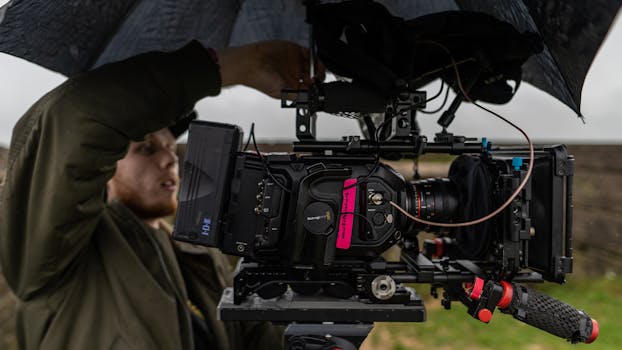
A film director is responsible for overseeing the creative aspects of a film, guiding actors, and working closely with the production team to bring a script to life. Directors make decisions about the visual style, pacing, and storytelling of a film, often collaborating with writers, cinematographers, and editors. The job can involve long hours, problem-solving, and strong leadership skills. Directors may work on feature films, television dramas, or short films, and they often need to build a reputation through smaller projects before moving onto larger productions.

Film Director

Flag Media

Please select a reason for flagging this content.

📊 Statistics

Average Salary

Film directors in the UK typically earn between £25,000 and £100,000 per year, depending on experience and the size of the production.

Employment Numbers

There are approximately 13,000 people working in film, TV, video and audio roles in the UK, with directors making up a significant proportion.

Industry Growth

The UK film and screen industries contributed over £6 billion to the economy in 2022, showing steady growth and demand for creative roles.

🚀 Careers in this path

Flag Media

Please select a reason for flagging this content.

Documentary Film Director

Directs factual films that explore real-life events, people, or issues, often working with small teams to create impactful stories.

Flag Media

Please select a reason for flagging this content.

Short Film Director

Specialises in directing short films, which are typically under 40 minutes, providing opportunities to experiment with storytelling and showcase creative ideas.

Flag Media

Please select a reason for flagging this content.

Music Video Director

Creates and directs music videos for artists and bands, combining visual storytelling with musical elements to promote songs.

Build Foundational Knowledge

Study Film and Media

Take relevant courses such as Film Studies, Media Studies, or English at GCSE and A-level.

Studying subjects like Film Studies or Media Studies at school will help you understand the basics of storytelling, film history, and critical analysis. English can also be useful for developing your narrative skills. Many colleges and sixth forms offer A-levels or BTECs in Media Production.

Watch and Analyse Films

Regularly watch a wide variety of films and analyse how they are made.

Explore different genres, directors, and filmmaking styles. Take notes on camera angles, editing, sound, and storytelling techniques. Watching behind-the-scenes documentaries or director commentaries can also give you valuable insights into the filmmaking process.

Gain Practical Experience

Create Your Own Short Films

Start making short films using a smartphone or camera to practise your directing skills.

Work with friends or classmates to write scripts, direct actors, and edit your footage. Experimenting at this stage is key to developing your voice and style as a director. Enter your films into youth film competitions or upload them online to share your work.

Join Film Clubs and Workshops

Participate in local film clubs or workshops to network and learn from others.

Many communities, schools, and art centres run filmmaking workshops and clubs. These opportunities allow you to work on group projects, use professional equipment, and receive feedback. You can also make connections with like-minded people who might become collaborators.

Pursue Further Education and Professional Opportunities

Study Film at University or Film School

Apply for a university degree or specialised film school course in Film Production or Directing.

Universities and film schools in the UK offer BA or MA degrees in Film Production, Directing, Screenwriting, and related fields. These courses provide access to industry-standard equipment, experienced tutors, and opportunities for internships and networking. Some well-known film schools include the National Film and Television School (NFTS), London Film School, and Met Film School.

Gain Professional Experience

Work on film sets in different roles, such as runner, assistant, or editor, to build industry experience.

Starting out in entry-level roles will help you understand how a film set operates and allow you to learn from experienced directors and crew members. Building a strong network in the industry is crucial. Volunteering on student films, indie projects, or local productions can help you gain credits and recommendations.

Develop Your Career as a Director

Build a Portfolio and Network

Create a showreel of your work and attend industry events to meet producers and collaborators.

A showreel is a short compilation of your best directing work, which you can use to showcase your style and skills to potential employers or collaborators. Attend film festivals, industry talks, and networking events to connect with producers, writers, and other directors. Consider joining professional organisations such as Directors UK.

Direct Larger Projects

Apply for grants, pitch ideas, or work your way up to directing feature films, TV, or commercials.

Once you have experience and a portfolio, look for opportunities to direct bigger projects. This might involve pitching your film ideas to production companies, applying for funding from film bodies like the BFI, or working on television or commercial projects. Persistence, creativity, and strong leadership skills are essential for success.

🎯 View Apprenticeships

Explore relevant apprenticeships that can help you kickstart your career in Film Director. Apprenticeships offer hands-on experience and training while earning a wage.

Career Progressions

This page showcases various career options and the pathways to reach them. Each career listed here shares transferable skills and knowledge, making it easier for individuals to transition between them.

Your current career is highlighted to help you see how it fits into the broader landscape of potential career choices. By clicking on any career, you can learn more about it, including the training and education required to pursue it.

Remember, progressing in your career often involves further learning and training. This page provides insights into future career options as well as those that can lead up to your current one.

These career progression decisions are informed by comparing the skills and knowledge needed for different occupations, along with data on how people move between them. Explore the possibilities and discover the exciting journey ahead in your career!

Sample Qualifications

A TV or film assistant director works closely with the film director, helping coordinate the production process, managing schedules, and overseeing on-set logistics. This role shares similar qualifications in terms of leadership, understanding of filmmaking, and creative direction, making it the closest match to a Film Director.

How to become

You can get into this job through:

  • a university course
  • a college course
  • working towards this role
  • specialist courses run by private training providers

University

You can do a foundation degree, higher national diploma or degree in:

  • film production
  • creative media production
  • film and television
  • drama or theatre studies
  • business

Courses that include practical skills and work placements are usually the most useful.

Entry requirements

You'll usually need:

  • 1 or 2 A levels, or equivalent, for a foundation degree or higher national diploma
  • 2 to 3 A levels, or equivalent, for a degree

More Information

College

You could start by taking a college course to help you get a job with a production company. Courses include:

  • Level 3 Diploma in TV and Film Production
  • Level 3 Diploma in Creative Media Production and Technology
  • T Level in Media, Broadcast and Production
  • Level 4 Diploma in Media Production Film-making

Entry requirements

You'll usually need:

  • 4 or 5 GCSEs at grades 9 to 4 (A* to C), or equivalent, for a level 3 course
  • 4 or 5 GCSEs at grades 9 to 4 (A* to C), or equivalent, including English and maths for a T Level

  • 1 or 2 A levels, a level 3 diploma or relevant experience for a level 4 or level 5 course

More Information

Work

You might start as runner or production assistant on set, and work your way up to 3rd or 2nd assistant director (AD). It can take several years to progress from being a runner through to 1st AD.

Volunteering

You'll need relevant work experience to get into an entry level job like a runner, from where you could work your way up. You could volunteer for student or community film and TV projects.

You can also search for film and TV companies to approach for experience through media business listing services like PACT and The Knowledge.

Direct Application

You could join the Assistant Directors Guild UK for professional support.

Other Routes

You can take short courses in production skills for assistant directors run by film schools, regional screen agencies and private training providers.

More Information

Career tips

It's important to get practical experience of the production process. You'll also need a network of contacts in the industry to help you find work.

You may find it useful to train in health and safety, as this is likely to be part of your duties.

Further information

You can find out more about careers in film and TV from ScreenSkills and Get Into Film.

You can get more information on working in creative careers from Discover Creative Careers.

Interested in More Career Paths?

Explore other careers or use our AI to discover personalised paths based on your interests.

Stay connected

Join our newsletter to stay up to date on features and releases

Address
Developing Experts Limited
Exchange Street Buildings
35-37 Exchange Street
Norwich
NR2 1DP
UK

Phone
01603 273515

Email
[email protected]

Copyright 2025 Developing Experts, All rights reserved.
