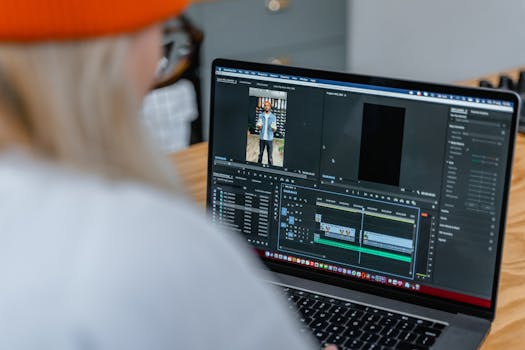
A video editor is responsible for assembling recorded raw material into a finished product suitable for broadcasting. This includes cutting and joining film or video footage, adding sound, graphics, and special effects, and ensuring the final product meets the creative vision and technical standards required. Video editors work across a range of sectors, including television, film, advertising, social media, and corporate communications. The role often involves working closely with directors, producers, and other post-production team members. Strong attention to detail, creativity, and proficiency with editing software such as Adobe Premiere Pro or Final Cut Pro are essential skills for this career.
Video editors in the UK typically earn between £18,000 and £35,000 per year, with experienced professionals in senior roles earning up to £45,000 or more.
It is estimated that there are over 25,000 people working in video production and editing roles across the UK.
The demand for video editors is expected to grow by around 5 percent in the next five years, especially as digital media and online content continue to expand.

Specialises in creating engaging trailers and promotional clips for films to attract audiences.

Focuses on editing music videos, working closely with artists and directors to match the visuals with the music.
Edits training videos, company announcements, and promotional content for businesses and organisations.
Learn what a video editor does by reading online resources and watching interviews with professionals.
Look into job descriptions, day-in-the-life videos, and articles about video editing to understand the skills and tasks involved. This will help you decide if the career suits your interests and strengths.
Download free or trial video editing software and practise editing your own videos.
Try using tools such as DaVinci Resolve, HitFilm Express, or iMovie to cut together short clips, add music, or create simple effects. Even editing videos on your phone can give you a head start.
Enrol in media studies at school or college, or complete online courses in video editing.
Consider GCSEs or A-Levels in Media Studies, or vocational qualifications such as a BTEC in Creative Media. Online platforms like LinkedIn Learning or Coursera also offer beginner to advanced courses in editing software.
Create a showreel or portfolio to showcase your editing work.
Collect your best projects, such as school assignments, personal projects, or volunteer work. Edit together a short showreel (1-2 minutes) that highlights your editing style, creativity, and range.
Look for internships, work experience, or entry-level roles in video production companies or media outlets.
You might start as a runner or junior editor, or even volunteer to edit videos for school clubs, local organisations, or online creators. Experience is valuable for building contacts and learning the workflow of professional productions.
Use your skills and portfolio to apply for paid positions as a video editor.
Look for jobs in TV, film, advertising, online media, or freelance opportunities. Tailor your CV and cover letter to highlight your technical ability, creativity, and experience.
Camera operators are responsible for capturing moving images for film, television, or online video, working closely with directors and other crew members.
Sound editors manage and edit the audio aspects of a film or video, including dialogue, sound effects, and music, to ensure high-quality sound production.

Motion graphics designers create animated visual effects and graphics for videos, enhancing the visual storytelling with dynamic elements.
Explore relevant apprenticeships that can help you kickstart your career in Video Editor. Apprenticeships offer hands-on experience and training while earning a wage.
This page showcases various career options and the pathways to reach them. Each career listed here shares transferable skills and knowledge, making it easier for individuals to transition between them.
Your current career is highlighted to help you see how it fits into the broader landscape of potential career choices. By clicking on any career, you can learn more about it, including the training and education required to pursue it.
Remember, progressing in your career often involves further learning and training. This page provides insights into future career options as well as those that can lead up to your current one.
These career progression decisions are informed by comparing the skills and knowledge needed for different occupations, along with data on how people move between them. Explore the possibilities and discover the exciting journey ahead in your career!
Explore other careers or use our AI to discover personalised paths based on your interests.
Address
Developing Experts Limited
Exchange Street Buildings
35-37 Exchange Street
Norwich
NR2 1DP
UK
Phone
01603 273515
Email
[email protected]
Copyright 2026 Developing Experts, All rights reserved.

Unlock expert-designed lessons, resources, and assessments tailored for educators. No credit card required.
Claim Your Free Trial →We use cookies to enhance your browsing experience and analyze our traffic. Learn more.

