A web designer creates the layout, visual appearance, and usability of a website. This involves working with images, fonts, colours, and navigation to ensure that a site is attractive and easy to use. Web designers often use software like Adobe Photoshop, Illustrator, and web development tools, and they need a good understanding of HTML and CSS. In the UK, web designers can work in a variety of sectors, including advertising, technology, retail, and media. They often collaborate with web developers, content creators, and clients to bring websites to life. The role can be fast-paced and requires keeping up with the latest digital trends.

The average salary for a web designer in the UK is between £22,000 and £40,000 per year, depending on experience and location.
There were approximately 13,000 web design job postings in the UK over the past year, reflecting steady demand.
Around 30 percent of web designers in the UK are self-employed, while the rest work for digital agencies, companies, or in-house teams.
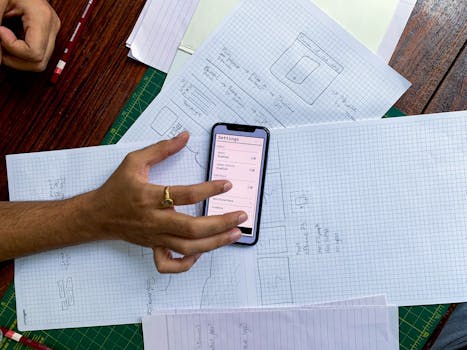
Focuses on creating websites that are easy and enjoyable for users to navigate, with a strong emphasis on user experience.

Specialises in designing the visual aspects of websites, such as layout, colour schemes, and interactive elements.

Works on building the parts of a website that users see and interact with, using coding languages like HTML, CSS, and JavaScript.
Take courses in IT, Computing, or Art and Design at school or college.
Studying subjects like Information Technology or Computer Science will introduce you to the basics of how websites work. Art and Design can help you develop a creative eye, which is important for designing appealing websites. Consider taking GCSEs or A-Levels in these areas, or even relevant BTEC courses if available.
Start learning HTML, CSS, and basic design principles online or through workshops.
There are many online resources, tutorials, and free courses where you can learn the basics of web design. Focus on understanding how to create simple web pages using HTML and CSS, and explore the fundamentals of layout, colour theory, and typography. Platforms like Codecademy, FreeCodeCamp, or W3Schools are good places to start.
Create your own sample websites to showcase your skills.
Start by designing and building websites for fictional clients, personal projects, or local community groups. Your portfolio should demonstrate your range and style as a designer, as well as your technical competence. Include a variety of projects to highlight different skills, such as responsive design or accessibility.
Get familiar with graphic design and prototyping software like Adobe XD, Figma, or Sketch.
Modern web designers often use specialised design tools for wireframing and prototyping websites. Learning to use these tools will help you create more professional and efficient designs, and is a key skill employers look for. Many of these tools offer free versions or educational licences.
Apply for internships, work placements, or freelance projects.
Gaining real-world experience will help you understand the needs of clients and the workflow of web design projects. Look for opportunities at local businesses, digital agencies, or by offering your services online. Even small projects or volunteering can make a big difference on your CV.
Pursue higher education in Web Design, Digital Media, or related subjects, or look for a relevant apprenticeship.
Many web designers go on to study for a degree, HND, or diploma in Web Design, Multimedia, or similar fields. Alternatively, you could apply for a Digital Marketing or Junior Content Producer apprenticeship, which includes web design as part of the role. Both paths can provide valuable contacts and a deeper understanding of the industry.
Explore relevant apprenticeships that can help you kickstart your career in Web Designer. Apprenticeships offer hands-on experience and training while earning a wage.
This page showcases various career options and the pathways to reach them. Each career listed here shares transferable skills and knowledge, making it easier for individuals to transition between them.
Your current career is highlighted to help you see how it fits into the broader landscape of potential career choices. By clicking on any career, you can learn more about it, including the training and education required to pursue it.
Remember, progressing in your career often involves further learning and training. This page provides insights into future career options as well as those that can lead up to your current one.
These career progression decisions are informed by comparing the skills and knowledge needed for different occupations, along with data on how people move between them. Explore the possibilities and discover the exciting journey ahead in your career!
Explore other careers or use our AI to discover personalised paths based on your interests.
Address
Developing Experts Limited
Exchange Street Buildings
35-37 Exchange Street
Norwich
NR2 1DP
UK
Phone
01603 273515
Email
[email protected]
Copyright 2026 Developing Experts, All rights reserved.

Unlock expert-designed lessons, resources, and assessments tailored for educators. No credit card required.
Claim Your Free Trial →We use cookies to enhance your browsing experience and analyze our traffic. Learn more.

