Librarians help people find, use and understand information. They organise books, magazines, newspapers, digital resources and online databases. They may help visitors choose books, find reliable information, use computers or carry out research. Librarians also arrange events such as reading groups, story sessions and activities for children.

Librarians in the UK commonly earn about 25,000 to 40,000 pounds a year. Senior librarians and managers may earn more than 40,000 pounds.
Librarians usually work about 35 to 40 hours a week. Some jobs include evening or weekend shifts because libraries often open outside school and office hours.
Many professional librarian jobs ask for a degree or postgraduate qualification in librarianship, information management or a related subject. Some people start as library assistants and gain experience first.
Librarians can work in public libraries, schools, universities, hospitals, museums, government departments and businesses.

Organises books and digital resources in a school and helps pupils find information for their learning.

Helps children discover books, runs reading activities and recommends stories suited to different ages and interests.

Manages online information, digital collections and electronic books, helping people use reliable sources safely.
Develop strong reading, writing, communication and computer skills through your school subjects.
English is especially useful because librarians often explain information, write notices and help people choose suitable books. Information technology can help you learn how to search online catalogues and manage digital resources.
Visit different types of libraries and notice how they help their communities.
Try visiting a public, school or university library. Ask a librarian about their daily work, the qualifications they needed and the types of people they support.
Join book clubs, reading groups or writing activities to develop your interest in books and information.
You could review books, help organise a reading group or take part in a school library project. These activities can improve your confidence and show your interest in the career.
Ask a local library whether you can volunteer when you are old enough and have permission.
Volunteer work might include sorting books, helping with events, preparing displays or supporting younger readers. Always follow the library rules and ask an adult to help you arrange this.
Practise listening carefully, answering questions politely and helping people with different needs.
Librarians work with children, adults, families, researchers and people who may need extra support. School clubs, sports teams and community activities can help you become a better team member.
Learn how to search for reliable information, use databases and organise digital files.
Libraries provide access to computers, online journals and electronic books. Practise checking whether websites are trustworthy and learn basic skills in word processing, spreadsheets and online safety.
Aim for good grades in English, mathematics, computing and other subjects that interest you.
There is not always one required set of GCSE subjects for library work, but good communication and computer skills are valuable. Check the entry requirements for courses and jobs you may want later.
After school, consider a college course, degree or another route that develops information and research skills.
Useful subjects may include English, history, education, information studies or digital technology. Some university librarian roles ask for a degree followed by a postgraduate qualification in library and information studies.
Look for library, information and customer service apprenticeships as you get older.
An apprenticeship allows you to gain workplace experience while studying. Search for opportunities on the official Find an Apprenticeship service and check the age and qualification requirements.
Look for jobs such as library assistant, customer service assistant or information assistant.
These roles can teach you how to lend resources, organise shelves, support visitors and use library management systems. Read each job description carefully and show how your skills match the role.
As your career develops, consider a recognised qualification in library and information studies.
Professional qualifications can help you progress into roles such as librarian, subject librarian, school librarian or information manager. Entry requirements vary, so check course providers for current details.
Continue improving your digital, research, teaching and management skills throughout your career.
You could specialise in children and young people, archives, health information, academic libraries or digital resources. Joining a professional body such as the Chartered Institute of Library and Information Professionals can support your development.
Library assistants help visitors, organise books, issue items and support the daily running of a library.

Archivists care for historic documents, photographs, maps and other records so that people can study them in the future.

Information scientists organise and analyse information for organisations such as universities, companies and government departments.
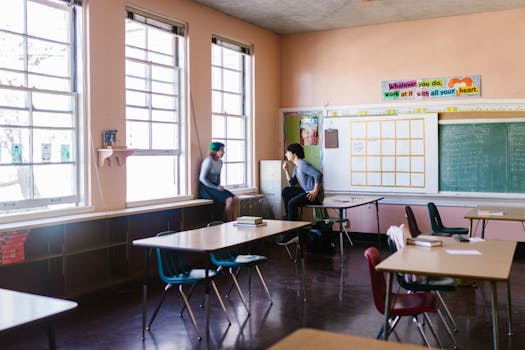
Teachers help children and young people learn. Some teachers work closely with school librarians to support reading and research skills.
Explore relevant apprenticeships that can help you kickstart your career in Librarian. Apprenticeships offer hands-on experience and training while earning a wage.
Explore other careers or use our AI to discover personalised paths based on your interests.
Address
Developing Experts Limited
Exchange Street Buildings
35-37 Exchange Street
Norwich
NR2 1DP
UK
Phone
01603 273515
Email
[email protected]
Copyright 2026 Developing Experts, All rights reserved.

Unlock expert-designed lessons, resources, and assessments tailored for educators. No credit card required.
Claim Your Free Trial →We use cookies to enhance your browsing experience and analyze our traffic. Learn more.

