A librarian helps people find and use information. They look after books, magazines, newspapers, music, films and online information. They may also help people use computers, choose books and find facts for homework or research. Librarians often organise story times, reading clubs and learning activities for the local community. They need to be friendly, organised and good at listening. They also need to enjoy learning about new technology.

Librarians in the UK often earn about 24000 to 40000 pounds a year. Senior librarians can earn more.
A full time librarian usually works about 35 to 40 hours each week. Some work evenings or weekends.
Many librarian jobs ask for a degree or postgraduate qualification in librarianship or information science.
Librarians work in public libraries, schools, universities, museums, hospitals and businesses across the UK.
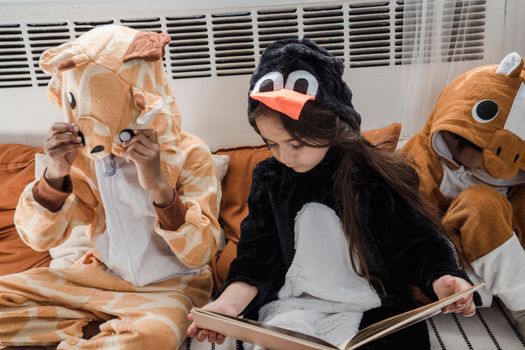
Helps children find books, runs story sessions and organises fun reading activities.

Looks after books in a school and helps pupils choose stories and learn how to find information.
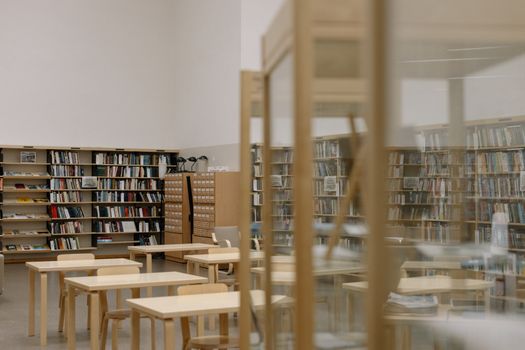
Organises online books, websites and other digital information so people can find it easily.
Read stories, facts, poems and magazines so you can learn what different readers enjoy.
Try books about science, history, animals and imaginary worlds. Notice how books are organised and think about which books you might recommend to other people.
Learn how to find answers in books, on safe websites and in online libraries.
Ask a teacher or librarian to show you how to use a contents page, index and search box. Always check that information comes from a trustworthy source.
Share books with friends and talk about why you like them.
You could make a book display, read stories to younger children or suggest a book for a friend. Good librarians listen carefully to what people like.
Practise speaking clearly, listening carefully and explaining ideas kindly.
Librarians help many different people. You will need to understand questions and explain how to find books, information and computers.
Use computers safely and practise searching, typing and organising information.
Modern libraries use computer systems to record books and lend them to readers. Learning about online safety and digital information will be very useful.
Practise putting things in order and keeping track of important details.
Books are arranged so that people can find them easily. You could organise your books at home by subject, author or colour.
Visit a public library, school library or university library to see how they work.
Look at the books, computers, quiet areas and noticeboards. Ask a librarian what they do during a normal working day.
Take part in reading groups, storytelling events, craft sessions or school book clubs.
These activities can help you understand how libraries bring people together. They also give you practice in helping with events and welcoming visitors.
When you are older, ask whether you can volunteer in a library or help with a reading project.
Volunteering may include sorting books, preparing activities or helping visitors. An adult should help you find a safe and suitable opportunity.
Build strong skills in English, mathematics, computers and research.
English helps you understand and explain information. Mathematics and computer skills help with records, planning and library systems.
When you are older, consider a college or university course related to librarianship, information studies or education.
Many librarian jobs ask for professional training in library and information studies. The exact requirements can be different for public, school and university libraries.
Look for library assistant jobs first and continue learning as you gain experience.
Library assistants help visitors, organise resources and use library computers. With experience and further qualifications, you may become a librarian or specialise in archives, children’s services or digital information.
A library assistant helps visitors, sorts books, uses the library computer system and keeps the library tidy.

An archivist looks after old documents, photographs and records so that people can study them in the future.
An information scientist organises large amounts of information and helps people find accurate facts.

A teacher helps children learn and may use books, libraries and online resources in lessons.
Explore relevant apprenticeships that can help you kickstart your career in Librarian. Apprenticeships offer hands-on experience and training while earning a wage.
Explore other careers or use our AI to discover personalised paths based on your interests.
Address
Developing Experts Limited
Exchange Street Buildings
35-37 Exchange Street
Norwich
NR2 1DP
UK
Phone
01603 273515
Email
[email protected]
Copyright 2026 Developing Experts, All rights reserved.

Unlock expert-designed lessons, resources, and assessments tailored for educators. No credit card required.
Claim Your Free Trial →We use cookies to enhance your browsing experience and analyze our traffic. Learn more.

