View this career for different education levels:
A Pin Setter, more commonly known in modern UK bowling centres as a Bowling Alley Mechanic or Lane Technician, is responsible for the maintenance and repair of automatic pinsetting machines and other bowling equipment. While the historical role of manually setting pins is largely obsolete, the modern equivalent is a skilled technical role crucial for the smooth operation of a bowling alley. Your day-to-day could involve preventative maintenance checks, diagnosing and fixing faults with the pinsetters, oiling the lanes, and ensuring all bowling equipment, from ball returns to scoring systems, is in excellent working order. This role requires a good understanding of mechanical and sometimes electrical systems. Working as a Pin Setter means you're essential to keeping the lanes open and customers happy. It involves problem-solving under pressure, as a broken machine can halt play. You'd typically work within a leisure or entertainment venue, often during evenings and weekends when bowling centres are busiest. It's a hands-on job that can be physically demanding at times, requiring you to navigate around machinery and sometimes lift components. Practical skills, attention to detail, and a proactive approach to maintenance are key to succeeding in this career.

The average salary for a Bowling Alley Mechanic or Pin Setter in the UK typically ranges from £20,000 to £25,000 per year, though this can vary based on experience, location, and the size of the leisure centre.
For entry-level or less experienced Pin Setters, the starting salary often falls between £18,000 and £21,000 annually, especially for those learning on the job or working part-time.
While not a high-volume career, opportunities for Pin Setters (often called Bowling Mechanics or Technicians) exist in bowling centres across the UK. Demand can be consistent, as these roles are essential for the smooth operation of bowling alleys. Many positions may be advertised locally or through specialist leisure industry job boards.

This role focuses on the mechanical and electronic maintenance of bowling equipment, including pin setters, ball returns, and scoring systems. It requires a good understanding of engineering principles, troubleshooting skills, and an ability to work with electrical and mechanical components. Relevant qualifications might include a Level 2 or 3 NVQ in Engineering Maintenance or a related technical subject, which a 21-year-old could pursue through college courses or apprenticeships.

Expanding on mechanical maintenance, this career involves the inspection, maintenance, and repair of various amusement park rides and attractions. It demands a strong grasp of safety regulations, engineering mechanics, and often hydraulics or pneumatics. A 21-year-old might consider an HNC/HND or a degree in Mechanical Engineering, or pursue an apprenticeship in maintenance engineering within the leisure sector.
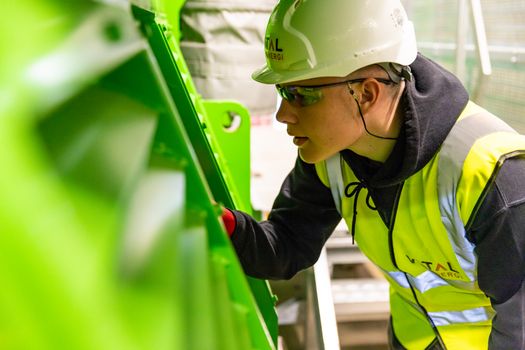
This broader role involves maintaining and repairing machinery in various industrial settings, not just leisure. It encompasses a wide range of skills from electrical and mechanical fault finding to preventative maintenance. A 21-year-old would benefit from an apprenticeship in an engineering discipline or a Level 3 Diploma in Maintenance Operations, which are widely available and provide excellent hands-on experience and recognised qualifications.
Familiarise yourself with the history and practicalities of manual pin setting. Understand why and where this role still exists.
Although most modern bowling alleys use automated pinsetters, some vintage or niche venues might still employ manual pin setters for an authentic experience. Explore online forums, historical bowling resources, and documentaries to grasp the nuances of the role and its physical demands. Look for information on traditional ten-pin bowling or candlepin bowling, where manual setting might be more common. Understand the specific equipment involved and the historical context.
Pinpoint specific locations or types of establishments that might still require manual pin setters in the UK.
This is a niche role, so identifying suitable venues is crucial. Think about boutique bowling alleys, entertainment centres with a vintage theme, or perhaps private estates with traditional bowling lanes. Networking within the hospitality or entertainment industry, particularly those focused on retro experiences, could yield leads. Online searches for 'vintage bowling UK' or 'traditional bowling alleys UK' might also provide some direction, although direct contact with venues will likely be necessary.
Evaluate if you possess the necessary physical attributes and mental agility for the role.
Manual pin setting is physically demanding, requiring good hand-eye coordination, quick reflexes, and the ability to lift and move pins swiftly and accurately. You'll need to be agile and able to work in a fast-paced environment, often for extended periods. Assess your physical fitness levels and consider whether you can endure repetitive tasks. Mental alertness is also important to ensure safety and efficiency during gameplay. Practising tasks that require similar skills, such as juggling or quick object placement, might be beneficial.
Seek opportunities to learn the ropes from experienced pin setters or venue staff.
Given the niche nature of the role, formal training programmes are unlikely. Instead, try to find a venue that still uses manual pin setters and offer to volunteer or apprentice. This will allow you to learn the specific techniques for resetting pins quickly and safely, clearing deadwood, and understanding game flow. Demonstrating enthusiasm and a willingness to learn on the job will be key to securing such an informal apprenticeship. Build rapport with the existing staff and management.
Develop precision and speed in resetting pins and managing the lane during games.
The core of the role involves efficiently placing pins in their correct positions for each frame, clearing fallen pins, and ensuring the lane is ready for the next bowl. This requires practice to achieve both speed and accuracy. Learn the correct way to handle pins, understand the different pin formations (e.g., strike, spare setups), and how to quickly identify and remove 'deadwood' (pins that are no longer in play). Focus on smooth, repeatable movements to minimise downtime between frames.
Familiarise yourself with the wider operations of a bowling lane, including safety and basic maintenance.
Beyond just setting pins, a good manual pin setter understands the flow of the game, player expectations, and basic safety protocols. This might include knowing how to handle stray balls, reporting any issues with the lane itself, or understanding the timing of player turns. Being aware of potential hazards and how to prevent accidents is paramount. You might also learn basic troubleshooting for common issues like a stuck ball or a faulty pin, enhancing your value to the venue.
Actively network within the hospitality and entertainment sectors to find potential openings.
As this is not a widely advertised role, personal connections are vital. Attend industry events (if applicable to niche venues), speak to staff at traditional bowling alleys, and use social media platforms like LinkedIn to connect with venue managers or owners. Clearly articulate your unique skills and passion for manual pin setting. Highlight any practical experience or volunteer work you've undertaken, demonstrating your commitment and proficiency. Be proactive in reaching out to potential employers directly.
Be ready to showcase your abilities and enthusiasm for the unique role.
Interviews for a manual pin setter role might involve a practical demonstration of your skills on a lane. Be prepared to show your speed, accuracy, and understanding of game etiquette. Articulate why you are interested in this specific, traditional role and what value you can bring to the venue's unique offering. Emphasise your reliability, physical stamina, and customer service awareness (as you will be interacting with players, albeit indirectly). Highlight your understanding of the historical aspect of the role.
Maintain high standards of professionalism, reliability, and continuous improvement.
Once employed, demonstrate consistent reliability, punctuality, and a strong work ethic. Continue to refine your pin setting techniques, always striving for greater speed and accuracy without compromising safety. Be adaptable to the specific needs of the venue and its customers. This niche role relies heavily on reputation, so being a valued and professional member of the team will ensure job security and potentially open doors to other opportunities within the venue or similar establishments. Seek feedback to continuously improve.

Maintains and repairs mechanical and electrical systems for amusement rides in theme parks and leisure centres, ensuring safety and operational efficiency.
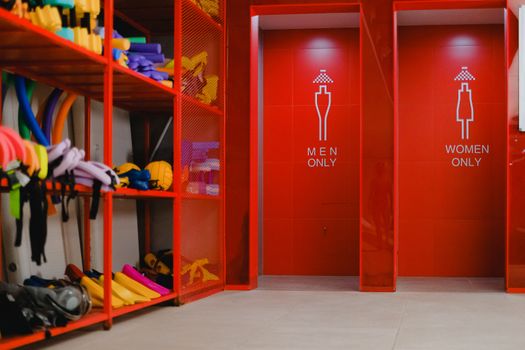
Responsible for the general maintenance and repair of equipment and facilities within a broader leisure centre setting, which could include gyms, swimming pools, or sports halls.
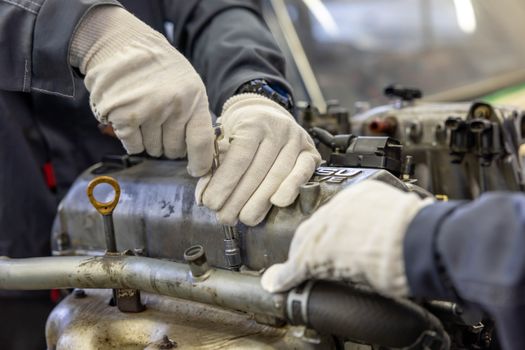
Performs general maintenance and repairs across various building systems, including HVAC, plumbing, and electrical, in commercial or recreational properties.
Explore relevant apprenticeships that can help you kickstart your career in Pin Setter. Apprenticeships offer hands-on experience and training while earning a wage.
This page showcases various career options and the pathways to reach them. Each career listed here shares transferable skills and knowledge, making it easier for individuals to transition between them.
Your current career is highlighted to help you see how it fits into the broader landscape of potential career choices. By clicking on any career, you can learn more about it, including the training and education required to pursue it.
Remember, progressing in your career often involves further learning and training. This page provides insights into future career options as well as those that can lead up to your current one.
These career progression decisions are informed by comparing the skills and knowledge needed for different occupations, along with data on how people move between them. Explore the possibilities and discover the exciting journey ahead in your career!
Explore other careers or use our AI to discover personalised paths based on your interests.
Address
Developing Experts Limited
Exchange Street Buildings
35-37 Exchange Street
Norwich
NR2 1DP
UK
Phone
01603 273515
Email
[email protected]
Copyright 2026 Developing Experts, All rights reserved.

Unlock expert-designed lessons, resources, and assessments tailored for educators. No credit card required.
Claim Your Free Trial →We use cookies to enhance your browsing experience and analyze our traffic. Learn more.

