



Creating Career Path...

Finding Further Careers...

Supermarket Worker

View this career for different education levels:

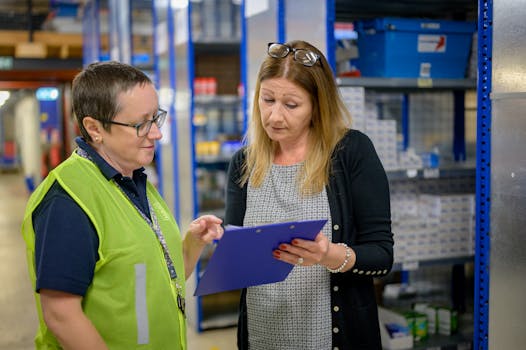
Imagine a place full of yummy food and useful things that lots of people visit every day. A supermarket worker helps make sure this place runs smoothly! They do lots of different jobs. Some supermarket workers help customers find what they need, answer questions, and sometimes even carry heavy bags to the car. Others might work on the tills, scanning items and taking payments. Some also make sure the shelves are full of fresh food and tidy, checking dates on food to make sure it is safe. It is a very important job because it helps everyone get their groceries and everyday items easily. You get to meet lots of different people and be part of a team.

Supermarket Worker

Flag Media

Please select a reason for flagging this content.

📊 Statistics

Average Salary

Supermarket workers in the UK often earn around 10 to 12 pounds per hour, which adds up to about 19,000 to 23,000 pounds a year for full-time work. This can change depending on the supermarket and your role.

Job Openings

There are many jobs available in supermarkets all over the UK. It is a very common type of work, so there are always new roles opening up for people who want to help customers and keep shops tidy.

Typical Hours

Many supermarket roles are part-time, meaning you might work fewer than 35 hours a week. Full-time jobs usually mean working around 35 to 40 hours a week, and shifts can be during the day, evening, or weekends.

🚀 Careers in this path

Flag Media

Please select a reason for flagging this content.

Trolley Collector

You'd be a superhero helping people by gathering up all the shopping trolleys and making sure they're in the right place for the next shopper. It's like a treasure hunt!

Flag Media

Please select a reason for flagging this content.

Shelf Stacker

Imagine being an organiser, making sure all the yummy food and interesting toys are neatly placed on the shelves. You'd know where everything is!

Flag Media

Please select a reason for flagging this content.

Till Assistant Helper

You could help customers pack their shopping bags nicely at the till. It's like being a helpful friend at the checkout, making sure everything is snug and safe to go home.

Learning About Shops

Visit Your Local Supermarket

Go to a supermarket with a grown-up and look around. See how everything is organised and where different foods are kept.

When you visit, try to spot the different sections, like the fruit and veg area, the bakery, and the frozen foods. Notice how friendly the workers are and how they help people. You might see people stocking shelves, tidying up, or working at the checkout. Think about what they are doing.

Play Shop at Home

Use toy food or empty food packets to pretend you have your own shop. You can be the shopkeeper and the customer!

Playing shop helps you understand how supermarkets work. You can practise arranging items on shelves, using a pretend till to scan things, and giving change. You can also take turns being the customer and asking for help, just like people do in real shops. This is a fun way to learn about the different jobs.

Help with the Weekly Shop

Ask your grown-up if you can help them when they do the weekly food shop, maybe by pushing the trolley or finding items.

Helping with the weekly shop is a great way to learn about a supermarket worker's job. You could help make a shopping list, find items on the shelves, or even help pack the shopping bags at the end. This shows you how important it is to be organised and helpful when you are in a shop.

Building Useful Skills

Practise Being Friendly

Being friendly and polite to everyone you meet is a very important skill for a supermarket worker.

Supermarket workers talk to lots of different people every day, so being kind and having good manners is super important. Try to always say 'please' and 'thank you', smile at people, and offer to help if you see someone needs it. Practise this at home and at school with your friends and family.

Learn to Tidy Up

Supermarkets need to be neat and tidy. You can practise tidying your own room and helping to organise things at home.

Imagine a supermarket with messy shelves – it would be hard to find anything! Practising keeping your toys tidy, putting your books back in order, and helping to put away groceries at home are all great ways to learn how to keep a space organised. This skill helps customers find what they need easily.

Work with Numbers

Knowing your numbers helps with counting things, working at the till, and understanding prices.

At a supermarket, workers need to count items, check prices, and give change. You can practise your counting skills by counting your toys or sweets. You can also play games that involve adding and subtracting numbers. This will make you super good at understanding money and making sure customers pay the right amount.

Getting Ready for a Job

Join School Clubs

Take part in school activities or clubs where you work with other people and help out.

Joining clubs like a school council, a sports team, or a drama group can help you learn to work well with others. You'll learn to listen to ideas, share your own, and help the group achieve its goals. This is really useful because supermarket workers often work as part of a team.

Help Your Community

Look for small ways to help people in your neighbourhood or at school, like collecting litter or helping a friend.

Helping your community shows that you care about others and are happy to lend a hand. This is a very valuable quality for a supermarket worker who needs to be helpful to customers. Even small acts of kindness, like helping someone carry something or tidying up a shared space, make a big difference.

Learn About Food Safety

Understand how to keep food fresh and safe to eat, like washing your hands before touching food.

Supermarkets sell food, so it's very important that food is handled safely to keep everyone healthy. Learn about why we wash our hands, why some food needs to be kept in the fridge, and why we check 'best before' dates. This knowledge will be super useful for working in a food shop.

🎬 Useful Videos

🎯 View Apprenticeships

Explore relevant apprenticeships that can help you kickstart your career in Supermarket Worker. Apprenticeships offer hands-on experience and training while earning a wage.

Career Progressions

This page showcases various career options and the pathways to reach them. Each career listed here shares transferable skills and knowledge, making it easier for individuals to transition between them.

Your current career is highlighted to help you see how it fits into the broader landscape of potential career choices. By clicking on any career, you can learn more about it, including the training and education required to pursue it.

Remember, progressing in your career often involves further learning and training. This page provides insights into future career options as well as those that can lead up to your current one.

These career progression decisions are informed by comparing the skills and knowledge needed for different occupations, along with data on how people move between them. Explore the possibilities and discover the exciting journey ahead in your career!

Sample Qualifications

While 'Supermarket Worker' isn't an exact match for manufacturing, out of the given options, the 'Production worker' title is the closest in implying a role involved in the processing and handling of goods, which a supermarket worker does at the retail end.

How to become

You can get into this job through:

  • an apprenticeship
  • applying directly

Apprenticeship

You could apply to do an apprenticeship, for example:

  • Engineering and Manufacturing Level 2 Foundation Apprenticeship
  • Lean Manufacturing Operative Level 2 Intermediate Apprenticeship
  • Food and Drink Process Operator Level 2 Intermediate Apprenticeship
  • Battery Manufacturing Technician Level 3 Advanced Apprenticeship

There are many other apprenticeships available, covering specific manufacturing industries, such as automotive, chemicals and engineering.

Foundation apprenticeship

You can apply for a foundation apprenticeship if you're aged 16 to 21.

If you're aged 22 to 24, you can apply if you:

Entry requirements

You'll usually need:

  • no specific qualifications or experience to apply for a foundation apprenticeship
  • some GCSEs, usually including English and maths, or equivalent, for an intermediate apprenticeship
  • 5 GCSEs at grades 9 to 4 (A* to C), or equivalent, including English and maths, for an advanced apprenticeship


More Information

Direct Application

You could apply for production jobs directly. Some employers may look for GCSEs at grades 9 to 3 (A* to D), or equivalent qualifications. Experience of production line work would be useful.

You may have to take a test at interview to assess your practical skills.

More Information

Career tips

Forklift truck training could be useful for some jobs.

Interested in More Career Paths?

Explore other careers or use our AI to discover personalised paths based on your interests.

Stay connected

Join our newsletter to stay up to date on features and releases

Address
Developing Experts Limited
Exchange Street Buildings
35-37 Exchange Street
Norwich
NR2 1DP
UK

Phone
01603 273515

Email
[email protected]

Copyright 2026 Developing Experts, All rights reserved.