Creating Career Path...

Finding Further Careers...

Lorry Driver

View this career for different education levels:

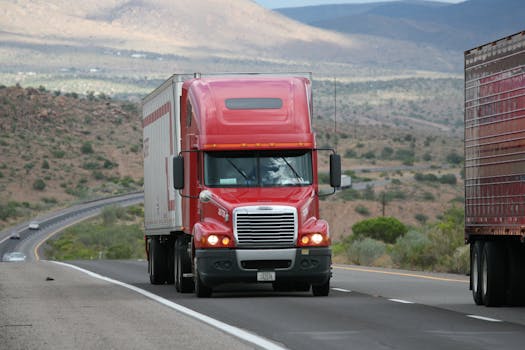
Imagine you are driving a very big vehicle that carries lots of interesting things, like food for shops, new toys, or even parts to build houses! That is what a lorry driver does. They are in charge of taking goods from one place to another safely and on time. They might drive long distances across the country, seeing lots of different places, or they might make many smaller deliveries in a town. It is a very important job because without lorry drivers, our shops would be empty and we would not get many of the things we need and love. A lorry driver needs to be good at driving and very careful. They also need to know how to plan their route and keep their lorry in good shape. They are like real-life superheroes making sure everything gets to where it needs to be! It is a big responsibility, but also very rewarding because they help lots of people every single day.

Lorry Driver

Flag Media

Please select a reason for flagging this content.

📊 Statistics

Average Yearly Pay

In the UK, a lorry driver can expect to earn about 33,000 pounds a year. This can be more if they have lots of experience or drive very long distances.

Number of Jobs

There are many lorry driver jobs in the UK, with over 300,000 people working in this role. New drivers are always needed.

Working Hours

Lorry drivers often work around 45 hours a week, but this can change a lot depending on what they are delivering and how far they are going.

🚀 Careers in this path

Flag Media

Please select a reason for flagging this content.

Delivery Driver

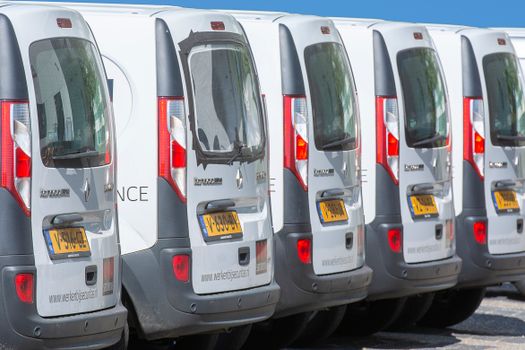
Imagine driving a smaller van or car to deliver yummy food, exciting parcels, or even flowers right to peoples' doors! You get to explore different streets and make people happy when their things arrive.

Flag Media

Please select a reason for flagging this content.

Bus Driver

Think about being in charge of a big, friendly bus, taking lots of people on exciting journeys to school, shops, or even a day out! You help everyone get where they need to go safely.

Flag Media

Please select a reason for flagging this content.

Train Driver

Picture yourself in the front of a really long train, chugging along the tracks, carrying passengers or goods across the country. You get to see lots of different places from your special seat!

Learning About Lorries

Watch Lorry Videos

Watch videos of big lorries driving on roads and motorways. See how they turn corners and how drivers check their mirrors.

Look for videos on safe driving, how lorries are loaded, and what different types of lorries do. You might see lorries carrying new cars, food to supermarkets, or even really big parts for wind turbines! This helps you understand the different jobs a lorry driver can do and the types of vehicles they operate.

Play Lorry Games

Play computer games or phone apps where you get to drive lorries. This helps you understand how to control a big vehicle.

Many games let you try delivering goods, parking big lorries, or driving on long journeys. Even though it's just a game, it can help you get a feel for how much space a lorry needs and how to navigate. Look for games that focus on realistic driving scenarios, not just racing, to get a better idea of a driver's tasks.

Talk to a Lorry Driver

If you know someone who drives a lorry, ask them about their job. They can tell you what it's really like!

Ask them what they like most about their job, what's challenging, and what they carry in their lorry. They can tell you about the places they visit, how they keep their lorry safe, and what they do if there's traffic. Hearing real stories from a driver can give you a clear picture of the day-to-day life of someone in this career.

Getting Ready for Driving

Learn Road Safety

It's super important to know all the road rules and how to be safe on the roads, even as a pedestrian or cyclist.

Learning about road signs, pedestrian crossings, and how to cycle safely on the road will give you a good foundation. When you are older, you will need to pass a driving test for cars first, and this knowledge will be very helpful. Knowing road safety well means you're already thinking like a responsible driver.

Help with Map Reading

Practice reading maps and understanding directions. This helps you find your way around, just like a lorry driver does.

When you're in the car, try to follow along on a map or satellite navigation system. You could help your grown-up navigate to new places. Lorry drivers often use sat-navs, but it's good to understand how maps work too, especially if there's a problem with the technology. Knowing how to read a map helps you plan routes and understand distances.

Understand Different Goods

Think about all the different things that lorries deliver. Food, furniture, building blocks – there are so many!

Try to spot different types of lorries on the road and guess what they might be carrying. Some lorries have special equipment for keeping food cold or for lifting heavy items. Understanding the variety of goods transported by lorries gives you an idea of the many different jobs a lorry driver can have, from delivering parcels to moving huge machinery.

Becoming a Lorry Driver

Get a Car Driving Licence

First, when you're older, you'll need to learn to drive a car and pass your driving test to get your car licence.

You can start learning to drive a car when you're 17 in the UK. This is the first big step, as you need to be a safe and experienced car driver before you can even think about driving a big lorry. It teaches you important road rules, how to handle a vehicle, and how to be a responsible road user.

Get Your Lorry Licence

After you have your car licence, you can train to get a special licence to drive a lorry.

This usually involves different types of training and tests, like a theory test and a practical driving test for a large goods vehicle (LGV), also known as an HGV. There are different categories of lorry licences depending on the size and weight of the vehicle. You will learn special skills like how to reverse a huge lorry and how to safely load and unload goods.

Start Your Lorry Driver Job

Once you have all your licences, you can apply for jobs driving a lorry and start your exciting new career!

Many companies are looking for new lorry drivers, and you might start by delivering smaller loads or working on shorter routes to gain experience. You can choose to specialise in different types of driving, like long-distance hauls, local deliveries, or even driving specialist vehicles. It's a job that keeps the country moving!

🎬 Useful Videos

🎯 View Apprenticeships

Explore relevant apprenticeships that can help you kickstart your career in Lorry Driver. Apprenticeships offer hands-on experience and training while earning a wage.

Career Progressions

This page showcases various career options and the pathways to reach them. Each career listed here shares transferable skills and knowledge, making it easier for individuals to transition between them.

Your current career is highlighted to help you see how it fits into the broader landscape of potential career choices. By clicking on any career, you can learn more about it, including the training and education required to pursue it.

Remember, progressing in your career often involves further learning and training. This page provides insights into future career options as well as those that can lead up to your current one.

These career progression decisions are informed by comparing the skills and knowledge needed for different occupations, along with data on how people move between them. Explore the possibilities and discover the exciting journey ahead in your career!

Sample Qualifications

A lorry driver operates a large goods vehicle (LGV), which is classified as a Heavy Goods Vehicle (HGV) in the UK, requiring specific licensing and qualifications distinct from other types of drivers.

How to become

You can get into this job through:

  • an apprenticeship
  • working towards this role
  • specialist training providers

Apprenticeship

You could do a Large Goods Vehicle (LGV) Driver C and E Level 2 Intermediate Apprenticeship.

This can take around 1 year to complete and combines on-the-job learning and study with a training provider.

The armed forces also offer some HGV driving apprenticeship roles.

Entry requirements

You'll usually need:

  • some GCSEs, usually including English and maths, or equivalent, for an intermediate apprenticeship

More Information

Work

If you're already working for a transport operator in a non-driving role, your employer might support you through training to get your HGV driving licence.

Other Routes

Course

You'll need to get a professional driving qualification called the Driver Certificate of Professional Competence (CPC).

Lots of organisations offer this course. You can find training to become a HGV driver or search for training providers through the Driver and Vehicle Standards Agency.

You might find it useful to compare several providers before signing up to one.

The course will cover driving skills, basic mechanics and how to load items. At the end of your course you'll need to pass 4 parts of the CPC test which includes:

  • a driving theory test
  • online case studies
  • a test of your practical driving ability
  • a practical demonstration test

If you're going to work with hazardous goods, for example fuel oil, you'll also need an Advisory Dangerous Goods by Road (ADR) Certificate.

Refresher course

If you're returning to work, you may need to do refresher training. Find out more about returning to be a HGV driver.

Skills Bootcamp

You might be able to apply for a place on a Skills Bootcamp for HGV driving.

Skills Bootcamps are flexible courses that last up to 16 weeks.

You can apply if you:

  • are 19 or older
  • have a full (category B) driving license

The provider running your course might have extra criteria for applying.

When you pass the course, you:

  • are guaranteed a job interview with an employer near where you live
  • can drive large vehicles
  • will have a category C or category CE driving licence

More Information

Career tips

You may be able to increase your income by working overtime.

Companies often need more HGV drivers at peak times. You could look for seasonal jobs on retail and delivery company websites, or with driver recruitment agencies.

Further information

You can find out more about how to become a qualified HGV driver from GOV.UK and Generation Logistics.

Interested in More Career Paths?

Explore other careers or use our AI to discover personalised paths based on your interests.

Stay connected

Join our newsletter to stay up to date on features and releases

Address
Developing Experts Limited
Exchange Street Buildings
35-37 Exchange Street
Norwich
NR2 1DP
UK

Phone
01603 273515

Email
[email protected]

Copyright 2026 Developing Experts, All rights reserved.