




Creating Career Path...

Finding Further Careers...

Road Worker

View this career for different education levels:

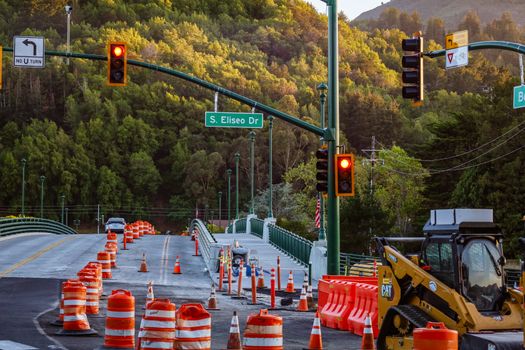
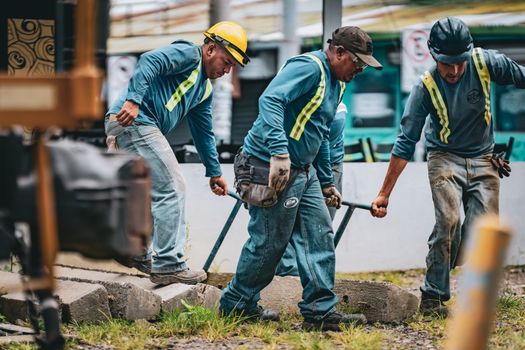
A road worker plays a vital role in keeping our country moving smoothly and safely. Imagine all the roads, pavements, and motorways you use every day – road workers are the people who build them, fix them, and look after them. This job involves a lot of outdoor work, no matter the weather, using a variety of tools and machinery. You might be involved in repairing potholes, resurfacing roads, installing road signs, or even helping to build brand new roads. Safety is super important, so road workers wear special protective clothing and follow strict rules to keep themselves and the public safe. Every day can be different for a road worker. One day you might be part of a team laying new tarmac on a busy street, and the next you could be mending cracks on a quiet country lane. This career often involves working as part of a team, and you will learn lots of practical skills. It is a hands-on job that helps connect communities and ensure that people and goods can travel easily across the UK. It is a great choice if you enjoy working outdoors, being active, and seeing the results of your hard work make a real difference to your local area.

Road Worker

Flag Media

Please select a reason for flagging this content.

📊 Statistics

Average Starting Salary

In the UK, a new road worker might start on around 20,000 to 24,000 pounds per year, especially if they are just beginning their training or apprenticeship.

Experienced Salary

With more experience and qualifications, a road worker in the UK can expect to earn between 25,000 and 35,000 pounds annually. Those in specialised roles or supervisory positions could earn even more.

Job Outlook

The demand for road workers in the UK is generally steady, as roads constantly need maintaining, repairing, and improving. It is a stable job sector with ongoing needs across the country.

🚀 Careers in this path

Flag Media

Please select a reason for flagging this content.

Highway Maintenance Operative

Imagine helping to fix our roads, pavements, and streetlights! You'd be part of a team making sure everything is safe and smooth for cars and pedestrians.

Flag Media

Please select a reason for flagging this content.

Traffic Management Operative

Ever seen people putting up signs and cones to guide traffic around roadworks? That's what a Traffic Management Operative does, keeping everyone safe while work is being done.

Flag Media

Please select a reason for flagging this content.

Groundworker

Before any building or road can be laid, a Groundworker prepares the site. This could involve digging trenches, laying drains, or making sure the ground is level and ready for construction.

Learn and Explore

Study useful school subjects

Focus on subjects like Design & Technology, Maths, and Science at school. These subjects teach you important skills for understanding how things are built and how to work safely.

Design & Technology can help you understand materials and building processes. Maths is useful for measuring and calculating amounts of materials, while Science can help you understand materials and forces. Taking part in practical projects will also be very helpful as it builds practical skills and problem-solving abilities.

Join a local club or group

Look for groups that involve practical work, like a Scouts or Cadets group, or even school clubs that build things. This helps you get used to working with your hands and as part of a team.

Joining practical clubs gives you hands-on experience and teaches you about teamwork and following instructions. These are all vital skills for a road worker. You'll also learn about safety when using tools and working outdoors, which is very important in this career.

Research the job online

Use the internet to watch videos and read about what road workers do every day. Websites like the National Careers Service have lots of information.

Searching for 'highway maintenance worker' or 'road construction' videos on YouTube can show you exactly what the job involves, from laying tarmac to operating machinery. Reading job profiles on government careers websites will give you details about the responsibilities, working conditions, and skills needed for the role.

Get Ready for Work

Consider a college course or apprenticeship

After school, you could study a college course in construction or civil engineering, or apply for an apprenticeship to learn on the job.

Many road workers start with a Level 2 or 3 NVQ or Diploma in areas like Construction Operations or Civil Engineering. An apprenticeship is another fantastic way to learn; you work for a company, get paid, and study at the same time, gaining hands-on experience and qualifications directly related to road construction and maintenance. Companies like National Highways often offer apprenticeships.

Gain work experience

Try to get some work experience, even if it's just for a few days, with a local construction company or council highways team.

Work experience is incredibly valuable. It shows employers you're keen and gives you a real taste of the working environment. You might learn about site safety, how different tools are used, and what a typical day looks like. Even volunteering for community projects that involve outdoor manual labour can count as useful experience.

Get a driving licence

A driving licence is often needed for road worker jobs, especially to drive site vehicles or travel between different work sites.

Having a full UK driving licence is very important, as road workers often need to drive vans or specialist vehicles to and from work sites, which can be in different locations each day. Some roles might even require specific driving licences for larger vehicles or plant machinery, which you can work towards once you start your career.

Start Your Career

Apply for entry-level jobs

Look for job openings as a 'Road Worker', 'Highway Maintenance Operative', or 'Construction Operative' with local councils or private construction companies.

When looking for your first job, check local council websites, large construction company careers pages (like Balfour Beatty, Skanska, Tarmac), and national job boards. Highlight any practical experience, qualifications, and your enthusiasm for outdoor work and teamwork in your application. Many roles are advertised as entry-level, meaning they don't require extensive prior experience if you have the right attitude.

Complete essential training and qualifications

Once you start, your employer will provide training for specific tasks, machinery, and important safety certificates.

You'll likely complete a CSCS (Construction Skills Certification Scheme) card, which is essential for working on construction sites. You'll also receive training on using various road working machinery, health and safety procedures, and first aid. These qualifications are crucial for both your safety and your ability to carry out different tasks effectively and legally.

Develop specialist skills

Over time, you can learn to operate more complex machinery or specialise in areas like drainage, surfacing, or traffic management.

As you gain experience, you can pursue further training and qualifications to become skilled in specific areas. This could include operating excavators or rollers, becoming an expert in laying different types of road surfaces, or managing traffic flow safely around roadworks. Specialising can open up opportunities for career progression and higher pay.

🎬 Useful Videos

🎯 View Apprenticeships

Explore relevant apprenticeships that can help you kickstart your career in Road Worker. Apprenticeships offer hands-on experience and training while earning a wage.

Career Progressions

This page showcases various career options and the pathways to reach them. Each career listed here shares transferable skills and knowledge, making it easier for individuals to transition between them.

Your current career is highlighted to help you see how it fits into the broader landscape of potential career choices. By clicking on any career, you can learn more about it, including the training and education required to pursue it.

Remember, progressing in your career often involves further learning and training. This page provides insights into future career options as well as those that can lead up to your current one.

These career progression decisions are informed by comparing the skills and knowledge needed for different occupations, along with data on how people move between them. Explore the possibilities and discover the exciting journey ahead in your career!

Sample Qualifications

The input career 'Road Worker' directly matches the official job title 'Road worker' in the provided list. This is the most accurate and precise classification.

How to become

You can get into this job through:

  • a college course
  • an apprenticeship
  • applying directly

College

You could take a college course to get some of the skills needed for this job. Courses include:

  • construction skills
  • highways maintenance - excavation operations
  • construction and civil engineering operations

Entry requirements

Entry requirements for these courses vary.

More Information

Apprenticeship

You could apply to do a Road Surfacing Operative, or Highways Maintenance Skilled Operative, Level 2 Intermediate Apprenticeship.

These apprenticeships take between a year and 6 months and 2 years to complete.

Entry requirements

You'll usually need:

  • some GCSEs, usually including English and maths, or equivalent, for an intermediate apprenticeship

More Information

Direct Application

You may be able to apply for jobs if you've got experience in other areas of construction, like labouring and groundwork, or from operating plant machinery, like mechanical diggers.

More Information

Further information

You can find out more about becoming a road worker from Go Construct.

Interested in More Career Paths?

Explore other careers or use our AI to discover personalised paths based on your interests.

Stay connected

Join our newsletter to stay up to date on features and releases

Address
Developing Experts Limited
Exchange Street Buildings
35-37 Exchange Street
Norwich
NR2 1DP
UK

Phone
01603 273515

Email
[email protected]

Copyright 2026 Developing Experts, All rights reserved.
