
Creating Career Path...

Finding Further Careers...

Explorer

View this career for different education levels:

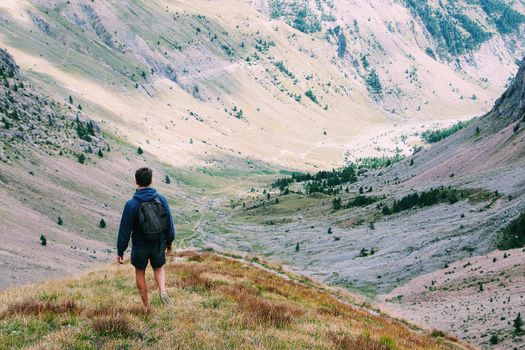
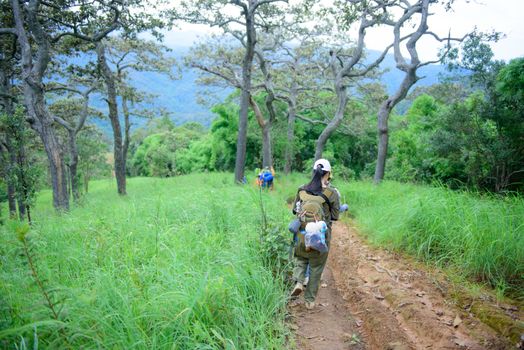
Being an explorer is all about discovering new places, learning about different cultures, or uncovering hidden knowledge about our planet. It often involves travelling to remote or challenging environments, like deep forests, high mountains, or far-off oceans. Explorers might study animals, plants, ancient ruins, or weather patterns. Their work helps us understand the world better, protect important natural spaces, or even discover new medicines. It is a job for someone who loves adventure, is curious, and enjoys solving problems in unexpected situations. You need to be brave, organised, and able to work well with others, often in tough conditions. Explorers might write books, give talks, or make documentaries to share their discoveries with the world. It is a challenging but very rewarding path, allowing you to see things most people only dream of.

Explorer

Flag Media

Please select a reason for flagging this content.

📊 Statistics

Salary Range

Being an explorer in the traditional sense often isnt a direct salaried job. Many explorers secure funding through grants, sponsorships, or work for organisations. For roles closely linked to exploration, like field scientists or expedition leaders, salaries can vary greatly, perhaps starting from around 20,000 GBP to 40,000 GBP per year, depending on experience and the nature of the project.

Number of Positions

Direct 'explorer' positions are quite rare and competitive in the UK. Many people who pursue this path do so through related fields like scientific research, documentary making, conservation, or adventure tourism, where there are more structured job opportunities. It is not a common career path with a large number of official vacancies.

Education/Skills

While there is no single 'explorer degree', many successful explorers have degrees in subjects like geography, biology, geology, anthropology, archaeology, or environmental science. Essential skills include navigation, survival, first aid, resilience, problem-solving, and excellent communication.

🚀 Careers in this path

Flag Media

Please select a reason for flagging this content.

Archaeologist

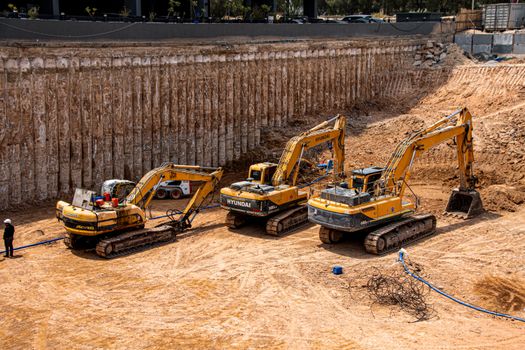
An archaeologist explores old sites and digs up ancient objects to learn about people from the past. You could help find Roman pottery or Viking tools!

Flag Media

Please select a reason for flagging this content.

Geologist

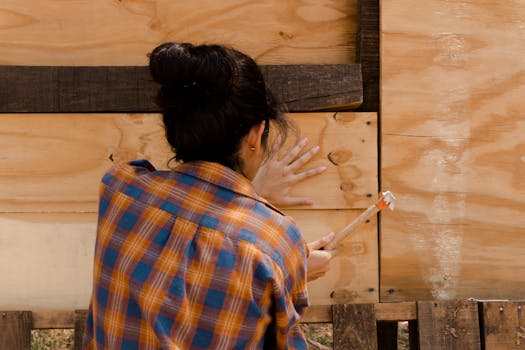
A geologist studies rocks, mountains, and the Earth's surface to understand how our planet was formed and how it changes. You could explore caves or find cool fossils.

Flag Media

Please select a reason for flagging this content.

Cartographer

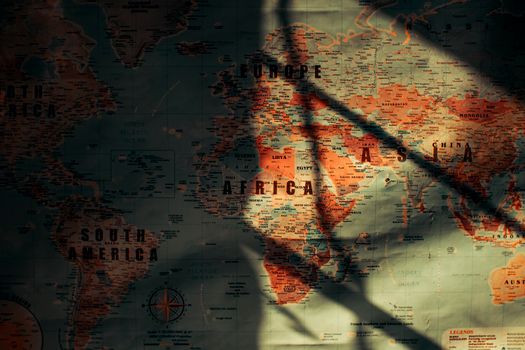
A cartographer creates maps of places, from local towns to vast continents, to help people navigate and understand the world. You could design maps for new nature trails or future expeditions.

Build Your Explorer Skills

Be Super Curious

Start by asking lots of questions about the world around you. Why is the sky blue? How do plants grow? What's it like in different countries?

Explorers are always curious! Reading books about different places, animals, history, and science can spark your curiosity. Watch documentaries about nature and cultures. The more you wonder, the more you'll want to explore and find answers.

Learn How to Navigate

Practise finding your way using maps, compasses, and even the sun or stars. It's a really important skill for explorers!

Understanding how to read a map, whether it's a paper map or a digital one, is crucial. You could join a scouting group or an outdoor club to learn these skills. Even using a compass to find directions in your local park is great practice. Knowing how to use natural signs like the sun's position can also be very helpful when you don't have technology.

Get Fit and Strong

Explorers often have to walk, climb, and carry gear, so being in good shape is really helpful.

Try different sports, go for walks or bike rides, and spend time outdoors. Being active helps build your stamina and strength, which you'll need for long journeys or challenging terrains. It's not about being a superhero, but about being healthy and able to cope with physical demands.

Academic Journey & Specialisation

Focus on Key School Subjects

Pay attention in subjects like Geography, Science (especially Biology and Geology), History, and even languages.

Geography helps you understand maps, climates, and different landforms. Science teaches you about the natural world, from animals to rocks. History can show you what past explorers discovered and what techniques they used. Learning other languages could be very useful for communicating with people in different countries you might explore.

Consider University

Many explorers study subjects like Geography, Archaeology, Environmental Science, or even Marine Biology at university.

A university degree gives you deep knowledge and research skills. For example, studying Archaeology could lead you to uncover ancient cities, while Marine Biology could take you to the deepest parts of the ocean. These degrees also teach you how to conduct research, analyse findings, and present your discoveries, which are all vital for an explorer.

Gain Specialised Skills

Learn practical skills like first aid, survival techniques, photography, or even how to pilot a drone.

Being able to look after yourself and others in remote locations is key, so a good first aid qualification is essential. Survival skills like building a shelter or finding food can be lifesaving. Photography and drone piloting can help you document your discoveries and share them with the world. These skills make you a more versatile and capable explorer.

Start Your Expeditions

Join Expeditions or Field Trips

Look for opportunities to go on organised trips or volunteer for research projects, even locally.

Many universities and organisations run field trips or offer volunteer placements where you can gain hands-on experience. This could be helping archaeologists dig, assisting scientists with wildlife research, or joining an environmental conservation project. These experiences are invaluable for learning how expeditions work in real life and building your network.

Network and Find Mentors

Meet people who are already explorers or working in related fields. They can offer advice and opportunities.

Attend talks, workshops, or online forums related to exploration, geography, or science. Don't be shy to ask questions and learn from experienced individuals. A mentor can guide you, share their knowledge, and sometimes even open doors to opportunities you might not find on your own.

Plan Your Own Small Adventures

Start with smaller adventures in your local area or country, putting your skills into practice.

You don't need to cross oceans to be an explorer! Plan a hiking trip, explore a local forest, or undertake a photography project in a less-visited area near you. This helps you practise your navigation, survival, and observation skills in a safe environment, building your confidence and experience for bigger journeys later on.

🎬 Useful Videos

🎯 View Apprenticeships

Explore relevant apprenticeships that can help you kickstart your career in Explorer. Apprenticeships offer hands-on experience and training while earning a wage.

Career Progressions

No career progressions found for Explorer

Sample Qualifications

An Explorer, in the context of scientific fields, often conducts fieldwork and research into the Earth's physical structure and processes, which aligns directly with the duties of a Geoscientist.

How to become

You can get into this job through:

  • a university course
  • an apprenticeship

University

To work as a professional geoscientist you'll need a degree in a relevant subject. Courses often combine theory with fieldwork and practical training.

Degree subjects include:

  • geology
  • geoscience
  • geophysics
  • Earth science

It's becoming more common for new entrants to hold or be working towards postgraduate qualifications like an MSc or PhD.

Integrated postgraduate master's qualifications like a MGeol or MSci can be studied at university. These courses include more independent research and are designed to lead directly onto further study like a PhD.

It's useful to get some work experience through an internship or year in industry placement while you are at university. Your university careers service can help you find opportunities.

Organisations like Geology for Global Development also run projects and placements to help you gain skills.

Entry requirements

You'll usually need:

  • 5 GCSEs at grades 9 to 4 (A* to C), or equivalent, including English, maths and science
  • 2 or 3 A levels, or equivalent, including a science, for a degree
  • a degree in a relevant subject for postgraduate study

More Information

Apprenticeship

You could apply to do a Geoscientist Level 6 Degree Apprenticeship.

You could also apply to do a Geotechnical Engineer Level 7 Integrated Degree Apprenticeship if you already have a first degree in a subject like::

  • engineering
  • science
  • geoscience
  • maths

Entry requirements

You'll usually need:

  • 4 or 5 GCSEs at grades 9 to 4 (A* to C) and A levels, or equivalent, for a higher or degree apprenticeship

More Information

More Information

Career tips

Experience of specialist geological software and computer modelling packages can be an advantage when you are applying for jobs.

Since many employers of geoscientists operate internationally, extra language skills can also be useful.

Further information

You can discover more about careers in geoscience through The Geological Society and Minerals Matter.

Interested in More Career Paths?

Explore other careers or use our AI to discover personalised paths based on your interests.

Stay connected

Join our newsletter to stay up to date on features and releases

Address
Developing Experts Limited
Exchange Street Buildings
35-37 Exchange Street
Norwich
NR2 1DP
UK

Phone
01603 273515

Email
[email protected]

Copyright 2026 Developing Experts, All rights reserved.
