

Creating Career Path...

Finding Further Careers...

Explorer

View this career for different education levels:

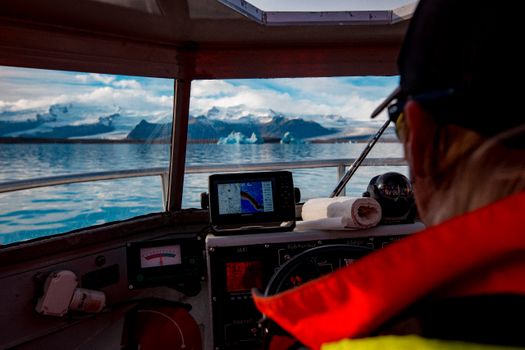
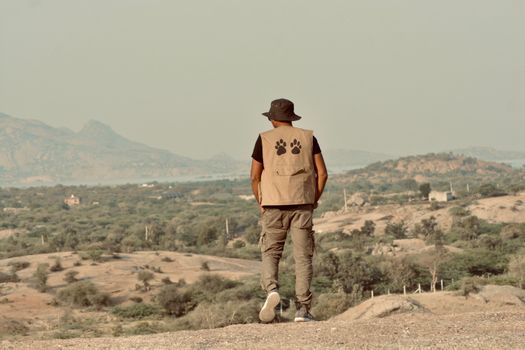
Imagine travelling to amazing new places, discovering hidden ruins, or seeing animals that no one has ever studied before! That is what an explorer does. Explorers are people who go on exciting journeys to learn more about the world. They might visit high mountains, deep jungles, icy poles, or even the bottom of the ocean. They help us understand our planet better, find new plants and animals, and learn about different cultures and history. It is a job for very curious and brave people who love adventure and do not mind facing challenges.

Explorer

Flag Media

Please select a reason for flagging this content.

📊 Statistics

Salary Information

It is tricky to give an exact salary for an explorer in the UK as it is not a typical job. Many explorers get funding or sponsorship for their trips, or they might have other jobs like scientists or filmmakers. They might earn between 20,000 and 50,000 pounds a year, but it can be much more or less depending on the project and how famous they are.

Number of Positions

Being a full-time explorer is very rare in the UK. Most people who explore do it as part of another job, like a scientist, researcher, or documentary maker. There are not many specific 'explorer' job adverts, but many people in related fields might go on expeditions.

Skills Needed

Explorers need lots of important skills. They need to be very brave, good at solving problems, and brilliant at planning. They also need to be fit and healthy, and often have special skills like first aid, navigating, or speaking other languages.

🚀 Careers in this path

Flag Media

Please select a reason for flagging this content.

Archaeologist

An archaeologist is like a detective who digs up old things from the ground to learn about people who lived long, long ago. They find broken pots, old coins, and even dinosaur bones sometimes! It's very exciting.

Flag Media

Please select a reason for flagging this content.

Wildlife Ranger

A wildlife ranger explores forests and parks to look after animals and their homes. They might track footprints, help baby animals, and teach people how to keep nature safe. Every day is an adventure!

Flag Media

Please select a reason for flagging this content.

Astronaut

An astronaut is a super explorer who travels into space in a rocket! They float around, look at the Earth from far away, and visit other planets and stars. It's the ultimate journey to discover new things.

Learning About the World

Read Adventure Books

Start by reading lots of books about explorers, animals, and different countries. This will help you learn about all the amazing things there are to discover!

Visit your local library and ask the librarian for books about famous explorers like Christopher Columbus, Sir Ernest Shackleton, or Jane Goodall. Look for books with maps and pictures of different parts of the world. Reading helps you travel with your mind before you travel with your feet!

Watch Nature Programmes

Watch TV shows or videos about wildlife, oceans, and jungles. You'll see what it's like in different parts of the world and learn about the creatures that live there.

Programmes like 'Blue Planet' or 'Planet Earth' are fantastic for seeing amazing animals and landscapes from all over the world. Pay attention to how the explorers and scientists observe and understand nature. This can inspire you and teach you about different environments.

Learn About Maps

Maps help explorers find their way! Try to understand how maps work, what different symbols mean, and how to follow a route.

You can get a simple map of your local area or a world map. Try to find your house on a map or trace a route from your school to a park. Understanding directions like North, South, East, and West is really helpful for an explorer. You can even draw your own maps of your garden or bedroom!

Exploring Near Home

Go on Nature Walks

Explore your local park, forest, or even your garden. Look for interesting bugs, plants, and signs of animals. Take a notebook to draw what you see!

When you go on a nature walk, try to be really observant. What kind of trees do you see? Can you spot any birds or insects? Listen to the sounds around you. You can take a small magnifying glass to look closer at leaves or flowers. Remember to always respect nature and leave things as you found them.

Try Geocaching

Geocaching is like a treasure hunt using a GPS or a phone app. It's a fun way to explore new places and practice your navigation skills!

With a grown-up, you can download a geocaching app and try to find hidden 'caches' (small containers with trinkets) in your area. It's a great way to discover new parts of your town or local countryside and learn how to follow directions using technology, just like real explorers do.

Set Up a 'Base Camp'

Build a den or a small tent in your garden or a safe outdoor space. Pretend it's your base camp for your explorations!

A base camp is where explorers rest and plan their next adventure. You can use blankets, chairs, or even a small pop-up tent. Practice packing a small backpack with 'supplies' like a water bottle, a snack, and a notebook. This helps you imagine being on a real expedition.

Dreaming Big Adventures

Learn a New Language

If you want to explore different countries, knowing how to speak another language will help you talk to people there.

Start with a few simple words and phrases in a language like French, Spanish, or Mandarin. There are lots of fun apps and websites for kids to learn languages. Being able to say 'hello' or 'thank you' in another language is a great start and will make future explorations much more fun!

Practice Being Brave

Explorers need to be brave! Try new things, even if they seem a little bit scary at first, like trying a new sport or speaking in front of your class.

Being brave doesn't mean you're not scared, it means you do it anyway! Step outside your comfort zone in safe ways, like trying a new food, going on a roller coaster, or taking part in a school play. Each time you face a small challenge, you become a little bit braver and more ready for bigger adventures.

Think About What You Love

What part of the world excites you most? The ocean? Mountains? Deserts? Thinking about what you love can guide your future explorations.

Do you love animals, old buildings, or volcanoes? Learning about the things you are most passionate about can help you decide what kind of explorer you want to be. Some explorers study animals, others search for ancient cities, and some even go to space! The world is full of possibilities, so keep your curiosity alive!

🎬 Useful Videos

🎯 View Apprenticeships

Explore relevant apprenticeships that can help you kickstart your career in Explorer. Apprenticeships offer hands-on experience and training while earning a wage.

Career Progressions

No career progressions found for Explorer

Sample Qualifications

An Explorer, in the context of scientific investigation, often conducts fieldwork and discovers new information about the past, which aligns closely with the duties of a Palaeontologist who explores and unearths ancient life forms and geological history.

How to become

You can get into this job through a university course.

University

You'll usually need to complete a first degree followed by further study for postgraduate qualifications at master's or PhD level.

Subjects include:

  • botany
  • Earth sciences
  • geology
  • palaeontology
  • zoology
  • biological science

Employers like universities or research institutions will expect you to have completed, or be working towards, a PhD in your specialist area of interest in palaeontology.

Entry requirements

You'll usually need:

  • 5 GCSEs at grades 9 to 4 (A* to C), or equivalent, including English, maths and science
  • 2 or 3 A levels, or equivalent, including a science, for a degree
  • a degree in a relevant subject for postgraduate study

More Information

Volunteering

Volunteering at your local museum can help you learn more about palaeontology, especially where the museum has a fossil collection.

You can also get involved in activities organised by geology and fossil hunting societies, like Rockwatch.

More Information

Professional and industry bodies

You can join The Palaeontology Association for professional development opportunities and to make contacts in the profession.

Further information

You can find more information about how to become a palaeontologist from The Palaeontological Association and the Natural History Museum.

Interested in More Career Paths?

Explore other careers or use our AI to discover personalised paths based on your interests.

Stay connected

Join our newsletter to stay up to date on features and releases

Address
Developing Experts Limited
Exchange Street Buildings
35-37 Exchange Street
Norwich
NR2 1DP
UK

Phone
01603 273515

Email
[email protected]

Copyright 2026 Developing Experts, All rights reserved.
