Imagine spending your days exploring beautiful natural places, looking after animals, and helping to keep our planet healthy! That is what a Wildlife Ranger does. They work outdoors in places like national parks, forests, and nature reserves all across the UK. Their main job is to protect wild animals and their homes. This means checking on animals, making sure plants are growing well, and keeping an eye out for anything that might harm the environment. Wildlife Rangers also help people learn about nature. They might lead walks, teach groups of children about different birds or trees, and make sure visitors follow rules to keep the area safe for everyone and for the animals. They might also help fix fences, clear paths, or even rescue animals that are hurt. It is a very hands-on job where every day can be an adventure, helping nature thrive for future generations.
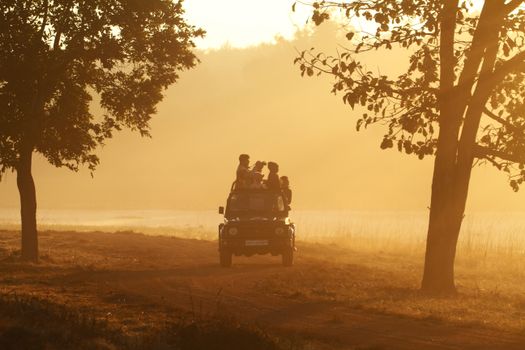
A new Wildlife Ranger in the UK might earn around 18,000 to 22,000 pounds a year.
With more experience, a Wildlife Ranger could earn between 25,000 and 35,000 pounds a year. Some senior roles pay even more.
There are many wildlife areas in the UK, from national parks to local nature reserves. Jobs might not be as common as other careers, but they are very important for looking after our wildlife.

Imagine you are a detective, but for animals! You get to spend time in nature, watching birds, squirrels, and deer to learn all about their daily lives and what they need to stay safe and happy.
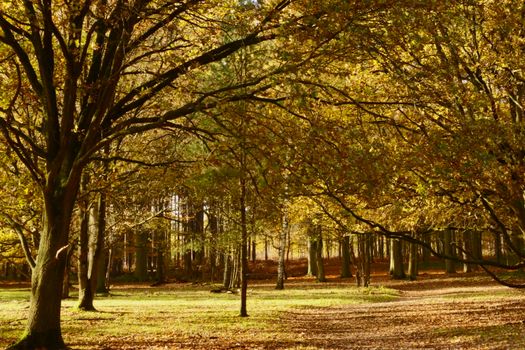
Do you love sharing exciting tales? A nature storyteller gets to learn amazing facts about animals and plants, then tell captivating stories to others to help them understand and care about our wonderful wildlife.
This is a bit like being an architect, but for animals' homes! You'd help make sure animals have safe and cosy places to live by planting trees, making sure there's clean water, and keeping their homes tidy and free from litter.
Start by looking closely at the plants and animals living near you. Can you spot different types of birds, insects, or flowers?
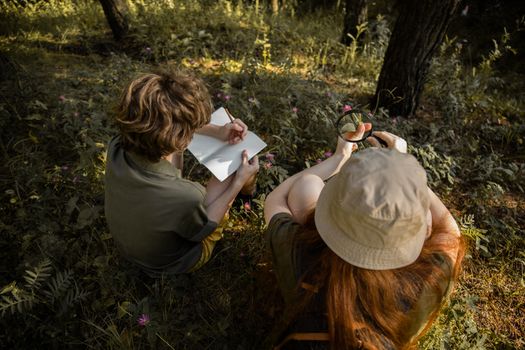
Grab a magnifying glass and a notebook! Look under leaves, peek into bushes, and watch the sky. Try to draw what you see and write down where you found it. This helps you notice details and patterns, which is super important for a Wildlife Ranger. You could even try to identify the plants and animals using a simple guide book or an app with a grown-up.
Find exciting stories and films about wildlife and nature. This is a fun way to learn about animals from all over the world!
Head to your local library and ask for books about British wildlife, like foxes, badgers, and owls, or amazing animals from faraway places like elephants and tigers. Watch nature documentaries with your family on TV or online. Pay attention to how the animals live, what they eat, and how they interact with their environment. Learning about different habitats, from rainforests to deserts, will give you a broader understanding of the natural world.
Many places have clubs where you can go on walks, learn about animals, and do fun activities in nature with other kids.
Ask a grown-up if there's a local wildlife trust, nature reserve, or RSPB (Royal Society for the Protection of Birds) group near you that has activities for children. These clubs often organise guided walks, bug hunts, birdwatching sessions, and even conservation tasks like planting trees. It's a great way to meet other young nature lovers and learn from experts. You might even get to see some amazing wildlife up close and personal!
Even a small space can become a lovely home for birds, bees, and other little creatures.
With help from a grown-up, you could plant some flowers that bees and butterflies love, like lavender or sunflowers. You could also make a bird feeder from recycled materials or put out a shallow dish of water for thirsty insects and birds. Building a 'bug hotel' from old bits of wood, bamboo canes, and leaves can provide a cosy home for beneficial insects. Remember, every little bit helps make your garden a safe haven for local wildlife.
Help keep parks, beaches, or riverbanks tidy by picking up litter. This keeps animal homes clean and safe.
Look for local groups that organise litter picks in your community's green spaces or along local waterways. Always go with a grown-up and wear gloves to stay safe. Picking up rubbish, especially plastic, stops it from harming animals who might mistake it for food or get tangled in it. You'll be making a real difference to the environment and the animals that live there!
Go to places specially made to protect animals and plants. You might see a real Wildlife Ranger at work!
Ask your family to take you to a local nature reserve, wildlife park, or even a national park. When you visit, try to walk quietly and observe the animals from a distance so you don't disturb them. Read the information signs to learn about the different species that live there and why the reserve is important. You might even spot a Wildlife Ranger doing their job, like checking on animals or repairing fences, and you can see what their day-to-day work looks like.
Pay attention in science, especially when you learn about animals, plants, and the environment. These subjects are really important for a Wildlife Ranger!
Focus on subjects like biology, geography, and even maths, as understanding ecosystems, animal behaviour, and mapping are key skills for a ranger. Ask your teachers questions about nature and wildlife. The more you learn now, the better prepared you'll be for studying these topics in more detail when you're older. Keep that curiosity alive!
When you're a bit older, you could help out at a local animal rescue centre or nature reserve to get real-life experience.
Once you're a teenager, many organisations like the National Trust, RSPB, or local wildlife trusts offer volunteering opportunities. This could involve tasks like path maintenance, helping with animal surveys, or supporting conservation projects. Volunteering is a fantastic way to gain practical skills, meet people already working in conservation, and see if being a Wildlife Ranger is truly for you. It shows you're dedicated and passionate about nature.
After school, many Wildlife Rangers go to college or university to study things like conservation, ecology, or wildlife management.
While practical experience is vital, many professional Wildlife Ranger roles require qualifications. When you're older, you could look into courses in subjects such as Animal Management, Countryside Management, or Wildlife Conservation at colleges and universities. These courses teach you specialist knowledge about habitats, species protection, environmental laws, and practical skills like first aid for animals. This formal learning, combined with your passion and hands-on experience, will set you on a great path to becoming a Wildlife Ranger.
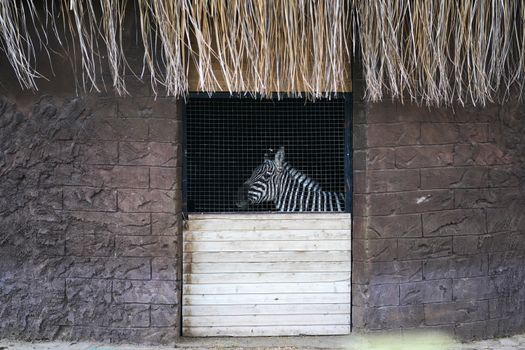
Zookeepers look after animals in a zoo. They feed them, clean their enclosures, and make sure they are healthy and happy.
Ecologists study how living things like animals and plants interact with each other and with their environment. They help find ways to protect nature.
These people teach others about the environment and how to protect it. They might work in schools, museums, or nature centres.
Explore relevant apprenticeships that can help you kickstart your career in Wildlife Ranger. Apprenticeships offer hands-on experience and training while earning a wage.
This page showcases various career options and the pathways to reach them. Each career listed here shares transferable skills and knowledge, making it easier for individuals to transition between them.
Your current career is highlighted to help you see how it fits into the broader landscape of potential career choices. By clicking on any career, you can learn more about it, including the training and education required to pursue it.
Remember, progressing in your career often involves further learning and training. This page provides insights into future career options as well as those that can lead up to your current one.
These career progression decisions are informed by comparing the skills and knowledge needed for different occupations, along with data on how people move between them. Explore the possibilities and discover the exciting journey ahead in your career!
Explore other careers or use our AI to discover personalised paths based on your interests.
Address
Developing Experts Limited
Exchange Street Buildings
35-37 Exchange Street
Norwich
NR2 1DP
UK
Phone
01603 273515
Email
[email protected]
Copyright 2026 Developing Experts, All rights reserved.

Unlock expert-designed lessons, resources, and assessments tailored for educators. No credit card required.
Claim Your Free Trial →We use cookies to enhance your browsing experience and analyze our traffic. Learn more.

