




Creating Career Path...

Finding Further Careers...

Nutritionist

View this career for different education levels:

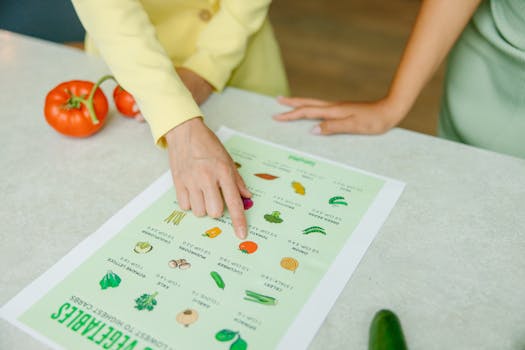
Imagine being a food detective! A Nutritionist is someone who knows all about food and how it helps our bodies grow big and strong. They help people understand what foods are good for them and how to eat a healthy, balanced diet. For example, if someone feels tired a lot, a Nutritionist might look at what they eat and suggest they try eating more fruits, vegetables, and whole grains to give them more energy. They work with people of all ages, from little children to grown-ups, teaching them how to make smart choices about their meals and snacks. It is a bit like being a food coach, helping everyone feel their best by eating well. Nutritionists often work in hospitals, clinics, or even for sports teams, making sure athletes eat the right foods to stay strong and perform well. Some Nutritionists might even work in schools, helping to plan healthy school dinners! They give advice on how to get enough vitamins and minerals, how to manage food allergies, or how to eat to help with certain health conditions. It is a very rewarding job because you help people learn important habits that can keep them healthy for their whole lives.

Nutritionist

Flag Media

Please select a reason for flagging this content.

📊 Statistics

Starting Salary

A new Nutritionist in the UK might earn around 25,000 to 30,000 pounds a year.

Experienced Salary

With more experience, a Nutritionist in the UK could earn 35,000 to 50,000 pounds or more a year.

Job Openings

There are hundreds of job openings for Nutritionists and dietitians in the UK each year, showing it is a popular and important job.

🚀 Careers in this path

Flag Media

Please select a reason for flagging this content.

Healthy Food Helper

Imagine you help other children and their families choose yummy, healthy foods like colourful fruits and vegetables, and explain why they give us lots of energy to play and learn. You could help make fun menus for school lunches!

Flag Media

Please select a reason for flagging this content.

Food Explorer

You could be a detective who explores where different foods come from, like apples from an orchard or milk from a farm. Then, you could teach your friends how these foods help our bodies grow big and strong, and maybe even show them how to plant a tiny seed!

Flag Media

Please select a reason for flagging this content.

Snack Time Superhero

Your superpower would be creating super tasty and super healthy snacks for everyone. You could invent new recipes for fruit salads, veggie sticks with dips, or wholemeal sandwiches, making sure everyone has enough fuel for their adventures.

Learning About Food Fun!

Explore Different Foods

Start by trying lots of different fruits, vegetables, and other healthy foods. Think about their colours, shapes, and how they make you feel.

When you try new foods, you discover what you like and don't like. Pay attention to how different foods give you energy or make you feel sleepy. This helps you understand food's power. Ask your parents or guardians to help you try a new fruit or vegetable each week, like a fun food adventure!

Read Fun Food Books

Look for books that teach you about healthy eating, where food comes from, and why it's good for your body. Many books have colourful pictures of yummy foods!

There are lots of amazing books for kids about food and nutrition. Some might tell stories about fruits and vegetables, while others explain how our bodies use food. Reading these books can make learning about healthy eating feel like an exciting story!

Grow Your Own Plants

Try growing some easy vegetables or herbs in a pot or garden. It's super cool to see how food grows from a tiny seed!

Growing your own food, even just a cress plant or some tomatoes, teaches you about nature and where food comes from. It also makes you more likely to try and enjoy the food you've helped grow. You can plant seeds in a small pot on a windowsill and watch them sprout!

School Adventures and Food Science!

Listen in Science Classes

Pay close attention in science lessons, especially when you learn about the human body, plants, and how things work. Food science is a big part of being a nutritionist!

In school, science lessons will teach you about important things like how our bodies digest food, what different vitamins do, and how plants make their own food. All these things are like puzzle pieces that help you understand nutrition better. Ask your teachers questions if you're curious!

Try Cooking with Grown-ups

Help an adult in the kitchen to make healthy meals. You'll learn about ingredients, measurements, and how to put yummy food together safely.

Cooking is a great way to learn about different foods and how to prepare them in healthy ways. You can learn to follow recipes, chop vegetables (with help!), and even create your own healthy snacks. This practical experience is really useful for understanding food.

Join a Healthy Eating Club

If your school has a club about healthy eating or cooking, join it! It's a fun way to learn with friends.

Being part of a club helps you meet other kids who are also interested in food and health. You might do fun activities like making healthy snacks, learning about food from different countries, or even visiting a farm. It's a brilliant way to share ideas and learn together.

Becoming a Food Helper!

Study at College or University

After school, you'll need to go to college or university to study nutrition. You'll learn all the big science words and deep knowledge about food.

To become a nutritionist in the UK, you typically need to complete a degree in nutrition or a related science subject at university. These courses teach you about human physiology, biochemistry, food science, and public health nutrition. Look for courses accredited by the Association for Nutrition (AfN) to ensure they meet professional standards.

Get Practical Experience

While you're studying, try to find chances to help out in places where people talk about food, like health centres or community groups. This is called work experience.

Gaining practical experience, such as volunteering at health clinics, community food projects, or even schools, can give you a real insight into how nutrition advice is given. It helps you understand different people's needs and how to communicate healthy eating messages effectively. This experience looks great on your CV too!

Become a Registered Nutritionist

Once you have your degree and some experience, you can join a special group called the Association for Nutrition to show everyone you're a qualified food expert!

In the UK, it's highly recommended to register with the Association for Nutrition (AfN) as a Registered Associate Nutritionist (ANutr) or Registered Nutritionist (RNutr). This shows that you meet high professional standards and follow a strict code of conduct. It helps people trust your advice and opens up many job opportunities.

🎯 View Apprenticeships

Explore relevant apprenticeships that can help you kickstart your career in Nutritionist. Apprenticeships offer hands-on experience and training while earning a wage.

Career Progressions

This page showcases various career options and the pathways to reach them. Each career listed here shares transferable skills and knowledge, making it easier for individuals to transition between them.

Your current career is highlighted to help you see how it fits into the broader landscape of potential career choices. By clicking on any career, you can learn more about it, including the training and education required to pursue it.

Remember, progressing in your career often involves further learning and training. This page provides insights into future career options as well as those that can lead up to your current one.

These career progression decisions are informed by comparing the skills and knowledge needed for different occupations, along with data on how people move between them. Explore the possibilities and discover the exciting journey ahead in your career!

Sample Qualifications

How to become

You can get into this job through a university course.

University

You'll usually need a degree or postgraduate qualification approved by the Association for Nutrition.

Approved courses include:

  • food and nutrition
  • biochemistry
  • physiology
  • public health
  • health promotion

Entry requirements

You'll usually need:

  • 2 or 3 A levels, or equivalent, including biology or chemistry
  • a degree in a relevant subject for postgraduate study

More Information

Volunteering

Volunteering in the NHS is a good way to get work experience in healthcare. This can be helpful when you apply for jobs or training.

You could also look for work and volunteering opportunities in:

  • food safety
  • food charity
  • sport and fitness
  • food manufacturing
  • university research

More Information

Career tips

There are short courses available that can help you to decide whether nutrition is the right career for you. For example, you could do a:

Professional and industry bodies

After university, you can apply to join the UK Voluntary Register of Nutritionists which shows you're a qualified or experienced nutritionist.

Further information

You can find out more about a career in nutrition from the Association for Nutrition and Health Careers.

Interested in More Career Paths?

Explore other careers or use our AI to discover personalised paths based on your interests.

Stay connected

Join our newsletter to stay up to date on features and releases

Address
Developing Experts Limited
Exchange Street Buildings
35-37 Exchange Street
Norwich
NR2 1DP
UK

Phone
01603 273515

Email
[email protected]

Copyright 2026 Developing Experts, All rights reserved.
