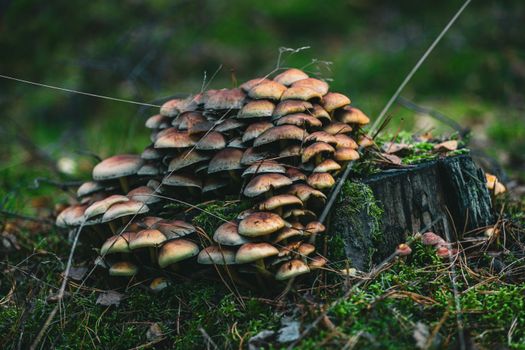
A Mycologist is like a detective for fungi! Fungi aren't just mushrooms; they also include yeasts and moulds. Mycologists study everything about them, from how they grow and reproduce to how they interact with plants, animals, and even us. They might spend their time in a laboratory looking at fungi under a microscope, or they could be out in the countryside collecting samples and observing fungi in their natural habitats. They research how fungi can be helpful, for example, in making medicines like penicillin or helping plants grow, but also how they can be harmful, like causing plant diseases or food spoilage. It's a fascinating job that combines careful observation with scientific investigation to understand a very important part of our natural world. This career involves a lot of problem-solving and careful experimentation. You might be designing experiments to test how different conditions affect fungi, or using advanced techniques to identify new species. Mycologists often write reports and papers about their findings and might even teach others about fungi. It's a role for someone who is curious, patient, and loves science, especially biology, and wants to understand the tiny organisms that play a huge role in our environment and our lives.
In the UK, a starting salary for a Mycologist might be around 25,000 to 30,000 pounds per year. With more experience, this can increase to 35,000 to 50,000 pounds, and senior roles could reach 60,000 pounds or more annually.
While not as common as some other science jobs, there are opportunities for Mycologists in universities, research institutes, agricultural organisations, and pharmaceutical companies across the UK. Specific job numbers can vary, but it's a specialist field.
Most Mycologists work standard full-time hours, typically 35-40 hours a week, from Monday to Friday. However, laboratory work or fieldwork might sometimes require flexibility or extra hours, especially when experiments are time-sensitive.
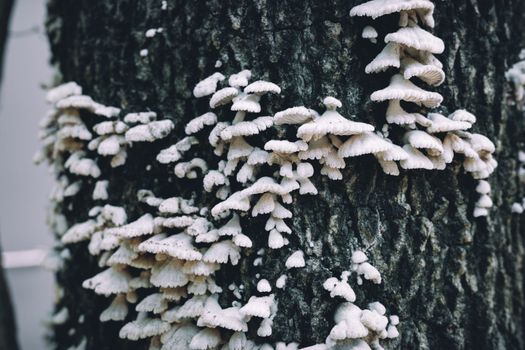
Someone who helps protect wild fungi and their habitats. This might involve surveying forests, identifying rare species, and educating people about the importance of fungi to nature. It's like being a detective for nature's hidden treasures.
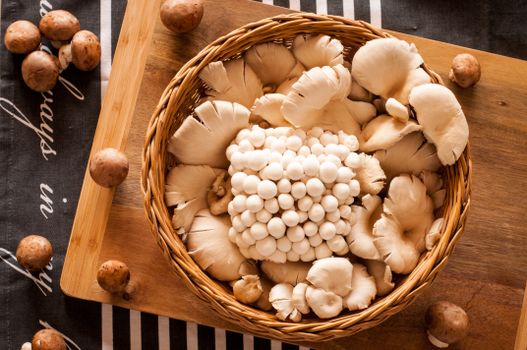
A person who grows edible or medicinal mushrooms in a controlled environment, like a special farm. They learn about different mushroom species and how to provide the best conditions for them to grow, eventually selling them to shops or restaurants.
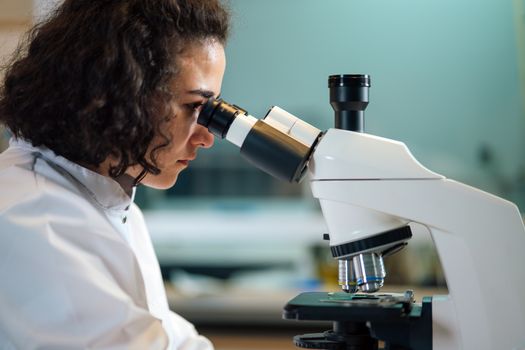
This role involves studying diseases that affect plants, especially those caused by fungi. You would help farmers and gardeners understand why their plants are getting sick and find ways to keep them healthy. It's like being a plant doctor who specialises in fungal illnesses.
Start by looking for different types of fungi in your garden, local park, or woods. You'll be amazed at how many different kinds there are!
When you're out and about, look carefully at the ground, tree trunks, and decaying wood. You might spot a variety of mushrooms, strange-looking bracket fungi, or even colourful moulds. Remember, never touch or eat wild fungi unless you are with an expert, as some can be poisonous. Just observe them and maybe take photos to remember what you saw.
Discover more about fungi by reading books or visiting websites that explain what fungi are and why they are important.
There are many fantastic children's books and educational websites about nature and science that can teach you about fungi. Look for information on what fungi eat, how they grow, and the different roles they play in nature, like breaking down dead leaves or helping plants grow. Watching documentaries can also be a great visual way to learn.
Find a local club or group that explores nature. They often have experts who can teach you about fungi safely.
Many wildlife trusts or nature centres run groups for young people interested in the natural world. These groups often organise guided walks where you can learn to identify different plants, animals, and fungi with experienced guides. It's a fun way to meet other people who share your interests and learn a lot in a safe environment.
At school, pay extra attention in science lessons, especially biology. This will give you a strong foundation for understanding living things.
Biology is all about living organisms, and fungi are a huge part of that. Understanding topics like cells, ecosystems, and how different organisms interact will be super helpful. Chemistry can also be useful for understanding how fungi work at a chemical level, so don't ignore that either!
Good maths skills are important for science, helping you to understand data and experiments.
Scientists often use maths to measure things, analyse results from experiments, and understand patterns. Being good at maths will help you interpret scientific findings and even design your own experiments when you're older. It's a really useful skill for any science career.
Learn to observe things carefully and write down what you see. This is a key skill for any scientist.
Whether it's in a science experiment at school or just observing nature, try to notice small details and record them accurately. You could keep a nature journal where you draw or describe fungi you find, noting their colour, size, where they grew, and the date. This helps develop the precise skills needed for scientific research.
After your GCSEs, choose A-levels or college courses that focus on science, especially biology.
To become a mycologist, you'll almost certainly need to go to university. To get into a university biology or related science degree, A-levels in subjects like Biology, Chemistry, and sometimes Maths are highly recommended. These subjects will give you a deeper understanding of scientific principles and prepare you for higher education.
Study a degree in a relevant subject like Biology, Mycology, or Microbiology at university.
Many universities in the UK offer degrees in Biological Sciences, Microbiology, or even specific modules in Mycology. During your degree, you'll learn advanced scientific techniques, carry out experiments, and get the chance to specialise in areas you find most interesting, like fungi! This is where you'll gain the in-depth knowledge needed to be a mycologist.
After your degree, you might do a Master's or PhD, or look for entry-level jobs or internships in research.
Many mycologists go on to do postgraduate study (like a Master's or PhD) to become experts in a particular area of fungi. This often involves conducting your own research project. Alternatively, you could look for entry-level roles as a research assistant in a university, lab, or even a pharmaceutical company, where you'd work alongside experienced mycologists and gain valuable practical experience.
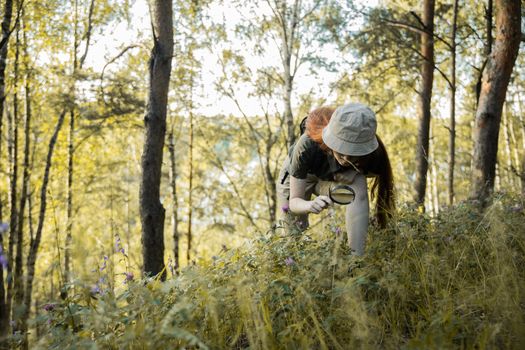
A Botanist studies plants, including everything from tiny mosses to giant trees. Like Mycologists, they spend time in labs and outdoors, understanding how plants grow and contribute to ecosystems.
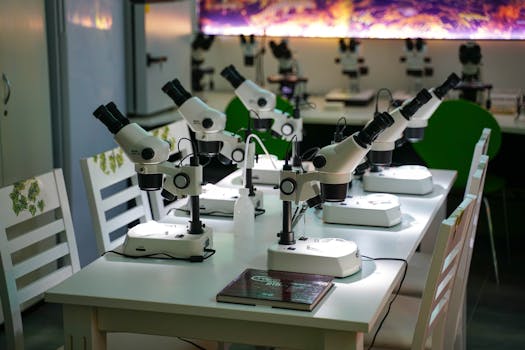
A Microbiologist studies very tiny living things, known as microbes, which include bacteria, viruses, and some fungi. They often work in health, food, or environmental science, similar to Mycologists but with a broader range of organisms.

An Environmental Scientist looks at how humans impact the environment and how we can protect it. This could involve studying soil health, water quality, or biodiversity, where fungi often play a crucial role.
Explore relevant apprenticeships that can help you kickstart your career in Mycologist. Apprenticeships offer hands-on experience and training while earning a wage.
Explore other careers or use our AI to discover personalised paths based on your interests.
Address
Developing Experts Limited
Exchange Street Buildings
35-37 Exchange Street
Norwich
NR2 1DP
UK
Phone
01603 273515
Email
[email protected]
Copyright 2026 Developing Experts, All rights reserved.

Unlock expert-designed lessons, resources, and assessments tailored for educators. No credit card required.
Claim Your Free Trial →We use cookies to enhance your browsing experience and analyze our traffic. Learn more.

