Imagine a world full of tiny, hidden treasures like mushrooms, moulds, and yeasts! A Mycologist is a super scientist who studies these amazing living things, called fungi. They learn how fungi grow, where they live, and what special jobs they do. Some fungi help plants grow, some help us make tasty food like bread and cheese, and some can even help us make medicines. Mycologists might spend their time looking through microscopes, growing fungi in labs, or even going on adventures outside to find new types of mushrooms in forests or fields. They are like detectives of the fungal world, always discovering new and exciting things. Studying fungi is very important because they affect our lives in many ways. A Mycologist might work to find new ways to use fungi to clean up pollution, or to create new antibiotics to fight sickness. They also help us understand which mushrooms are safe to eat and which ones are best left alone. It is a job that needs a lot of careful looking, thinking, and a big love for nature's smallest wonders.
A new Mycologist in the UK might earn around 20,000 to 25,000 pounds a year. This can go up as they learn more.
With lots of experience, a Mycologist could earn 35,000 to over 50,000 pounds a year. Some very important jobs pay even more.
While not as common as some jobs, there are usually around 100 to 200 jobs for scientists like Mycologists advertised each year in the UK. Many of these are in universities or special research places.
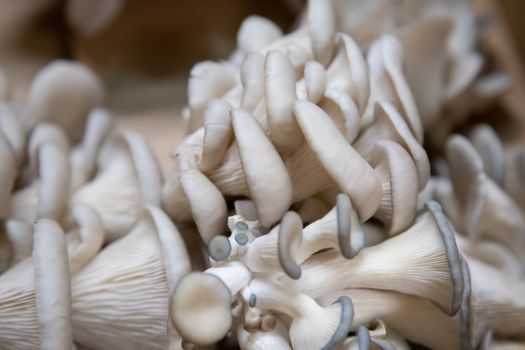
Growing yummy mushrooms to eat, like the ones you put on pizza or in a stir-fry, by learning all about their special needs.
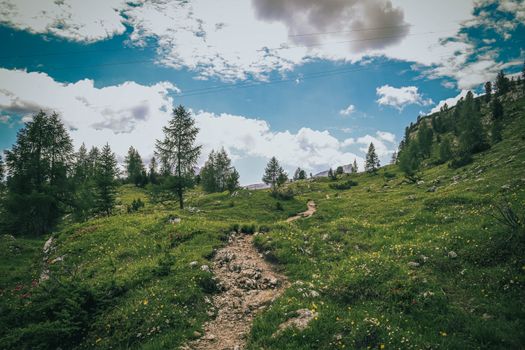
Hunting for different kinds of fungi, like tiny toadstools and colourful bracket fungi, in forests and parks, and helping to identify them.
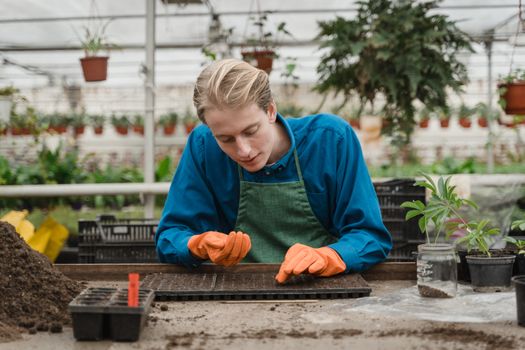
Discovering how mushrooms and other fungi help plants grow big and strong, by working in a lab or a garden to see their secret teamwork.
Go on exciting adventures outdoors with a grown-up to look for different types of fungi like mushrooms or mould on old logs. Remember not to touch or eat wild fungi without an adult's permission!
Start by visiting local parks, woods, or even your garden. Look under leaves, on tree trunks, and in damp places. You might spot tiny mushrooms, colourful moulds, or even slimy bracket fungi. Take pictures or draw what you see in a nature journal. This helps you notice details and learn about different shapes and colours of fungi in their natural homes. Always have a grown-up with you and never touch unknown fungi as some can be harmful.
Find books about mushrooms and other fungi at your library or online. You can learn lots of amazing facts about them from stories and pictures.
Libraries often have children's books that introduce fungi in a friendly and exciting way. Look for books with colourful illustrations that show different types of mushrooms, explain how they grow, and talk about the animals that live near them. Learning from books helps you understand the different parts of fungi and their important roles in nature, like helping plants grow or breaking down old wood.
With a grown-up, you could try growing some common fungi like edible mushrooms from a kit, or even watching mould grow on bread (in a sealed bag!) to see how it changes.
Growing a mushroom kit is a fun way to see how fungi develop from tiny spores into full mushrooms. You can watch them change shape and size each day. Another interesting project is to put a slice of bread in a sealed plastic bag and observe mould growing on it over a few days. This shows you how fungi like mould can grow in different environments. Remember to keep the mould in a sealed bag and wash your hands after observing it, as it's not safe to touch or eat.
Look for science clubs at school or in your local community. These clubs often do cool experiments and activities that teach you more about nature and science, including fungi!
Science clubs are a fantastic place to meet other children who love science and nature. You might get to use microscopes to look closely at tiny things, or do projects about plants and fungi. These clubs can help you ask questions, try out ideas, and learn how scientists discover new things. It's a great way to make learning fun and hands-on.
Talk to adults or look up online about how fungi are used. Some help us make yummy food like bread and cheese, others help plants grow, and some even help clean up pollution!
Fungi have many important jobs. For example, yeast is a tiny fungus that helps bread rise and makes fizzy drinks. Other fungi are used to make delicious cheeses or even some medicines that help us when we are sick. You can also learn about how some fungi help trees in forests by sharing food with their roots. Understanding these different roles helps you see how fungi are important in many parts of our lives and in nature.
Some places like botanical gardens have special displays about fungi or plants. Museums sometimes have exhibits about nature where you can learn even more.
Botanical gardens are places where many different plants and sometimes fungi are grown and displayed. You might see special areas dedicated to mushrooms or learn about how fungi help the plants. Natural history museums often have exhibits about different organisms, including fungi, showing models or preserved samples and explaining their life cycles and importance. These visits can give you a deeper look at the amazing world of mycology.
Always wonder why things are the way they are! Why do some mushrooms grow after it rains? Why is mould fuzzy? Asking questions is how scientists learn new things.
Scientists are always asking 'why?' and 'how?'. When you see a mushroom, think about what it needs to grow, or why it has that particular colour or shape. If you see mould, think about what it's eating and why it's growing there. Don't be afraid to ask your teachers, parents, or look up answers in books. Every question you ask helps you think like a real scientist and understand the world of fungi better.
Draw or write down what you see when you're looking for fungi. Note where you found them, what colour they were, and how they looked. This helps you remember and compare them.
A nature journal is like a scientist's notebook. When you find a mushroom or mould, write down the date, where you saw it (e.g., 'under an oak tree' or 'on old bread'), and draw a picture. You can describe its colour, size, and any special features. Over time, you'll see patterns, like certain fungi only growing in certain places or at certain times of the year. This is how scientists collect data and make discoveries!
There are lots of fun videos online (with a grown-up's help!) about fungi, showing them grow or how scientists study them. These can be really exciting to watch!
Many educational websites and channels have short, interesting videos about fungi. You might see time-lapse videos showing mushrooms popping up from the ground, or animations explaining how fungi spread their spores. Watching these videos can bring the world of mycology to life and help you understand complex ideas in a simple, visual way. Always ask a grown-up to help you find safe and appropriate videos to watch.
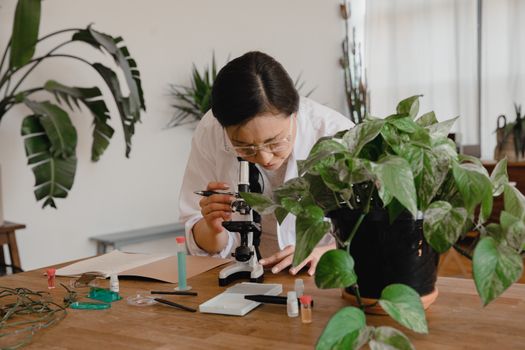
A Botanist is a scientist who studies plants. They learn about trees, flowers, and all kinds of greenery, much like a Mycologist studies fungi.
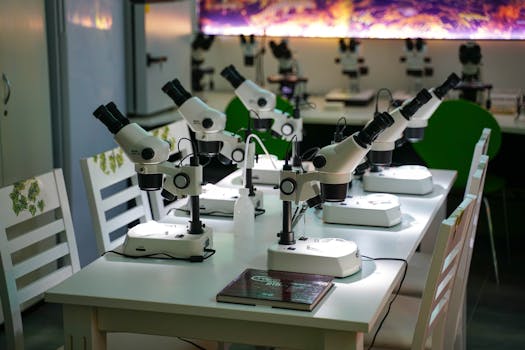
A Microbiologist studies very tiny living things, called microbes, that you can only see with a microscope. Fungi are often studied by microbiologists too.

An Environmental Scientist studies how living things and the Earth work together. They might use what they learn about fungi to help protect our planet.
Explore relevant apprenticeships that can help you kickstart your career in Mycologist. Apprenticeships offer hands-on experience and training while earning a wage.
Explore other careers or use our AI to discover personalised paths based on your interests.
Address
Developing Experts Limited
Exchange Street Buildings
35-37 Exchange Street
Norwich
NR2 1DP
UK
Phone
01603 273515
Email
[email protected]
Copyright 2026 Developing Experts, All rights reserved.

Unlock expert-designed lessons, resources, and assessments tailored for educators. No credit card required.
Claim Your Free Trial →We use cookies to enhance your browsing experience and analyze our traffic. Learn more.

