


Creating Career Path...

Finding Further Careers...

Environmental Planner

View this career for different education levels:

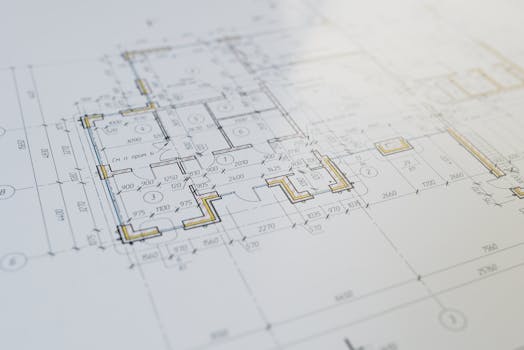
An Environmental Planner is like a detective and a designer for the planet, but for towns and cities! Their main job is to make sure that when new buildings, roads, or even whole towns are planned, they do as little harm as possible to the environment. They think about things like air quality, protecting wildlife, preventing floods, and making sure we use resources wisely. They look at maps, visit sites, and read lots of reports to understand the potential effects of a new project. Then, they help create plans that are good for both people and nature. They work with lots of different people, including architects who design buildings, engineers who build roads, and local councils who make decisions about their areas. They might advise on how to make a new housing estate more eco-friendly, or how to restore a natural habitat that's been damaged. It's a really important job because it helps us build a sustainable future, meaning we can live well today without making it harder for people in the future to live well too.

Environmental Planner

Flag Media

Please select a reason for flagging this content.

📊 Statistics

Average Starting Salary

For an entry-level Environmental Planner in the UK, you might expect to earn around 22,000 to 28,000 pounds per year.

Experienced Salary

With more experience, Environmental Planners can earn between 35,000 and 50,000 pounds annually. Senior roles can go even higher.

Job Growth

The demand for environmental professionals, including planners, is growing in the UK due to new laws and a greater focus on protecting our planet.

🚀 Careers in this path

Flag Media

Please select a reason for flagging this content.

Local Authority Planning Assistant

Imagine helping your local council decide where new houses or parks should go. You'd look at maps, understand rules and make sure new buildings fit in with the environment and the community. It's about making sure your town grows in a good way.

Flag Media

Please select a reason for flagging this content.

Urban Designer Assistant

This is like being an architect for whole neighbourhoods, not just single buildings. You'd help design public spaces, parks, and street layouts to make towns and cities attractive, easy to get around, and good places for people to live and play, thinking about nature too.

Flag Media

Please select a reason for flagging this content.

Conservation Officer Assistant

If you love nature and history, this could be for you! You'd help protect special places like old buildings, wildlife habitats, or beautiful landscapes. This involves researching, visiting sites, and advising on how to look after these important parts of our heritage and environment.

Build Your Foundations

Explore Your Interests

Start by finding out what parts of the environment you enjoy most, like animals, plants, rivers, or how towns are designed.

At school, pay attention in subjects like Geography, Biology, Science, and even History, as they can all link to understanding our planet and how we live on it. Read books or watch documentaries about nature, climate change, or city planning. Joining an eco-club or a nature group can be a great way to learn more about the world around you and meet people who share your interests.

Achieve Good Grades

Work hard in your school subjects, especially those related to science, geography, and maths, to open up future study options.

When you choose your GCSEs, think about picking subjects like Geography, Biology, Chemistry, Physics, or even Environmental Science if your school offers it. These subjects will give you a strong understanding of how the natural world works and how human activities can impact it. Good grades are important for getting into further education.

Consider A-Levels or College Courses

After GCSEs, think about studying subjects like Geography, Environmental Science, Biology, or even Economics at A-level or college.

These subjects are key for getting into university courses that lead to a career in environmental planning. Geography will teach you about landscapes and human interaction, Environmental Science will cover ecosystems and conservation, and Biology will help you understand living organisms. Sometimes, even subjects like Maths can be useful for data analysis in planning.

Higher Education & Skills

Go to University

Study for a degree in a relevant subject like Environmental Planning, Geography, Environmental Science, or Ecology.

A Bachelor's degree (like a BSc or BA) is usually essential. Look for courses that are accredited by professional bodies like the Royal Town Planning Institute (RTPI) or the Institute of Environmental Management & Assessment (IEMA), as this can make it easier to become a chartered professional later on. University will give you deep knowledge and practical skills for the job.

Gain Practical Experience

Look for internships, work experience, or volunteer roles related to planning or environmental protection during your studies.

Many universities offer placements as part of their degree courses. You could also volunteer with local environmental charities, councils, or planning consultancies. This 'hands-on' experience is incredibly valuable for understanding what the job is really like and making connections with people in the industry. It also looks great on your CV!

Develop Key Skills

Practice important skills like problem-solving, teamwork, communication, and using computers for mapping (GIS).

Environmental Planners need to be good at thinking through problems, working with different people, and explaining their ideas clearly, both in writing and speaking. Learning how to use Geographic Information Systems (GIS) software, which creates maps and analyses geographical data, is a really important skill for this career and is often taught at university.

Start Your Career

Apply for Entry-Level Jobs

Look for jobs as a Junior Environmental Planner, Planning Assistant, or Environmental Consultant Trainee.

These roles are a fantastic way to start your career after university. You'll often work under experienced planners, learning the ropes and taking on more responsibility as you gain confidence. Look for vacancies with local councils, environmental consultancies, government agencies, or large development companies. Your university careers service can often help you find these opportunities.

Join Professional Bodies

Become a member of organisations like the Royal Town Planning Institute (RTPI) or the Institute of Environmental Management & Assessment (IEMA).

Joining these professional bodies shows you're serious about your career. They offer resources, networking opportunities, and pathways to becoming a 'chartered' professional. Chartered status means you're recognised as having high levels of competence and ethical practice, which can really help your career progress and open up more senior roles.

Continue Learning and Developing

Keep learning new things about environmental issues, planning laws, and new technologies throughout your career.

The world of environmental planning is always changing, with new laws, technologies, and challenges emerging. Attend workshops, training courses, and conferences to stay up-to-date. This 'continuing professional development' (CPD) is important for staying good at your job and for advancing to more senior roles like Senior Environmental Planner or Head of Planning.

🎬 Useful Videos

🎯 View Apprenticeships

Explore relevant apprenticeships that can help you kickstart your career in Environmental Planner. Apprenticeships offer hands-on experience and training while earning a wage.

Career Progressions

This page showcases various career options and the pathways to reach them. Each career listed here shares transferable skills and knowledge, making it easier for individuals to transition between them.

Your current career is highlighted to help you see how it fits into the broader landscape of potential career choices. By clicking on any career, you can learn more about it, including the training and education required to pursue it.

Remember, progressing in your career often involves further learning and training. This page provides insights into future career options as well as those that can lead up to your current one.

These career progression decisions are informed by comparing the skills and knowledge needed for different occupations, along with data on how people move between them. Explore the possibilities and discover the exciting journey ahead in your career!

Sample Qualifications

An Environmental Planner typically focuses on land use, spatial planning, and policy development with an environmental lens, which closely aligns with the core functions of a Town Planner, particularly those involved in sustainable development and environmental policy within urban and regional planning.

How to become

You can get into this job through:

  • a university course
  • an apprenticeship
  • working towards this role

University

You can study for a degree or a postgraduate qualification accredited by the Royal Town Planning Institute (RTPI).

Subjects include:

  • planning, environment and development
  • city and regional planning
  • geography and planning
  • urban planning and property development

You can do postgraduate qualification in planning if you have a degree in an unrelated subject.

Entry requirements

You'll usually need:

  • 2 to 3 A levels, or equivalent, for a degree
  • a degree in any subject for a postgraduate course

More Information

Apprenticeship

You could apply to do a Chartered Town Planner Level 7 Degree Apprenticeship.

This can take around 5 years to complete and is a mix of on-the-job training and study at university. Contact apprenticeship training providers for details.

Entry requirements

Most people following this route have:

  • 4 or 5 GCSEs at grades 9 to 4 (A* to C) and A levels, or equivalent, for a degree apprenticeship

More Information

Work

You could start as a town planning assistant with an organisation and take further training while you work.

You'll need the backing of your employer and you'll combine practical experience with part-time or distance learning study towards an accredited planning qualification.

Volunteering

You'll find it useful to get as much work experience as possible. This will give you a better understanding of the career, and the contacts you make may help you to find paid work.

You can search for companies listed by the Royal Town Planning Institute or contact your local council to ask about opportunities.

More Information

Professional and industry bodies

You could join the Royal Town Planning Institute for networking, events and professional development training opportunities.

Further information

You can find out more about careers in town planning from the Royal Town Planning Institute.

Interested in More Career Paths?

Explore other careers or use our AI to discover personalised paths based on your interests.

Stay connected

Join our newsletter to stay up to date on features and releases

Address
Developing Experts Limited
Exchange Street Buildings
35-37 Exchange Street
Norwich
NR2 1DP
UK

Phone
01603 273515

Email
[email protected]

Copyright 2026 Developing Experts, All rights reserved.
