
Creating Career Path...

Finding Further Careers...

Environmental Conservation Officer

View this career for different education levels:

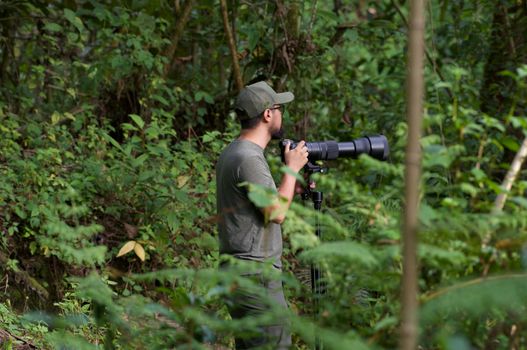
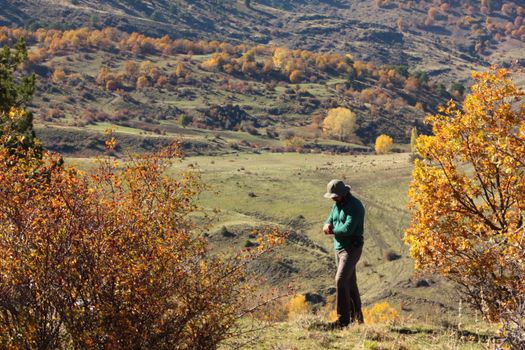
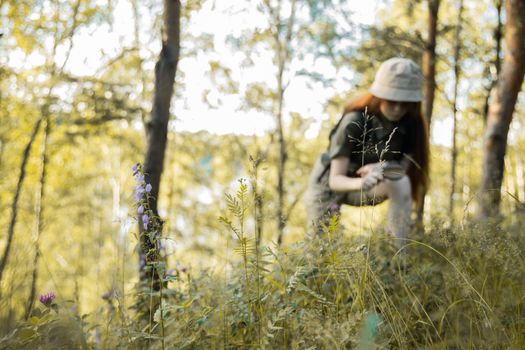
An Environmental Conservation Officer in the UK is like a superhero for nature! Their main job is to protect and improve our natural environment, which includes everything from forests and rivers to beaches and wildlife. They might spend their time out in the field, monitoring wildlife populations, checking the health of habitats, or making sure that special protected areas are looked after properly. They also work with local communities, landowners, and other organisations to encourage sustainable practices and help people understand why looking after our planet is so important. This role involves a mix of outdoor work, scientific investigation, and communication. You could be helping to manage a nature reserve, planning projects to restore damaged habitats, or educating the public about conservation issues. It often requires good problem-solving skills, a love for the outdoors, and a keen interest in biology and environmental science. It's a really rewarding job for anyone who cares deeply about protecting the amazing natural beauty and biodiversity of the UK.

Environmental Conservation Officer

Flag Media

Please select a reason for flagging this content.

📊 Statistics

Average Starting Salary

Starting salaries for Environmental Conservation Officers in the UK can be around 20,000 to 25,000 pounds per year.

Experienced Salary Range

With more experience, salaries can increase to between 28,000 and 38,000 pounds per year, and sometimes even higher for senior roles.

Number of Positions

While specific numbers for this exact role can be hard to pin down, the environmental sector in the UK employs many thousands of people, with a steady demand for roles protecting and managing our natural world.

🚀 Careers in this path

Flag Media

Please select a reason for flagging this content.

Park Ranger

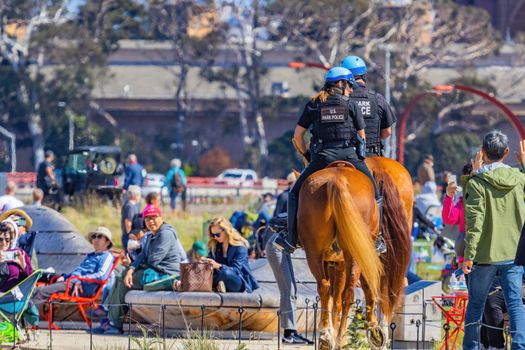
Imagine working outdoors in a national park or nature reserve. A Park Ranger helps look after the wildlife and plants, guides visitors, teaches them about nature, and makes sure everyone follows the rules to keep the park safe and beautiful. You might help with things like trail maintenance or educational walks.

Flag Media

Please select a reason for flagging this content.

Wildlife Biologist Assistant

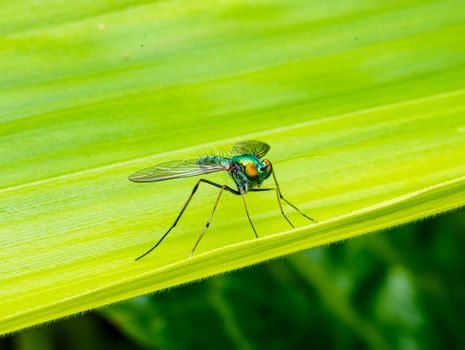
If you love animals, this could be for you! A Wildlife Biologist Assistant helps scientists study wild animals and their habitats. You could be helping to count birds, track animal movements, collect samples, or observe how different animals behave in their natural environment. It's all about understanding and protecting wildlife.

Flag Media

Please select a reason for flagging this content.

Ecology Project Coordinator

This role is all about helping to organise and run projects that protect the environment. An Ecology Project Coordinator might help plan tree planting events, organise beach cleanups, or set up conservation workshops for the local community. It involves working with lots of different people to make positive changes for nature.

Build Your Foundation

Excel in Science Subjects

Focus on subjects like Biology, Chemistry, and Geography at school. These will give you a great understanding of how the natural world works.

Understanding biology helps you learn about plants and animals, chemistry teaches you about pollution, and geography helps you understand landscapes and ecosystems. These subjects are really important for understanding environmental issues and how to solve them. Try to get good grades in these as they will be helpful for further education.

Join Nature Clubs or Volunteer

Get involved in local conservation groups or volunteer at a nature reserve, park, or wildlife sanctuary. This is a fantastic way to gain practical experience.

Volunteering or joining a club shows you're passionate about the environment and gives you hands-on experience. You might learn about identifying wildlife, planting trees, clearing litter, or maintaining footpaths. It's also a great way to meet people who work in conservation and learn from them.

Read and Research

Read books, articles, and watch documentaries about wildlife, conservation, and environmental issues. Stay informed about what's happening in the world.

The more you know about current environmental challenges, different species, and successful conservation projects, the better. This will help you understand the kind of work an Environmental Conservation Officer does and develop your passion even further. Look up organisations like the National Trust or RSPB to see what they do.

Gain Skills and Knowledge

Consider Further Education

Think about studying for A-levels or a BTEC in subjects related to science, environmental studies, or land management after your GCSEs.

Many Environmental Conservation Officer roles require a degree or a higher education qualification. A-levels in subjects like Biology, Environmental Science, or Geography are excellent choices. A BTEC in Applied Science or Environmental Sustainability can also provide a strong vocational pathway and practical skills.

Learn Practical Outdoor Skills

Develop skills like map reading, first aid, bushcraft, or even using tools safely. These are super useful for working outdoors.

Environmental Conservation Officers spend a lot of time outdoors in various weather conditions. Being able to navigate, administer basic first aid, and safely use equipment like chainsaws or strimmers (with proper training) are highly valued skills. Look for local courses or even scout groups that teach these kinds of practical outdoor competencies.

Improve Communication Skills

Practise speaking clearly, listening well, and writing effectively. You'll need to talk to many different people in this job.

As an Environmental Conservation Officer, you'll be educating the public, explaining regulations, and sometimes dealing with difficult situations. Being able to communicate effectively and politely is crucial. Joining a debate club, participating in school plays, or giving presentations can help you build confidence in your communication abilities.

Start Your Career Journey

Pursue a Relevant Degree

Consider a university degree in subjects like Environmental Science, Conservation Biology, Ecology, or Countryside Management.

A degree is often a common entry point for Environmental Conservation Officer roles. These courses will give you in-depth knowledge and practical skills through fieldwork and projects. Look at different university courses and their modules to see which one excites you the most and fits your interests.

Seek Internships or Entry-Level Jobs

Look for internships, apprenticeships, or entry-level positions with organisations like the National Trust, RSPB, or local councils.

Even with a degree, gaining practical work experience is vital. Internships or trainee roles provide invaluable hands-on learning and networking opportunities. You might start as a conservation assistant, ranger assistant, or a volunteer coordinator. These roles often lead to permanent positions and give you a foot in the door.

Build a Professional Network

Attend conservation events, join professional bodies, and connect with people working in the environmental sector.

Networking can open doors to job opportunities and mentorship. Attend career fairs, workshops, or webinars related to conservation. Joining organisations like the Chartered Institute of Ecology and Environmental Management (CIEEM) can also provide access to resources and professional connections.

🎬 Useful Videos

🎯 View Apprenticeships

Explore relevant apprenticeships that can help you kickstart your career in Environmental Conservation Officer. Apprenticeships offer hands-on experience and training while earning a wage.

Career Progressions

This page showcases various career options and the pathways to reach them. Each career listed here shares transferable skills and knowledge, making it easier for individuals to transition between them.

Your current career is highlighted to help you see how it fits into the broader landscape of potential career choices. By clicking on any career, you can learn more about it, including the training and education required to pursue it.

Remember, progressing in your career often involves further learning and training. This page provides insights into future career options as well as those that can lead up to your current one.

These career progression decisions are informed by comparing the skills and knowledge needed for different occupations, along with data on how people move between them. Explore the possibilities and discover the exciting journey ahead in your career!

Sample Qualifications

An Environmental Conservation Officer's role involves protecting and managing natural environments, similar to a Countryside Officer who focuses on conservation and public access within rural and natural areas, often enforcing related regulations.

How to become

You can get into this job through:

  • a university course
  • a college course
  • an apprenticeship
  • working towards this role

University

You could do a foundation degree, higher national diploma or degree before applying for work as a countryside officer.

Relevant courses include:

  • countryside or environmental management
  • ecology and geography
  • environmental studies
  • plant biology
  • conservation

Entry requirements

You'll usually need:

  • 1 or 2 A levels, or equivalent, for a foundation degree or higher national diploma
  • 2 to 3 A levels, or equivalent, for a degree

More Information

College

You may be able to start as a trainee countryside officer after completing a course at an agricultural college, such as:

  • countryside studies
  • countryside management
  • T Level in Agriculture, Land Management and Production

Entry requirements

Entry requirements for these courses vary.

  • 4 or 5 GCSEs at grades 9 to 4 (A* to C), or equivalent, including English and maths for a T Level

More Information

Apprenticeship

You could apply to do a Countryside Ranger Level 4 Higher Apprenticeship.

This can take around two and half years to complete.

Entry requirements

You'll usually need:

  • 4 or 5 GCSEs at grades 9 to 4 (A* to C) and A levels, or equivalent, for a higher or degree apprenticeship

More Information

Work

You may be able to join an organisation as a countryside ranger, or assistant officer, and work your way up through on-the-job training and promotion.

Volunteering

Volunteering is a good way to get practical experience, meet new people and develop your network of contacts.

You can find opportunities with:

More Information

Professional and industry bodies

You could join the Countryside Management Association for professional development training.

Further information

You can get more details about working in the countryside from:

Interested in More Career Paths?

Explore other careers or use our AI to discover personalised paths based on your interests.

Stay connected

Join our newsletter to stay up to date on features and releases

Address
Developing Experts Limited
Exchange Street Buildings
35-37 Exchange Street
Norwich
NR2 1DP
UK

Phone
01603 273515

Email
[email protected]

Copyright 2026 Developing Experts, All rights reserved.
