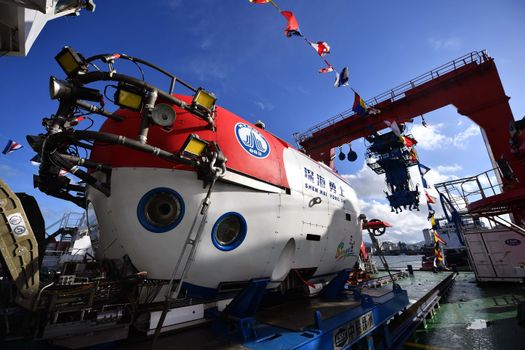
Imagine a detective, but for the ocean! That is a bit like what an Oceanographer does. These brilliant scientists study everything about our oceans, from the tiniest plankton to the biggest waves, and even the deep-sea currents. They look at how the ocean works, how it affects our weather, and how human activities impact it. This might involve going out on research ships to collect samples, using amazing underwater robots, or working in a lab analysing data. They might study marine life (biological oceanography), the chemicals in the water (chemical oceanography), the ocean's physical movements like currents and tides (physical oceanography), or the ocean floor itself (geological oceanography). It is a super important job because understanding our oceans helps us protect marine life, predict climate change, and manage our planet's resources. Being an Oceanographer often means you will spend time both outdoors, sometimes in challenging conditions at sea, and indoors, working with computers and lab equipment. You will need to be good at science, especially biology, chemistry, and physics, and enjoy solving puzzles. You might work for universities, government agencies like the National Oceanography Centre, environmental organisations, or even private companies. It is a career that lets you explore some of the most mysterious and important parts of our world.
This can take a few seconds.
Address
Developing Experts Limited
Exchange Street Buildings
35-37 Exchange Street
Norwich
NR2 1DP
UK
Phone
01603 273515
Email
[email protected]
Copyright 2026 Developing Experts, All rights reserved.

Unlock expert-designed lessons, resources, and assessments tailored for educators. No credit card required.
Claim Your Free Trial →We use cookies to enhance your browsing experience and analyze our traffic. Learn more.

