



Creating Career Path...

Finding Further Careers...

Cyber Intelligence Analyst

View this career for different education levels:

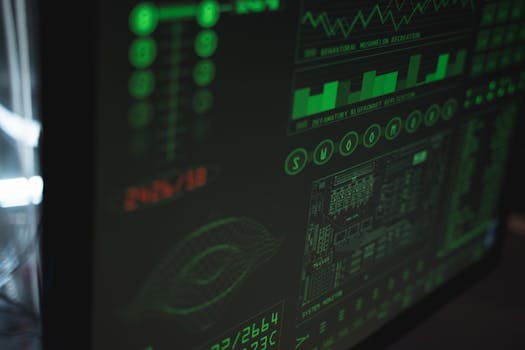
Imagine you are a detective, but instead of looking for clues in the real world, you are looking for clues in the world of computers and the internet! That is a bit like what a Cyber Intelligence Analyst does. Their job is to find out about bad people or groups who might try to hack into computer systems, steal information, or cause problems online. They look for patterns, warnings, and hints to understand how these bad actors work and what they might do next. It is like putting together a big puzzle to protect important information and make sure computers and networks are safe. They help companies and governments stay one step ahead of the bad guys by understanding their tricks. Cyber Intelligence Analysts spend their days researching online, looking at data, and writing reports to tell others about the dangers they have found. They might use special computer tools to find information that is hidden or hard to see. They need to be very curious and good at solving problems, almost like a super-spy for the digital world! They help make sure our online world is a safer place for everyone, from keeping your online games safe to protecting big banks.

Cyber Intelligence Analyst

Flag Media

Please select a reason for flagging this content.

📊 Statistics

Starting Salary

A new Cyber Intelligence Analyst in the UK might start with a salary of around 25,000 to 35,000 pounds per year.

Experienced Salary

With more experience, a Cyber Intelligence Analyst can earn between 45,000 and 70,000 pounds per year, and sometimes even more for very senior roles.

Job Openings

There are thousands of job openings for people who work in cyber security roles across the UK each year, showing it is a growing and important area.

🚀 Careers in this path

Flag Media

Please select a reason for flagging this content.

Digital Detective

Imagine you are a detective, but instead of looking for clues in the real world, you look for them on computers and the internet! You would help find out who is trying to do naughty things online and help stop them.

Flag Media

Please select a reason for flagging this content.

Online Safety Helper

You would be like a superhero who helps people stay safe when they are using computers and playing games online. You would teach them how to spot tricks and keep their secret information private.

Flag Media

Please select a reason for flagging this content.

Code Protector

Think of computer programmes as secret codes. As a Code Protector, you would learn how to build strong walls around these codes to stop sneaky people from trying to break in and change them. You'd make sure everything works properly and stays safe.

Learning About Computers and the Internet

Become a Computer Explorer

Start by getting really good at using computers and understanding how they work. Play educational computer games and learn to use different programs.

At this stage, you can have lots of fun exploring different parts of a computer. Try typing stories, drawing pictures with art programmes, or playing games that teach you how to solve puzzles using computers. Ask grown-ups to show you how different parts of a computer, like the keyboard, mouse, and screen, all work together. Understanding the basics of how computers operate is the very first step in becoming a cyber detective.

Discover the Internet's Secrets

Learn how the internet connects computers all over the world. Understand what websites are and how they help us find information and talk to people.

The internet is like a giant library and playground all rolled into one, connecting millions of computers! Ask a grown-up to show you how to safely browse websites to find information about your favourite animals or learn a new skill. You can learn about search engines like Google and how they help you find what you're looking for. Understanding how information travels on the internet is key to knowing where cyber clues might be hiding.

Uncover Digital Safety Rules

Learn about staying safe online. Understand why it's important not to share personal information and how to create strong passwords.

Just like you learn road safety, online safety is super important! Learn about 'digital strangers' and why you should never tell someone online your real name, address, or school without asking a grown-up first. Practice making up strong passwords that are hard for others to guess, like using a mix of letters and numbers. Knowing how to protect yourself is the first step in learning to protect others' information too.

Developing Detective Skills

Practice Problem Solving

Play games and do activities that make you think like a detective. Look for patterns, solve puzzles, and figure out how things work.

Cyber Intelligence Analysts are like master puzzle solvers! You can practice these skills by playing logic games, completing jigsaw puzzles, or even building with LEGO bricks where you have to follow instructions or figure out how to make something stable. Every time you solve a tricky problem or figure out a riddle, you're making your brain stronger for future cyber detective work.

Become a Code Breaker

Learn simple coding. This helps you understand how computers 'talk' and how they follow instructions.

Coding is like teaching a computer a secret language! You can start with simple visual coding games like Scratch or apps that teach you basic programming concepts. Learning to give a computer instructions helps you understand how programmes are built and, later on, how a cyber 'bad guy' might try to sneak their own instructions into a computer. It's like learning to read a secret map to find treasure!

Explore How Networks Connect

Learn how computers are linked together, like a big web. Understand how information travels from one computer to another.

Imagine a network like lots of roads connecting different houses. Information is like a car travelling along these roads! You can learn how your computer at home connects to the internet, or how all the computers at your school are linked. Understanding these connections helps cyber analysts see where a 'bad guy' might try to sneak into the system or where important information is going.

Thinking Like a Cyber Hero

Curiosity About Technology

Always be curious about new technology and how it works. Ask questions about computers, phones, and the internet.

A great cyber detective is always asking 'Why?' and 'How does that work?'. Keep exploring new apps, games, and devices. Read books or watch videos about the latest gadgets and how they help us. The more you understand about technology, the better you'll be at spotting when something isn't quite right or when a new threat appears.

Develop a Detective's Eye

Practice paying close attention to details. Look for small clues and understand how they fit into a bigger picture.

Just like a detective looking for footprints or fingerprints, a Cyber Intelligence Analyst looks for tiny digital clues! You can practice this by playing 'spot the difference' games, observing things carefully around you, or even remembering details from stories. Being able to notice small things and understand what they might mean is a powerful skill for finding hidden threats.

Think About Protecting Others

Understand that being a cyber detective means helping to keep people and their important information safe from harm.

The best cyber heroes care about helping people! Think about how important it is to keep your own secrets safe and how much more important it is for businesses or hospitals to keep their information private. A Cyber Intelligence Analyst has a very important job, like a guardian, protecting digital worlds from harm. Knowing you're helping people makes it a very rewarding career.

🎬 Useful Videos

🎯 View Apprenticeships

Explore relevant apprenticeships that can help you kickstart your career in Cyber Intelligence Analyst. Apprenticeships offer hands-on experience and training while earning a wage.

Career Progressions

This page showcases various career options and the pathways to reach them. Each career listed here shares transferable skills and knowledge, making it easier for individuals to transition between them.

Your current career is highlighted to help you see how it fits into the broader landscape of potential career choices. By clicking on any career, you can learn more about it, including the training and education required to pursue it.

Remember, progressing in your career often involves further learning and training. This page provides insights into future career options as well as those that can lead up to your current one.

These career progression decisions are informed by comparing the skills and knowledge needed for different occupations, along with data on how people move between them. Explore the possibilities and discover the exciting journey ahead in your career!

Sample Qualifications

A Cyber Intelligence Analyst focuses on gathering and analysing cyber threat intelligence, which directly aligns with the duties of a Cyber intelligence officer. This role involves proactive defence against cyber threats, often through intelligence operations.

How to become

You can get into this job through:

  • a university course
  • an apprenticeship
  • working towards this role
  • a graduate training scheme

University

You can do a degree or postgraduate qualification in one of the following subjects:

  • computer science
  • computer or cyber security
  • mathematics
  • network engineering and security

You could take a postgraduate course in computing or cyber security if your first degree is not in a related subject, or if you have a lot of industry experience.

Entry requirements

You'll usually need:

  • 2 to 3 A levels, or equivalent, for a degree
  • a degree in a relevant subject for postgraduate study

More Information

Apprenticeship

You could apply to do an apprenticeship, such as:

  • Cyber Security Technologist Level 4 Higher Apprenticeship
  • Digital Forensic Technician Level 4 Higher Apprenticeship
  • Protective Security Adviser Level 4 Higher Apprenticeship
  • Cyber Security Technical Professional Level 6 Degree Apprenticeship
  • Advanced Digital Forensic Professional Level 7 Degree Apprenticeship

Entry requirements

You'll usually need:

  • 4 or 5 GCSEs at grades 9 to 4 (A* to C) and A levels, or equivalent, for a higher or degree apprenticeship
  • a degree in a relevant subject

More Information

Work

You could start work with an IT security firm, for example as a support technician after doing GCSEs or A levels, then work your way up while studying for further qualifications on the job.

Other Routes

If you have a degree or relevant work experience, you could apply for the MI5 Intelligence and Data Analyst Development Programme.

More Information

Further information

You can find out more about working in digital security from the:

If you are under 17 CyberFirst has a programme of activities including:

  • apprenticeships
  • bursaries
  • competitions
  • courses

Interested in More Career Paths?

Explore other careers or use our AI to discover personalised paths based on your interests.

Stay connected

Join our newsletter to stay up to date on features and releases

Address
Developing Experts Limited
Exchange Street Buildings
35-37 Exchange Street
Norwich
NR2 1DP
UK

Phone
01603 273515

Email
[email protected]

Copyright 2026 Developing Experts, All rights reserved.
