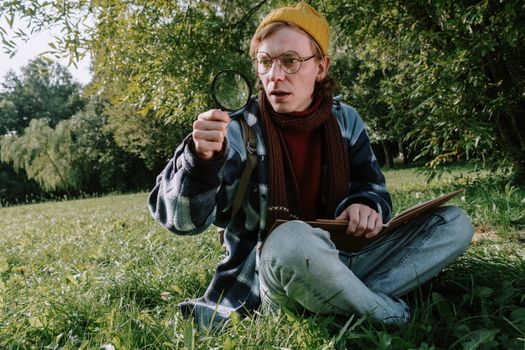
A genealogist is like a detective for family history! Your main job would be to research peoples family trees and find out all about their ancestors. This involves looking at old records like birth, marriage, and death certificates, census records (which list everyone living in a house at a certain time), wills, and even old newspaper articles or church records. You'd need to be very patient and good at piecing together clues to build a picture of a family's past. Genealogists often help people discover where their family came from, find long-lost relatives, or even solve mysteries about their family history. It's a bit like solving a puzzle, but with real people and real history! You could work for individuals, historical societies, or even help with TV programmes about family history. To be a good genealogist, you'd need to love history and be very organised. You'd spend a lot of time reading old documents, often handwriting that can be tricky to decipher, and using online archives. You'd also need to know how to use different research tools and databases. Sometimes, you might even travel to record offices, libraries, or archives to look at original documents. It's a job that requires careful attention to detail and a passion for uncovering stories from the past. Many genealogists start as hobbyists who become very skilled before turning it into a career.
For a professional genealogist in the UK, income can vary a lot, especially as many work freelance. It could range from around 20,000 to 40,000 pounds per year, depending on experience, reputation, and the types of projects undertaken. Highly experienced or specialist genealogists might earn more.
It's hard to put an exact number on 'positions' because many genealogists are self-employed. However, there are hundreds of professional genealogists and family history researchers working in the UK, either independently or for specialist firms. The market is quite niche but steady.
Clients often pay per project or per hour. A basic family tree research project might cost a few hundred pounds, while in-depth investigations or heir tracing can run into thousands. Hourly rates for professional genealogists in the UK can range from 30 to 70 pounds or more.
Imagine you're a detective, but instead of solving crimes, you're solving family mysteries! You'd help people find out about their great-grandparents and even older relatives, where they lived, and what they did for a living, by looking at old records and stories.

This is like being an explorer for your local area! You'd research the history of your town or village, looking at old maps, photos, and documents to find out what it was like many years ago, and how people lived and worked back then.

Think of yourself as a super organised librarian for old papers! You'd help museums, archives, or even just families sort through old letters, diaries, and records. Your job would be to make sure they are looked after properly and easy for others to find and read.
Start by getting really interested in history, especially British history and how families lived in the past. This will help you understand the context of the records you'll find.
You could read books about different historical periods, watch documentaries, or visit historical sites like castles or museums. Pay attention to how people lived, worked, and interacted, as this will give you clues when you're looking at old family records.
Being a good detective means knowing how to look for clues! Practice looking up information online and in books for school projects or just for fun.
Learn how to use search engines effectively to find reliable sources. Practice summarising information and noting down where you found it. This skill, called 'referencing', is super important for genealogists to prove their findings.
The best way to learn is by doing! Ask your parents and grandparents about your family history and start to build your own family tree.
Talk to older relatives and ask them about their parents and grandparents. They might have stories, old photos, or even documents like birth certificates or old letters. Use free online tools or a notebook to start mapping out your family tree and see how far back you can go.
Discover the tools and websites that genealogists use, like online archives and family history sites.
Many websites offer free trials or have sections that are free to use, such as Ancestry.co.uk or Findmypast.co.uk. Explore how to navigate these sites and understand the different types of records they hold, like census records or parish registers. Your local library might also have subscriptions you can use.
Genealogists use all sorts of old documents. Learn about what these records are and what kind of information they contain.
Records like birth, marriage, and death certificates are 'vital records' and give key dates and names. Census records tell you where families lived at a certain time and who was in the household. Parish registers from churches list baptisms, marriages, and burials. Understanding what each record provides is crucial for piecing together a family story.
Sometimes family history can be tricky, like a puzzle! Practice thinking creatively to solve problems and find missing pieces of information.
Genealogy often involves 'brick walls' where the trail seems to go cold. You'll need to think outside the box, consider alternative spellings of names, or look at neighbouring families for clues. Online forums for genealogists can be a great place to see how others tackle difficult problems.
While not always essential, a degree in history, archival studies, or a related field can be a great way to deepen your knowledge.
At university, you could study history, social history, or even specialise in local history. Some universities offer specific courses in archives and records management, which are very useful for understanding how old documents are kept and accessed. These courses can give you a strong academic background.
There are specific courses and qualifications in genealogy that can teach you advanced techniques and professional standards.
Organisations like the Institute of Heraldic and Genealogical Studies (IHGS) in the UK offer diplomas and certificates in genealogy. These courses cover everything from paleography (reading old handwriting) to understanding legal documents and ethical practices in genealogy. They are highly regarded in the field.
Volunteer or intern with organisations that deal with historical records, like local archives, museums, or family history societies.
Volunteering can give you hands-on experience with real historical documents and teach you how to handle them correctly. You might help with cataloguing, digitising records, or assisting visitors with their research. This practical experience is invaluable for building your skills and making connections with other genealogists.
An archivist looks after old documents, photographs, and digital records for organisations like local councils or universities, making sure they are preserved and available for people to research.
A historian studies and writes about the past, often focusing on specific periods, events, or themes, using historical sources just like a genealogist, but usually on a broader scale.

Librarians help people find information and resources, including historical records and books, and manage collections in libraries, which can be a key place for genealogical research.
Explore relevant apprenticeships that can help you kickstart your career in Genealogist. Apprenticeships offer hands-on experience and training while earning a wage.
Explore other careers or use our AI to discover personalised paths based on your interests.
Address
Developing Experts Limited
Exchange Street Buildings
35-37 Exchange Street
Norwich
NR2 1DP
UK
Phone
01603 273515
Email
[email protected]
Copyright 2026 Developing Experts, All rights reserved.

Unlock expert-designed lessons, resources, and assessments tailored for educators. No credit card required.
Claim Your Free Trial →We use cookies to enhance your browsing experience and analyze our traffic. Learn more.

