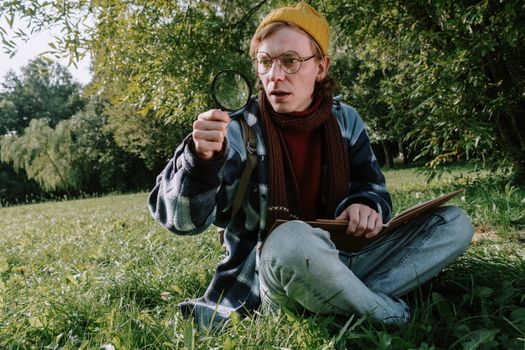
Imagine being a detective for families! That is a bit like what a genealogist does. A genealogist helps people discover their family history, going back many years, sometimes even hundreds of years! They look for clues in old documents like birth certificates, marriage records, census forms (which count everyone in the country), and even old newspapers or letters. They might visit libraries, archives (special places that keep old records), and even cemeteries to find out who someone's great great grandparents were and where they lived. It is like piecing together a giant puzzle to build a family tree. They help people understand where their family came from and what their ancestors did, which can be very exciting and help people feel connected to the past. Genealogists need to be very patient and love solving mysteries. They spend a lot of time reading old handwriting and looking carefully at details. Sometimes they travel to different places to find records that are not online. They might also help people find lost relatives or discover stories about their family that have been forgotten. It is a job for someone who loves history, is good at looking for clues, and enjoys helping people learn about themselves through their past.
A new professional genealogist in the UK might start by earning around 18,000 to 25,000 pounds per year, especially if they work for a company or firm. Many genealogists work for themselves, so their earnings can vary a lot.
Experienced genealogists in the UK, especially those running their own businesses with many clients, could earn between 30,000 to 50,000 pounds or more per year. It depends on how many jobs they take and how much they charge.
While there isnt a precise count, it is estimated that there are hundreds of professional genealogists working in the UK. Many more people enjoy genealogy as a hobby. Its a specialist job, so there arent as many as some other jobs.
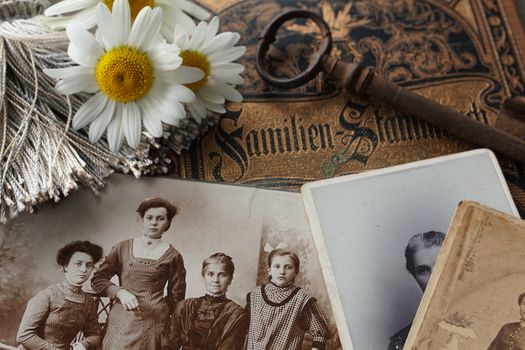
Imagine you're a detective, but instead of solving mysteries about who stole the biscuits, you're solving mysteries about your family! You'd look for clues in old photos, listen to stories from grandparents, and draw a big picture showing all the people in your family and how they're connected, like a big, lovely family tree.
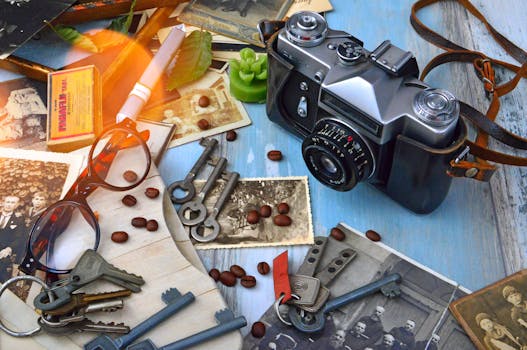
Do you love looking at old photos and wondering who the people are or what they were doing? As an Old Photo Storyteller, you'd carefully look at pictures from long ago and try to find out who the people were, where they lived, and what their lives were like. You'd help families understand the stories behind their old pictures.
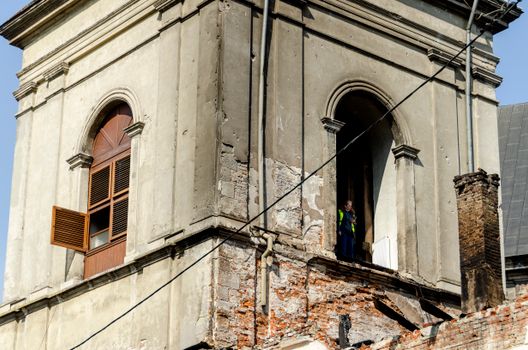
Many families have lived in the same house for a very long time! A Historical House Explorer would visit old houses and try to find out who lived there before, what their names were, and what their family was like. You'd look for clues in the house itself, like old letters or things people left behind, to build a story about the house's past families.
Start by learning about history! Read books about different times, like the Victorians or World War Two, and ask your grandparents about their lives and their parents' lives. This helps you understand how things were in the past.
To be a great genealogist, it's really helpful to love history! You can watch documentaries about different periods, visit museums, or even read historical fiction books to get a feel for what life was like long ago. The more you know about general history, the easier it will be to understand the context of the family stories you discover.
Talk to your family, like your parents, grandparents, aunties, and uncles. Ask them about their parents and grandparents. Find out where they were born, what jobs they did, and any fun stories they remember. You can start drawing your own family tree!
Your own family is the best place to start practising your detective skills! Ask open-ended questions like, 'What was Grandma's favourite thing to do when she was little?' or 'Did Grandad have any interesting hobbies?' Jot down their answers. You might be surprised by the stories you uncover! You can use a big piece of paper to draw out your family tree as you learn more names and connections.
Genealogists use computers a lot to find information. Learn how to search safely on the internet and use websites that help you look at old records. Your parents can help you with this!
Many old records, like census forms and birth records, are now online. Learning how to type and use a search engine effectively is a really important skill for a genealogist. Websites like 'Ancestry' or 'Findmypast' are popular places where genealogists look for information, but they are often subscription-based. Your local library might have free access to some of these sites, and librarians can show you how to navigate them safely.
Genealogists read lots of old documents, which can sometimes be hard to understand because of old handwriting. Practise reading carefully and writing notes neatly so you can keep all your discoveries organised.
Old documents can be tricky because the handwriting can be very different from what we're used to today. Practising reading different fonts and even looking at old letters or postcards can help you get better at deciphering tricky handwriting. It's also super important to write down every piece of information you find and where you found it, so you can always go back and check your work later.
Genealogy is like solving a big puzzle! Play games that make you think and solve mysteries. This helps you connect different clues and figure out how they fit together.
Genealogists often have to put together small clues from different places to build a bigger picture. For example, a name on one record might be spelt differently on another, and you have to work out if it's the same person. Playing logic puzzles, 'spot the difference' games, or even detective board games can help train your brain to look for connections and solve mysteries.
Many old records are kept in special places called libraries and archives. Ask your family to take you to your local library to see what old books or local history sections they have.
Libraries and local archives are treasure troves for genealogists! They hold old newspapers, local history books, maps, and sometimes even original old documents. Visiting these places helps you understand where historical information is stored and how to look after old papers. When you're older, you might visit larger archives like The National Archives in Kew, London, which has millions of fascinating historical documents.
When you're older, you might choose to study history, social sciences, or even library science at university. These subjects teach you important skills for finding and understanding historical information.
While there isn't a specific 'genealogy' degree, many professional genealogists study subjects like history, social history, or even local studies at university. These courses teach you how to research properly, how to analyse historical sources, and how to write clear reports. Understanding different time periods and how societies worked is crucial for interpreting old records correctly.
Look for local family history groups or societies when you're older. These groups have people who love finding out about families and can share tips and tricks with you.
Joining a family history society or group is an excellent way to connect with other people who are passionate about genealogy. These groups often have regular meetings, workshops, and even special projects to help members research their family trees. It's a fantastic way to learn from experienced genealogists, get help with tricky research problems, and make new friends who share your interest.
Once you know a lot about finding family history, you can help other people discover their ancestors! This could be a hobby or even a job, where you become a professional family detective.
Many genealogists start by researching their own family and then help friends and relatives. As you gain more experience, you might offer your services to others who need help building their family tree or solving a specific family mystery. Some genealogists work freelance, meaning they work for themselves and get hired by different people, while others might work for organisations that specialise in family history research. It's a very rewarding job, helping people connect with their past!
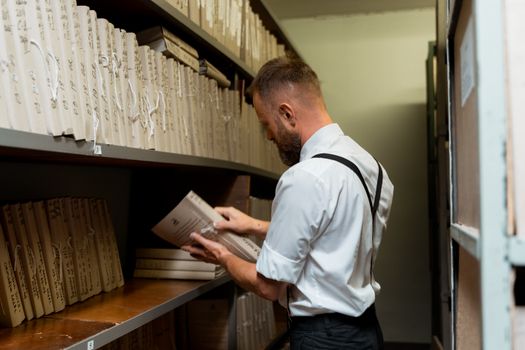
Historians study and write about the past, often looking at big events, countries, or how people lived long ago. Genealogists focus on families, but both love history.
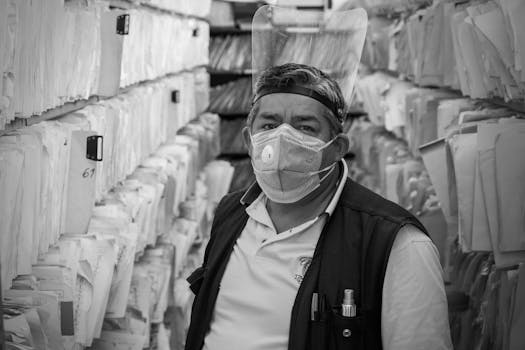
Archivists look after important old documents, photographs, and records in special buildings called archives. Genealogists often visit archivists to find the clues they need.

Librarians help people find books and information in libraries. Genealogists spend a lot of time in libraries looking at old books and newspapers to find family history clues.
Explore relevant apprenticeships that can help you kickstart your career in Genealogist. Apprenticeships offer hands-on experience and training while earning a wage.
Explore other careers or use our AI to discover personalised paths based on your interests.
Address
Developing Experts Limited
Exchange Street Buildings
35-37 Exchange Street
Norwich
NR2 1DP
UK
Phone
01603 273515
Email
[email protected]
Copyright 2026 Developing Experts, All rights reserved.

Unlock expert-designed lessons, resources, and assessments tailored for educators. No credit card required.
Claim Your Free Trial →We use cookies to enhance your browsing experience and analyze our traffic. Learn more.

