Creating Career Path...

Finding Further Careers...

Dog Groomer

View this career for different education levels:

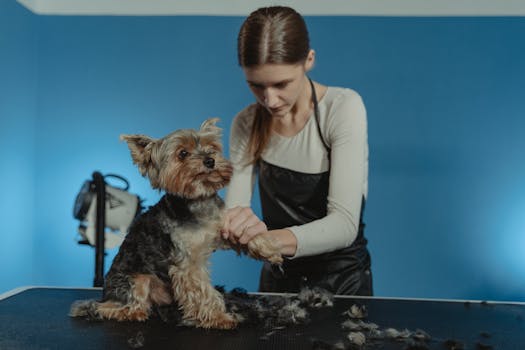
Being a Dog Groomer is a wonderful job for someone who loves dogs and enjoys being hands-on. Your main role is to make dogs look and feel their best by washing, brushing, trimming, and styling their fur. This isnt just about making them pretty; it is also important for their health. You might be checking for skin problems, matting in their fur that can be painful, or even overgrown nails that can make it hard for them to walk. You need to be patient, kind, and good at handling all sorts of dogs, from tiny Chihuahuas to big Newfoundland dogs, each with their own personality and needs. Sometimes, you might also clean their ears or brush their teeth. To become a Dog Groomer, you dont always need a university degree, but getting qualifications from places like City & Guilds or similar training centres is a great idea. These courses teach you different grooming styles, how to use tools safely, dog behaviour, and even first aid for animals. Many groomers start by helping out at a salon or doing an apprenticeship to learn the ropes from experienced professionals. It is a job that requires skill, a steady hand, and a genuine passion for making dogs happy and healthy.

Dog Groomer

Flag Media

Please select a reason for flagging this content.

📊 Statistics

Typical Salary Range

A Dog Groomer in the UK can expect to earn between 17,000 and 25,000 a year, especially once they have some experience. Newcomers might start a bit lower, and highly experienced groomers or those who run their own successful businesses can earn more.

Job Opportunities

There are over 8,000 businesses across the UK offering pet grooming services, which shows there are many opportunities. This number includes independent groomers, salons, and those working for larger pet store chains.

Growth in Pet Ownership

With around 13 million dogs in the UK, and many owners wanting their pets to look and feel great, the demand for good dog groomers is strong and continues to grow.

🚀 Careers in this path

Flag Media

Please select a reason for flagging this content.

Veterinary Assistant

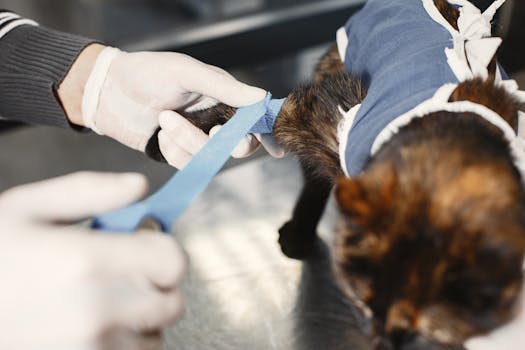
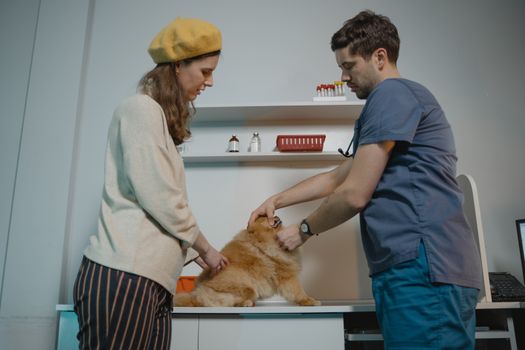
Help vets and nurses look after sick or injured animals at a surgery, including preparing things for operations and comforting pets. You'd learn a lot about animal health.

Flag Media

Please select a reason for flagging this content.

Animal Care Assistant

Work in places like animal shelters or rescue centres, looking after all sorts of animals. This involves feeding, cleaning, exercising them, and making sure they're happy.

Flag Media

Please select a reason for flagging this content.

Pet Shop Assistant

Work in a shop that sells pets and pet supplies. You'd help customers choose the right food and toys, and make sure the animals in the shop are well cared for.

Exploring Your Interest

Learn About Dogs

Start by learning as much as you can about different dog breeds, their coats, and how to interact with them safely and kindly.

You can read books, watch documentaries, or visit websites about dogs. Understanding dog behaviour, body language, and common health issues like fleas or skin problems is really important for a groomer. Knowing about different breeds will help you understand their specific grooming needs.

Volunteer or Shadow

Try to spend time with dogs, perhaps by volunteering at an animal shelter, or ask if you can 'shadow' a professional dog groomer.

Volunteering at a local animal rescue centre or pet shop is a fantastic way to get hands-on experience with animals. You'll learn about their routines, how to handle them, and the importance of their care. Asking a professional groomer if you can observe them for a day or even just for a few hours can give you a real insight into what the job is like.

Practice Basic Grooming

If you have a dog at home, practice simple things like brushing their fur, bathing them, and cleaning their ears (with adult supervision).

Using a soft brush, learn to brush your dog's coat gently. If your dog is comfortable, try bathing them with dog-specific shampoo and conditioner. Remember to always be gentle and make it a positive experience for the dog. Always have an adult help you, especially with tasks like ear cleaning or nail clipping, as these need to be done very carefully.

Building Skills and Knowledge

Take a Course or Apprenticeship

Once you're a bit older, you can enrol in a professional dog grooming course or look for an apprenticeship to learn all the specialist skills.

There are many accredited dog grooming courses in the UK that teach you everything from different clipping techniques to pet first aid. These courses often lead to recognised qualifications. An apprenticeship is another great option, where you learn on the job from experienced groomers while earning a wage. This gives you practical experience alongside theoretical knowledge.

Master Grooming Tools

Learn how to safely and effectively use all the different tools a groomer uses, like clippers, scissors, and various brushes.

Professional dog groomers use a wide range of specialised tools. You'll need to understand what each tool is for, how to use it correctly without harming the dog, and how to maintain them. This includes understanding blade sizes for clippers, different types of shears, and various brushes for different coat types. Safety is always the top priority when handling these tools around animals.

Understand Dog Health & Safety

Learn about common dog health issues, how to spot them, and how to keep dogs safe and calm during grooming.

A good groomer isn't just about making dogs look pretty; it's also about ensuring their well-being. You'll need to recognise signs of skin problems, ear infections, or other health concerns that might need a vet's attention. Learning pet first aid is also crucial. Equally important is developing techniques to keep dogs relaxed and comfortable throughout the grooming process, as some dogs can be anxious.

Becoming a Professional

Gain Work Experience

Work in a grooming salon, pet shop, or even for a mobile groomer to build up your practical experience and confidence.

After completing your training, getting a job as a junior groomer or an assistant is a fantastic next step. This allows you to put your learned skills into practice under the guidance of more experienced professionals. You'll work with a variety of dogs and learn to manage different temperaments and grooming challenges in a real-world setting.

Build Your Portfolio

Take photos of the dogs you've groomed to show off your skills and the beautiful transformations you've created.

A portfolio, whether digital or physical, is a collection of your best work. For a dog groomer, this means 'before and after' photos of the dogs you've groomed. This helps potential clients or employers see the quality of your work and your range of skills with different breeds and styles. You could also include testimonials from satisfied dog owners.

Consider Your Own Business

Once you have lots of experience, you might even decide to open your own grooming salon or offer mobile grooming services.

Many experienced dog groomers choose to become self-employed. This could mean setting up your own grooming salon, working from home, or offering a mobile service where you travel to clients' homes. Running your own business means you'd also need to learn about managing finances, marketing, and customer service, but it offers great flexibility and the chance to be your own boss!

🎯 View Apprenticeships

Explore relevant apprenticeships that can help you kickstart your career in Dog Groomer. Apprenticeships offer hands-on experience and training while earning a wage.

Career Progressions

This page showcases various career options and the pathways to reach them. Each career listed here shares transferable skills and knowledge, making it easier for individuals to transition between them.

Your current career is highlighted to help you see how it fits into the broader landscape of potential career choices. By clicking on any career, you can learn more about it, including the training and education required to pursue it.

Remember, progressing in your career often involves further learning and training. This page provides insights into future career options as well as those that can lead up to your current one.

These career progression decisions are informed by comparing the skills and knowledge needed for different occupations, along with data on how people move between them. Explore the possibilities and discover the exciting journey ahead in your career!

Sample Qualifications

The user's input career 'Dog Groomer' is an exact match for the official job title 'Dog groomer' provided in the list. Both refer to the same profession focused on bathing, styling, and caring for dogs' coats.

How to become

You can get into this job through:

  • a college course
  • an apprenticeship
  • working towards this role
  • specialist courses run by private training organisations

College

Colleges offer a wide range of dog grooming courses from introductory level to advanced.

Introductory courses cover basic coat care and grooming methods and are suitable for beginners. 

Higher level courses tend to be longer and teach more advanced subjects, for example:

  • canine behaviour
  • professional styling for different breeds
  • managing a grooming business

Entry requirements

Entry requirements for these courses vary.

More Information

Apprenticeship

You could apply to a dog grooming business for a place on an apprenticeship, like:

  • Dog Grooming Level 2 Intermediate Apprenticeship
  • Animal Care and Welfare Manager Level 3 Advanced Apprenticeship - if you plan to become a supervisor or manager in a business

Entry requirements

There are no set entry requirements but it may help you to get in if you have:

  • some GCSEs, usually including English and maths, or equivalent, for an intermediate apprenticeship
  • 5 GCSEs at grades 9 to 4 (A* to C), or equivalent, including English and maths, for an advanced apprenticeship

More Information

Work

You could start as an assistant in a kennels or grooming business and learn on the job from a qualified and experienced dog groomer.

Volunteering

You can get experience by doing voluntary work with dogs in kennels and rescue centres, which can help when applying for courses and jobs.

You can find opportunities with organisations like:

Other Routes

You could take private training courses to learn some of the skills and knowledge needed for this job. The Pet Industry Federation has accredited a number of organisations to deliver professional training.

Interested in More Career Paths?

Explore other careers or use our AI to discover personalised paths based on your interests.

Stay connected

Join our newsletter to stay up to date on features and releases

Address
Developing Experts Limited
Exchange Street Buildings
35-37 Exchange Street
Norwich
NR2 1DP
UK

Phone
01603 273515

Email
[email protected]

Copyright 2026 Developing Experts, All rights reserved.
