



Creating Career Path...

Finding Further Careers...

Art Teacher

View this career for different education levels:

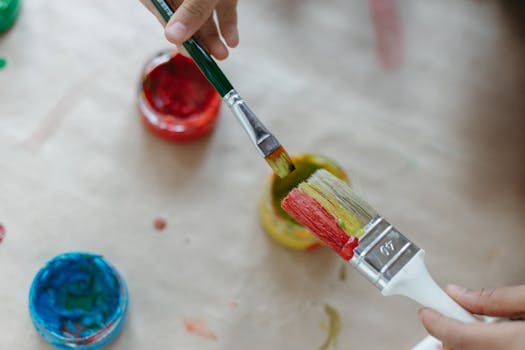
Being an Art Teacher is a super fun job where you get to help children and young people discover their artistic talents and express themselves through art. You might teach them how to draw, paint, sculpt with clay, or even make collages using different materials. You will plan exciting art projects, show them different art techniques, and help them to understand famous artworks from around the world. It is all about encouraging creativity and making art enjoyable for everyone. An Art Teacher works in schools, from primary schools where children are just starting to learn about colours and shapes, to secondary schools where students learn more advanced techniques and even prepare for exams. You would spend your days guiding students, giving them feedback on their work, and creating a colourful and inspiring classroom environment. It is a rewarding job because you get to see your students grow their skills and make amazing pieces of art!

Art Teacher

Flag Media

Please select a reason for flagging this content.

📊 Statistics

Average Starting Salary

An Art Teacher in the UK can expect to start with a salary around 28,000 to 34,000 pounds per year, depending on where they teach.

Experienced Teacher Salary

With more experience, an Art Teacher can earn between 38,000 and 45,000 pounds a year, and even more if they become a head of department.

Job Outlook

There are lots of art teaching jobs across the UK in primary schools, secondary schools, and colleges. Schools are always looking for creative people to inspire young artists.

🚀 Careers in this path

Flag Media

Please select a reason for flagging this content.

Primary School Art Club Leader

Imagine helping younger children draw, paint, and make cool crafts after school. You could show them how to mix colours and create their own masterpieces!

Flag Media

Please select a reason for flagging this content.

Children's Book Illustrator

This is where you draw all the amazing pictures inside books for children, just like the ones you love to read! You'd bring stories to life with your art.

Flag Media

Please select a reason for flagging this content.

Art Workshop Assistant

You could help out at fun art classes, maybe during the school holidays or at a local community centre. You'd help kids use different art materials and tidy up afterwards.

Being Creative at School

Enjoy Art Lessons

Pay close attention during your art classes at primary school and secondary school. Try out all the different art projects your teachers give you.

When you are at primary school, you will often have art lessons where you get to paint, draw, and make things. Try your best and have fun with these activities. As you get older and go to secondary school, you will have even more chances to learn about different artists and art styles, and use more advanced materials. The more you enjoy and learn now, the better!

Practice Art at Home

Draw, paint, or make things in your spare time. You can use crayons, pencils, paints, or even playdough to create your own art.

Art is a skill that gets better with practice, just like playing a sport or a musical instrument! Try drawing pictures of your family, pets, or favourite toys. You could even invent your own fantastical creatures or worlds. There are lots of free tutorials online and in books that can give you ideas and teach you new tricks for drawing or painting different things. The more you practice, the more confident you will become with your art.

Visit Art Galleries

Ask your grown-ups to take you to art galleries or museums. Look at all the different types of art people have made.

Visiting an art gallery is like going on an adventure for your eyes! You will see paintings, sculptures, and other amazing artworks by many different artists. Try to think about what the artist was trying to show or how they made their art. This helps you understand different art styles and can give you lots of new ideas for your own creations. Many galleries have special activities for children too!

Learning More About Art

Choose Art Subjects

When you are older and go to secondary school, choose art as one of your subjects for GCSEs and A-Levels.

At secondary school, you will get to choose specific subjects to study more deeply. If you want to be an Art Teacher, it is really important to choose Art and Design as one of your subjects for your GCSEs (General Certificate of Secondary Education). After that, you could continue to study Art at A-Level, which gives you an even deeper understanding and helps you build a strong portfolio of your artwork to show what you can do.

Go to Art College or University

After secondary school, you will need to go to an art college or university to get a special degree in art.

To become a professional artist or an Art Teacher, most people go to a university or an art college to study an art-related degree. This might be a Bachelor of Arts (BA) in Fine Art, Graphic Design, Illustration, or a similar creative subject. This will teach you advanced techniques, art history, and help you develop your own artistic style even further. It is also a great place to meet other artists and learn from expert teachers.

Get Teacher Training

After your art degree, you will need to do a special course to learn how to teach children.

Once you have your art degree, you will need to complete a teacher training qualification. In the UK, this is often called a PGCE (Postgraduate Certificate in Education) or a School Direct programme. This course teaches you all about how to plan lessons, manage a classroom, and help children of different ages learn effectively. You will also get to spend time in real schools, practicing your teaching skills with the help of experienced teachers.

Becoming an Art Teacher

Apply for Teaching Jobs

Once you have finished all your training, you can apply for jobs to become an Art Teacher at a school.

After completing your teacher training, you will be a qualified teacher! You can then start looking for Art Teacher vacancies in primary schools, secondary schools, or even colleges. You will need to write a good application and go for interviews, where you can show off your passion for art and your teaching skills. Many newly qualified teachers (NQTs) complete an 'induction year' where they get extra support as they start their career.

Keep Learning New Art

Even as a teacher, always keep practicing your own art and learning new techniques to share with your students.

The world of art is always changing, with new styles and techniques appearing all the time. Great Art Teachers continue to be artists themselves! Keep experimenting with different materials, visiting exhibitions, and taking workshops. This will not only keep your own art exciting but also give you fresh ideas and skills to bring into your classroom, inspiring your students even more.

Inspire Young Artists

Your most important job is to make art fun and help your students believe they can be amazing artists too!

As an Art Teacher, you have the wonderful opportunity to spark creativity in many young minds. Encourage your students to express themselves, to not be afraid to make mistakes (because that is how we learn!), and to find joy in creating. Help them discover their unique talents and show them how art can be a powerful way to communicate feelings and ideas. Your enthusiasm will be contagious!

🎬 Useful Videos

🎯 View Apprenticeships

Explore relevant apprenticeships that can help you kickstart your career in Art Teacher. Apprenticeships offer hands-on experience and training while earning a wage.

Career Progressions

This page showcases various career options and the pathways to reach them. Each career listed here shares transferable skills and knowledge, making it easier for individuals to transition between them.

Your current career is highlighted to help you see how it fits into the broader landscape of potential career choices. By clicking on any career, you can learn more about it, including the training and education required to pursue it.

Remember, progressing in your career often involves further learning and training. This page provides insights into future career options as well as those that can lead up to your current one.

These career progression decisions are informed by comparing the skills and knowledge needed for different occupations, along with data on how people move between them. Explore the possibilities and discover the exciting journey ahead in your career!

Sample Qualifications

An Art Teacher in the UK education system typically holds Qualified Teacher Status (QTS) and teaches art as a specialist subject to pupils aged 11-18, which falls under the remit of a Secondary school teacher.

How to become

You can get into this job through:

  • a university course
  • an apprenticeship
  • working towards this role

University

Undergraduate degree

You can do an undergraduate degree that leads to qualified teacher status (QTS), for example:

  • Bachelor of Education (BEd)
  • Bachelor of Arts (BA) with QTS
  • Bachelor of Science (BSc) with QTS

Postgraduate certificate

If you already have a bachelor's degree without qualified teacher status, you can complete a postgraduate qualification like a postgraduate certificate in education (PGCE) to get QTS. This can be done at university or through a training programme based in a school.

You need QTS to teach in most primary and secondary schools in England but you do not need a PGCE to teach.

Find out more about QTS from Get Into Teaching.

You do not always need to have a degree in the subject you'd like to teach. Your teacher training organisation will decide whether you have the required skills and knowledge to teach the subject.

If your training organisation thinks you need to improve your subject knowledge, they will ask you to do a subject knowledge enhancement course.

Change careers to teaching

Find out about the support available if you want to change to a career in teaching.

Entry requirements

You'll usually need:

  • 4 or 5 GCSEs at grades 9 to 4 (A* to C), or equivalent, including English and maths
  • 2 to 3 A levels, or equivalent, for a degree
  • a degree in any subject for a postgraduate course

More Information

Apprenticeship

You may be able to apply to do an Undergraduate or Postgraduate Teacher Level 6 Apprenticeship.

The undergraduate option takes up to 4 years to complete. The postgraduate route takes around 1 year, with both leading to qualified teacher status (QTS).

Entry requirements

You'll usually need:

  • GCSEs at grades 9 to 4 (A* to C) in English and maths
  • a degree for a postgraduate teaching apprenticeship

More Information

Work

You could start as a teaching assistant or learning mentor and do a part-time degree or an undergraduate teaching apprenticeship to gain qualified teacher status (QTS).

Volunteering

You might find it helpful to get some experience of working with young people.

You could volunteer at a school, do youth work or work on a holiday scheme.

More Information

Registration

Career tips

You can attend a Get Into Teaching event before you apply to get advice about teaching, funding and the different training routes available. You can attend events in person and online.

Further information

You can discover more about how to become a secondary school teacher from Get Into Teaching.

You can also search for jobs through the Teaching Vacancies service.

Interested in More Career Paths?

Explore other careers or use our AI to discover personalised paths based on your interests.

Stay connected

Join our newsletter to stay up to date on features and releases

Address
Developing Experts Limited
Exchange Street Buildings
35-37 Exchange Street
Norwich
NR2 1DP
UK

Phone
01603 273515

Email
[email protected]

Copyright 2026 Developing Experts, All rights reserved.
