




Creating Career Path...

Finding Further Careers...

Sports Scientist

View this career for different education levels:

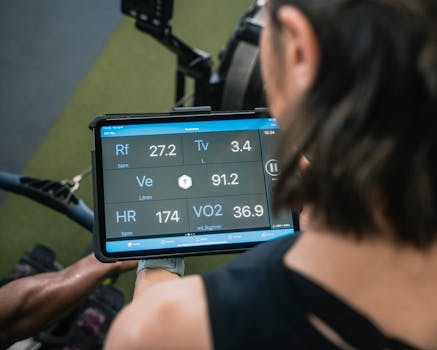
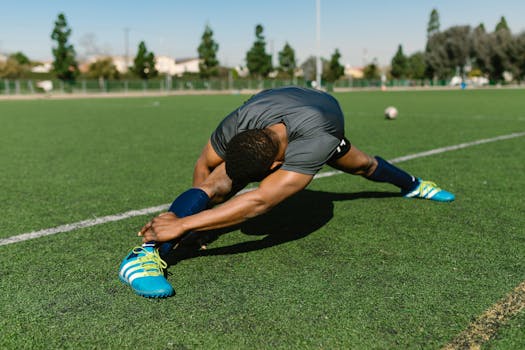
Imagine helping athletes become the best they can be by using science! That's what a Sports Scientist does. They use their knowledge of how the human body works during exercise to improve performance, prevent injuries, and help athletes recover faster. This could involve working with a football team to make sure players are eating the right things and training in the best way, or helping an individual runner improve their speed and endurance. They might also test athletes in a lab, measuring things like their fitness levels, muscle strength, and how efficiently their body uses oxygen. It's all about using scientific facts to give athletes an edge. Sports Scientists work in many different places. You could find them in professional sports clubs, at national sports organisations, in universities doing research, or even in health and fitness centres. Their day-to-day work could involve designing training programmes, analysing performance data, advising on nutrition, or using special equipment to monitor an athlete's body. They are like detectives for the body, always looking for ways to make it stronger, faster, and healthier, all to help athletes achieve their sporting dreams.

Sports Scientist

Flag Media

Please select a reason for flagging this content.

📊 Statistics

Typical Salary Range

Starting salaries for a Sports Scientist in the UK can be around 20,000 to 25,000 pounds per year. With more experience, this can rise to 35,000 to 50,000 pounds, and highly experienced or lead scientists in top-tier sports might earn over 60,000 pounds annually.

Number of Job Postings

While specific numbers for Sports Scientists alone are hard to pinpoint, job sites in the UK often show hundreds of related roles, like 'Sports Coach', 'Fitness Instructor', and 'Performance Analyst', with a steady demand for qualified professionals in the broader sports and fitness industry.

Education Requirement

Most Sports Scientist roles in the UK require a university degree in Sports Science or a related subject. Many also pursue a Masters degree to specialise further and improve their job prospects.

🚀 Careers in this path

Flag Media

Please select a reason for flagging this content.

Football Analyst

If you love sports science and football, you could help a football team by looking at how players run, pass, and shoot. You'd use special videos and computer programs to find ways for the team to play better and win more matches.

Flag Media

Please select a reason for flagging this content.

Athletic Trainer Assistant

This is a great way to help athletes stay fit and recover from injuries. You would work with a head trainer, learning how to put bandages on, do stretches, and help plan exercises to make sure athletes are strong and healthy for their sport.

Flag Media

Please select a reason for flagging this content.

Exercise Class Leader for Young People

You could design and lead fun exercise sessions, like circuit training or fitness games, specifically for other young people. You'd teach them how to do exercises properly and motivate them to keep active and healthy.

Build a Strong Foundation at School

Focus on Science and Maths

Pay extra attention in your science subjects like Biology, Chemistry, and Physics, and also in Maths. These subjects are really important for understanding how the body works and for analysing data in sports science.

Understanding biology will help you learn about muscles, bones, and how the body uses energy. Chemistry can explain how nutrition impacts performance, and physics is key for biomechanics – studying movement. Maths is essential for data analysis, like tracking an athlete's progress or understanding statistics from a game. Aim for good grades in these subjects as they will be required for college or university courses later on.

Get Involved in Sports

Join school sports teams, clubs, or try out different physical activities. This helps you understand sports from a participant's perspective and shows your passion for the field.

Being involved in sports doesn't just mean playing football or netball; it could be athletics, swimming, cycling, or even dance. Experiencing different sports will give you a better insight into the demands on athletes and the types of injuries they might face. This practical experience can be really valuable when you're helping others improve their performance or recover from injury.

Explore Physical Education (PE)

Take PE seriously and consider choosing it as a GCSE or A-Level subject if your school offers it. It's a great way to learn about the science behind sport and exercise.

GCSE PE and A-Level PE courses cover topics like anatomy and physiology, sports psychology, and the socio-cultural aspects of sport. These provide a fantastic introduction to many of the concepts you would study in a Sports Science degree. It will also give you a head start on understanding the terminology and theories used in the field.

Higher Education and Specialisation

Choose a Relevant University Degree

Look for university courses like 'BSc Sports Science', 'BSc Sport and Exercise Science', or 'BSc Strength and Conditioning'. These degrees will teach you all the in-depth science you need.

Many universities in the UK offer excellent Sports Science degrees. When choosing, look at the modules offered – do they cover areas you find interesting, such as biomechanics, physiology, nutrition, or psychology? Also, consider if the course has good links with sports clubs or research facilities, as this can provide valuable experience and networking opportunities during your studies. Check entry requirements carefully, as good grades in science subjects and maths are usually essential.

Gain Practical Experience

While studying, try to get hands-on experience through internships, volunteering, or work placements with sports teams, gyms, or research projects.

Practical experience is incredibly important for a Sports Scientist. This could involve shadowing a sports therapist, helping out at a university sports lab, or volunteering with a local amateur sports team. Many university courses offer placement years or shorter placements built into the degree. This experience not only looks great on your CV but also helps you apply what you learn in lectures to real-world situations, building confidence and skills.

Networking and Professional Development

Connect with people already working in sports science, attend workshops, and consider joining professional bodies to keep learning and meet new people.

Networking can open doors to job opportunities and mentorship. Attend university career fairs, industry conferences, or online webinars related to sports science. Joining professional organisations like the British Association of Sport and Exercise Sciences (BASES) can provide access to resources, events, and job boards. These bodies also offer accreditation schemes, which can be a valuable badge of quality for your skills and knowledge as you progress in your career.

Launch Your Career

Apply for Entry-Level Roles

Look for jobs such as 'Junior Sports Scientist', 'Academy Sports Scientist', 'Strength and Conditioning Coach', or 'Performance Analyst' with sports clubs, universities, or private companies.

Entry-level roles are where you'll gain crucial experience and apply your academic knowledge. Don't be afraid to start in positions that might not be exactly what you envision long-term, as they are stepping stones. Many professional sports clubs have academy roles for young athletes, which can be a great place to start. Universities also employ sports scientists to support their sports teams or in research roles. Be prepared to highlight your practical experience and any specialisations you developed during your degree.

Continue Learning and Specialising

The world of sports science is always changing, so keep learning through courses, master's degrees, or by focusing on a specific area like nutrition, injury rehab, or data analysis.

After your undergraduate degree, you might find a particular area of sports science that you are passionate about, such as sports psychology, clinical exercise physiology, or biomechanics. A Master's degree (MSc) can help you specialise and deepen your expertise, often leading to more advanced roles. Staying up-to-date with the latest research and technologies is vital, so attend workshops, read scientific journals, and always look for opportunities to enhance your skills and knowledge.

Build Your Professional Reputation

Deliver excellent work, be reliable, and continuously seek feedback to grow. Your reputation will help you advance and gain more opportunities in the field.

As you gain experience, building a strong professional reputation is key. This involves consistently performing well, being a good team player, and showing initiative. Networking continues to be important – the sports world can be quite small, and positive recommendations go a long way. Consider creating a professional portfolio showcasing your experience and achievements. Over time, you could aim for roles with elite athletes, national teams, or even contribute to research and development in sports technology.

🎬 Useful Videos

🎯 View Apprenticeships

Explore relevant apprenticeships that can help you kickstart your career in Sports Scientist. Apprenticeships offer hands-on experience and training while earning a wage.

Career Progressions

This page showcases various career options and the pathways to reach them. Each career listed here shares transferable skills and knowledge, making it easier for individuals to transition between them.

Your current career is highlighted to help you see how it fits into the broader landscape of potential career choices. By clicking on any career, you can learn more about it, including the training and education required to pursue it.

Remember, progressing in your career often involves further learning and training. This page provides insights into future career options as well as those that can lead up to your current one.

These career progression decisions are informed by comparing the skills and knowledge needed for different occupations, along with data on how people move between them. Explore the possibilities and discover the exciting journey ahead in your career!

Sample Qualifications

A Sports Scientist primarily focuses on applying scientific principles to improve athletic performance, injury prevention, and recovery, which directly aligns with the role of a Performance Sports Scientist.

How to become

You can get into this job through a university course.

University

You could take a degree course in sport and exercise science. Courses that include the 3 main subjects of biomechanics, physiology and psychology, will help to keep your job and study options open later on.

Alternatively, you could study for a degree in a science related subject followed by a postgraduate qualification in sports science.

Related subjects include:

  • physical education
  • natural sciences
  • physiology
  • psychology

It's quite common for sports scientists to have or be working towards a postgraduate qualification.

Courses that include work placements or internship opportunities could give you an advantage when job hunting after completing your studies. This is something to ask universities about when you're looking at their courses.

Entry requirements

You'll usually need:

  • 2 to 3 A levels, or equivalent, for a degree
  • a degree in a relevant subject for postgraduate study

More Information

More Information

Career tips

Experience as fitness instructor, lifeguard, coach or volunteering, for example with a sports club, may improve your career prospects.

It will help you stand out in a competitive jobs market if you have extra qualifications like:

  • first aid
  • gym instructing
  • safeguarding

Professional and industry bodies

You could join The British Association of Sport and Exercise Sciences (BASES) for professional development opportunities.

Further information

You'll find more advice on careers in sports science from The British Association of Sport and Exercise Sciences and Careers in Sport.

Interested in More Career Paths?

Explore other careers or use our AI to discover personalised paths based on your interests.

Stay connected

Join our newsletter to stay up to date on features and releases

Address
Developing Experts Limited
Exchange Street Buildings
35-37 Exchange Street
Norwich
NR2 1DP
UK

Phone
01603 273515

Email
[email protected]

Copyright 2026 Developing Experts, All rights reserved.
