
Creating Career Path...

Finding Further Careers...

Diver

View this career for different education levels:

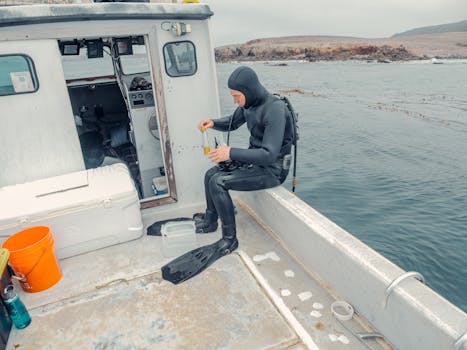
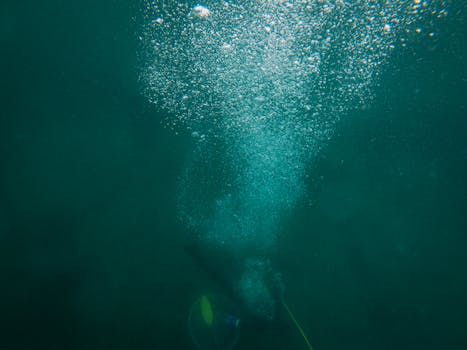
Imagine a job where your office is the bottom of the sea! A diver is someone who goes underwater for work. This isn't just for fun swimming though; professional divers use special equipment to breathe and see underwater so they can do important jobs. They might inspect bridges that go over water, fix things on big ships, or even help scientists study amazing sea creatures. It's a job that needs you to be very brave, good at problem-solving, and really enjoy being in the water.

Diver

Flag Media

Please select a reason for flagging this content.

📊 Statistics

Average Salary

Divers in the UK can earn between 25,000 and 60,000 pounds a year, depending on their experience and type of diving. Some very specialist divers can earn more.

Number of Jobs

There are hundreds of professional divers working across the UK, in different industries like construction, science, and media.

Training Time

To become a professional diver, you usually need to do special training courses that can take from a few weeks to several months to complete.

🚀 Careers in this path

Flag Media

Please select a reason for flagging this content.

Marine Biologist

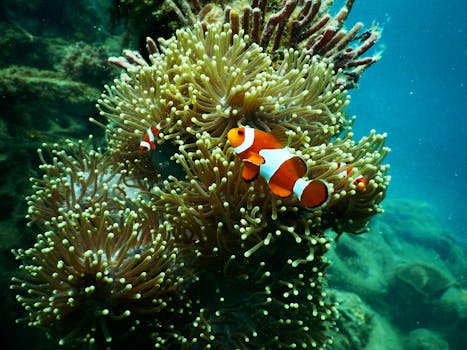
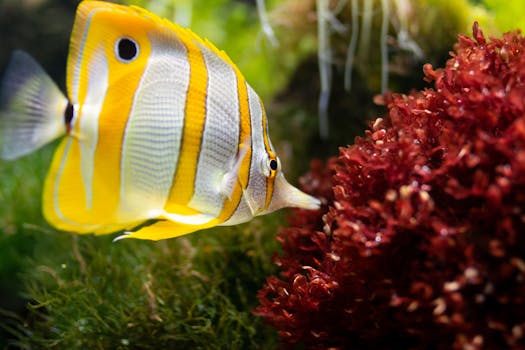
Imagine being a detective for the sea! A Marine Biologist explores the ocean to learn all about the amazing creatures and plants that live there, like colourful fish, playful dolphins, and giant whales. They might even dive down to see them up close and help protect their homes.

Flag Media

Please select a reason for flagging this content.

Underwater Photographer

Do you love taking pictures? An Underwater Photographer uses special cameras to take incredible photos of fish, coral reefs, and other cool things under the water. They share these pictures with the world so everyone can see how beautiful the ocean is, just like taking photos of your toys but underwater!

Flag Media

Please select a reason for flagging this content.

Scuba Diving Instructor

If you love diving and helping others, a Scuba Diving Instructor teaches people how to dive safely and explore underwater. They show them how to use all the equipment and what to look out for, like being a swimming teacher but for going deep down in the sea!

Learning to Love the Water

Swimming Lessons

Start by becoming a really good swimmer. The better you swim, the safer and more comfortable you'll be in the water.

Join swimming classes at your local leisure centre or pool. Learn different strokes like front crawl, backstroke, and breaststroke. It's important to feel confident and strong in the water, even in the deep end. You could also try swimming in the sea with an adult when it's safe to do so.

Snorkelling Adventures

Try snorkelling to get used to breathing with your face in the water and seeing what's beneath the surface.

Snorkelling involves wearing a mask to see clearly, a snorkel to breathe air while your face is in the water, and fins to help you swim easily. You can try this in a swimming pool first to get used to it, then maybe in calm, shallow waters at the beach, always with an adult watching you.

Water Safety Rules

Learn important rules about staying safe around water, like always swimming with a grown-up and knowing what to do if you need help.

It's super important to know how to be safe near water. Always listen to lifeguards, never run around the pool, and always swim with an adult. Learning to float and knowing how to call for help are also really useful skills that will keep you safe and confident.

Becoming a Junior Explorer

Learn About Sea Life

Discover all the amazing creatures that live in the ocean and learn about their homes.

Read books about fish, crabs, dolphins, and whales. Watch nature programmes about the ocean and visit aquariums. The more you know about what lives underwater, the more exciting your dives will be and the better you'll understand the underwater world.

Understand the Ocean

Learn about how the ocean works, like tides, currents, and why it's important to keep it clean.

The ocean is a big place with lots of amazing things happening! Learn about how waves are made, what the tide does, and how to protect the ocean from rubbish. Knowing these things helps divers stay safe and protect the marine environment they explore.

Try PADI Seal Team

This is a special club where kids can learn basic scuba diving skills in a swimming pool, just like real divers!

The PADI Seal Team programme is for kids who want to try scuba diving in a fun and safe way. You get to wear proper mini diving gear and learn cool skills like breathing underwater and clearing your mask. It's a great way to see if you love diving before you get older and can dive in the sea.

Future Diver Training

Junior Diver Courses

When you're a bit older, you can take special courses to learn how to dive in the sea with an instructor.

Organisations like PADI offer 'Junior Open Water Diver' courses for kids aged 10 and up. These courses teach you how to use diving equipment safely, plan dives, and explore underwater environments. You'll go on real dives in the sea, always with a grown-up instructor.

Learn First Aid

Know how to help someone if they get hurt, which is really important for any adventurer, especially divers.

Taking a first aid course teaches you how to deal with small injuries and what to do in an emergency. Divers often work in teams, and knowing first aid means you can help yourself or your diving buddy if something unexpected happens. It makes you a more responsible and capable diver.

Stay Healthy and Fit

Being a diver means being strong and healthy, so keep active and eat good food!

Diving can be quite active, so it's good to keep your body fit and strong. Playing sports, running around, and eating healthy foods will help you have lots of energy. This will make it easier to swim, carry your gear, and enjoy your underwater adventures to the fullest.

🎬 Useful Videos

🎯 View Apprenticeships

Explore relevant apprenticeships that can help you kickstart your career in Diver. Apprenticeships offer hands-on experience and training while earning a wage.

Career Progressions

No career progressions found for Diver

Sample Qualifications

How to become

You can get into this job through:

  • working towards this role
  • applying directly
  • training with a professional body

Work

You may be able to apply for diver training through your employer. For example, if you're in the police, armed forces or work for a marine engineering company. Once qualified, you could work with an underwater unit.

Similarly, if you work in scientific research, like oceanography or archaeology, your employer may put you through specialist diver training, so that you can carry out tasks underwater.


Direct Application

You could apply directly for jobs if you've got the right diving and safety qualifications.

You'll also need experience relevant to the industry you're working in. For example, you'll need a background in welding to work as an offshore underwater engineer, repairing pipelines or cables.

Other Routes

You can do a course with a commercial training organisation or professional body to get your diving qualifications.

Training must be approved by the Health and Safety Executive. Examples include courses offered by the:

More Information

Career tips

You might find it helpful to have experience of recreational scuba diving before training as a commercial diver.

Many diving schools offer assessments to help you decide whether you'll be suited to working underwater.

Further information

You can find out more about commercial and leisure diving careers through the:

Interested in More Career Paths?

Explore other careers or use our AI to discover personalised paths based on your interests.

Stay connected

Join our newsletter to stay up to date on features and releases

Address
Developing Experts Limited
Exchange Street Buildings
35-37 Exchange Street
Norwich
NR2 1DP
UK

Phone
01603 273515

Email
[email protected]

Copyright 2025 Developing Experts, All rights reserved.