


Creating Career Path...

Finding Further Careers...

Paratrooper

View this career for different education levels:

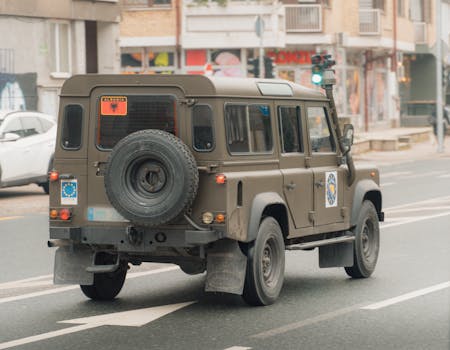
Becoming a Paratrooper in the UK means joining the prestigious Parachute Regiment, an elite airborne infantry unit of the British Army. This role is highly demanding, requiring exceptional physical fitness, mental toughness, and a strong commitment to teamwork. Paratroopers are trained to deploy by parachute or helicopter, often behind enemy lines, to conduct a wide range of operations including reconnaissance, direct action, and rapid intervention. Your daily life would involve rigorous physical training, weapons proficiency, tactical drills, and parachute jumps, preparing you for high-stress combat situations. It's a career focused on discipline, resilience, and operational effectiveness in challenging environments, with opportunities for global deployment and advanced specialised training. The role is not just about physical prowess; it also develops leadership skills, problem-solving abilities, and an unwavering sense of duty.

Paratrooper

Flag Media

Please select a reason for flagging this content.

📊 Statistics

Starting Salary (Pte)

Upon completion of training, a Private (Pte) in the British Army, including those in the Parachute Regiment, can expect a starting salary of around 23,496 pounds per annum. This increases with rank and experience.

Number of Positions

The Parachute Regiment typically comprises around 2,000 to 2,500 personnel across its regular battalions, forming a key part of the British Army's airborne infantry. Recruitment is continuous, but competition is high due to its elite nature.

Age Requirement

To join the British Army as a soldier, you must be between 16 and 35 years and 11 months old. Parental consent is required for those under 18. There are no specific higher education requirements, but a good level of physical fitness and mental resilience is essential.

🚀 Careers in this path

Flag Media

Please select a reason for flagging this content.

Infantry Soldier

While not airborne, an Infantry Soldier in the British Army shares the core values of physical fitness, teamwork, and combat skills with a Paratrooper. They are involved in a wide range of operational roles, often on the front line, and train extensively in weaponry, tactics, and survival. It offers a clear path for someone drawn to the military and physically demanding roles, without the specific airborne specialisation.

Flag Media

Please select a reason for flagging this content.

Royal Marine Commando

The Royal Marines are an elite amphibious light infantry force within the Royal Navy. Becoming a Commando involves incredibly rigorous training and offers a challenging career with a focus on amphibious warfare, mountain and arctic operations, and jungle combat. It appeals to individuals seeking an intense military career requiring exceptional physical and mental resilience, similar to a Paratrooper but with a distinct specialism.

Flag Media

Please select a reason for flagging this content.

Firefighter

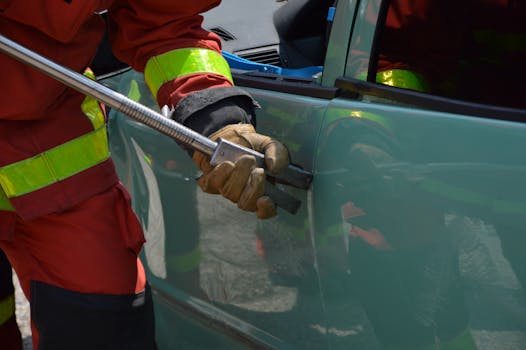
A Firefighter in the UK requires immense physical fitness, courage, and the ability to work under extreme pressure in life-threatening situations. While a civilian role, it shares the camaraderie, structured training, and critical incident response aspects found in military careers. It's a demanding public service role focused on saving lives and property, appealing to someone who wants to serve their community in a physically challenging and high-stakes environment.

Initial Research and Preparation

Understand the Role

Research extensively what a Paratrooper's life entails, including training, daily duties, and deployments. This initial step is crucial for an informed decision.

Start by visiting the official British Army website and the Parachute Regiment's dedicated pages. Look for documentaries, testimonials, and articles from current or former Paratroopers. Understand the demands of the role beyond just parachute jumps; it's primarily an infantry role requiring a high level of combat readiness, teamwork, and mental fortitude. Pay close attention to the physical and mental resilience required, as well as the unique culture and ethos of the Parachute Regiment.

Meet Eligibility Criteria

Ensure you meet the basic age, nationality, and medical requirements for joining the British Army and applying to the Parachute Regiment.

To join the British Army, you typically need to be between 16 and 35 years old (parental consent needed if under 18), a British, Irish, or Commonwealth citizen (with residency criteria), and pass a medical examination. For the Parachute Regiment, there are often additional physical and psychological standards. Check the latest requirements on the official Army recruitment website, as these can be updated. Ensure you declare any pre-existing medical conditions truthfully during the application process.

Begin Physical Training

Start an intensive physical training programme focusing on endurance, strength, and stamina, specifically tailored to Army fitness standards and the Parachute Regiment's demands.

The Parachute Regiment is renowned for its high physical standards. Your training should include long-distance running (aim for 2-mile runs in under 12 minutes, but strive for faster), weighted carries (yomps), bodyweight exercises (push-ups, sit-ups, pull-ups), and circuit training. Consider incorporating hill sprints and interval training to build explosive power and stamina. It's highly recommended to use the official Army fitness guides and potentially seek advice from an experienced fitness professional or current/former service personnel to ensure your training is effective and safe, preventing injuries.

Application and Selection Process

Submit Your Application

Formally apply to join the British Army, indicating your interest in the Parachute Regiment during the application process.

The application process starts online via the British Army's official recruitment portal. Be thorough and honest in your application. You'll be asked about your personal details, education, work history, and any medical conditions. Clearly state your preference for the Parachute Regiment early on, as this will influence subsequent stages of your assessment. After submitting, you'll typically be contacted by a recruiter to discuss the next steps.

Pass the Army Assessment Centre (AAC)

Attend and successfully complete the multi-day assessment at an Army Assessment Centre, which includes cognitive tests, physical assessments, and interviews.

The AAC is a crucial stage. It involves a range of tests including literacy and numeracy assessments, a medical examination, an interview with an Army recruiter, and a series of physical fitness tests (PFTs) such as the multi-stage fitness test (bleep test), press-ups, and sit-ups. Your performance here will determine if you are suitable for Army service and if you meet the initial standards for physically demanding roles like a Paratrooper. Be prepared to demonstrate teamwork and leadership potential during various observed tasks.

Complete PARA P Company

Undertake and successfully pass the gruelling 'P Company' selection course, which is specific to the Parachute Regiment and extremely physically and mentally demanding.

P Company (Pre-Parachute Selection) is one of the toughest selection courses in the world, designed to test your physical and mental robustness to the absolute limit. It involves a series of progressively harder physical tests, including the 'Steeplejack' (assault course), 'Log Race', 'Trainasium' (high ropes confidence course), '20 Mile Tab' (a weighted march), and the 'Fan Dance' (a gruelling mountain march). Failing any major test usually results in being 'back squadded' or removed from the course. Success here demonstrates you have the raw materials to become a Paratrooper.

Training and Specialisation

Basic Combat Training (Phase 1)

Complete the initial 14-week Basic Combat Training at an Army Training Centre, learning fundamental soldiering skills.

This is where you'll learn the core skills of a soldier, regardless of your chosen specialisation. Training includes weapon handling, marksmanship, fieldcraft, navigation, first aid, drill, and military ethos. You'll develop discipline, teamwork, and resilience in a structured military environment. This phase is about transforming civilians into soldiers and providing a foundation for all subsequent training. For those destined for the Parachute Regiment, this training will be particularly rigorous.

Advanced Infantry Training (Phase 2)

Undertake specialist infantry training within the Parachute Regiment, focusing on advanced combat tactics, techniques, and procedures.

Following Phase 1, you'll move on to more advanced training specific to the Parachute Regiment. This will delve deeper into infantry tactics, urban operations, close quarters battle, and working as part of a highly effective fighting unit. You'll refine your weapon skills, learn advanced communication techniques, and practice operating in various combat scenarios. This phase solidifies your role as a professional infantry soldier within the Regiment.

Parachute Training Course (PTC)

Complete the highly specialised three-and-a-half-week Parachute Training Course at RAF Brize Norton, earning your parachute wings.

This is the final hurdle to becoming a qualified Paratrooper. The PTC teaches you everything about static line parachuting, from packing your parachute to exiting an aircraft, landing safely, and conducting follow-on actions. It involves extensive ground training, simulator drills, and culminates in a minimum of eight jumps from an aircraft, including at least one at night. Successfully completing this course and earning your 'wings' means you are officially a qualified Paratrooper.

Career Progression and Deployment

Join Your Regiment and Deploy

Join your assigned battalion within the Parachute Regiment and begin operational duties, including training exercises and potential deployments worldwide.

Upon completion of all training, you will be assigned to a battalion within the Parachute Regiment. You'll integrate into your unit, continue advanced training, participate in large-scale exercises both in the UK and internationally, and be ready for deployment to various operational theatres as required by the British Army. This is where you apply all your training in real-world scenarios, working alongside your comrades.

Specialisation and Development

Pursue further specialist courses within the Army, such as sniper, medic, signals, or reconnaissance training, to enhance your skills and career prospects.

The Parachute Regiment offers numerous opportunities for specialisation. Depending on your aptitudes and the needs of the unit, you could train as a sniper, a combat medic, a communications specialist, a reconnaissance operative, or a heavy weapons expert. These specialisations not only make you a more versatile soldier but also open doors for future career progression within the Regiment and the wider Army, and can provide valuable transferable skills for civilian life.

Promotional Opportunities

Work towards promotion through the ranks, taking on greater responsibility and leadership roles within your unit.

As you gain experience and demonstrate leadership qualities, you can progress through the non-commissioned officer (NCO) ranks, from Lance Corporal to Sergeant and beyond. This involves undertaking specific leadership and command courses. Opportunities also exist to apply for officer training, potentially leading to a commission and commanding your own troops. Progression is based on performance, merit, and the successful completion of relevant courses.

🎬 Useful Videos

🎯 View Apprenticeships

Explore relevant apprenticeships that can help you kickstart your career in Paratrooper. Apprenticeships offer hands-on experience and training while earning a wage.

Career Progressions

This page showcases various career options and the pathways to reach them. Each career listed here shares transferable skills and knowledge, making it easier for individuals to transition between them.

Your current career is highlighted to help you see how it fits into the broader landscape of potential career choices. By clicking on any career, you can learn more about it, including the training and education required to pursue it.

Remember, progressing in your career often involves further learning and training. This page provides insights into future career options as well as those that can lead up to your current one.

These career progression decisions are informed by comparing the skills and knowledge needed for different occupations, along with data on how people move between them. Explore the possibilities and discover the exciting journey ahead in your career!

Sample Qualifications

A Paratrooper is a specialised role within the armed forces, specifically a soldier trained to deploy by parachute. Therefore, 'Soldier' is the most accurate overarching job title from the provided list that encompasses this role.

How to become

You can get into this job through:

  • an apprenticeship
  • applying directly

Apprenticeship

You can apply to join the army through an HM Forces Serviceperson Level 2 Intermediate Apprenticeship.

You apply directly to the army to find the best apprenticeship route for you. This will depend on your qualifications and which service role you're interested in, for example, engineering, health or logistics.

Entry requirements

  • entry requirements vary

More Information

Volunteering

You can join the Army Reserve to get experience of what life is like in the regular army. You'll also learn new skills at the same time.

You'll need to:

  • be aged between 18 and 43
  • commit to at least 27 days a year, though this can fall to 19, if you apply for a specialist unit
  • attend a 2-week training camp each year

If you're between 12 and 18 years old, you can join the Army Cadet Force.

Direct Application

You can apply directly to join the army. You do not need any specific qualifications unless you're applying for a technical role like engineering or communications.

You'll also need to be:

  • aged between 16 and 36
  • physically fit

If your application is accepted, you'll be invited to talk to someone at your local army careers centre about the opportunities available to you. You'll then attend a 2-day assessment, which includes medical and fitness tests.

Further information

You'll find more information about becoming a soldier from Army Careers.

Interested in More Career Paths?

Explore other careers or use our AI to discover personalised paths based on your interests.

Stay connected

Join our newsletter to stay up to date on features and releases

Address
Developing Experts Limited
Exchange Street Buildings
35-37 Exchange Street
Norwich
NR2 1DP
UK

Phone
01603 273515

Email
[email protected]

Copyright 2025 Developing Experts, All rights reserved.
