



Creating Career Path...

Finding Further Careers...

Magnetics Engineer

View this career for different education levels:

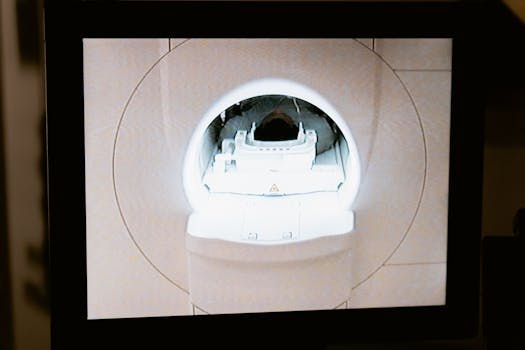
A Magnetics Engineer in the UK is a specialist who designs, develops, and analyses systems and components that utilise magnetic fields. This could involve anything from designing efficient electric motors and generators for renewable energy systems or electric vehicles, to developing advanced magnetic resonance imaging (MRI) scanners for healthcare, or even creating magnetic storage solutions for data. Their work often involves applying principles of electromagnetism, materials science, and circuit theory to practical engineering challenges. They might work on optimising magnetic materials, developing new magnetic sensors, or ensuring the electromagnetic compatibility of electronic devices. The role often combines theoretical knowledge with practical application, involving simulation software, laboratory testing, and collaboration with other engineering disciplines. Key responsibilities typically include conceptualising magnetic systems, performing detailed electromagnetic simulations to predict performance, selecting appropriate magnetic materials, prototyping and testing designs, and troubleshooting magnetic components in existing systems. They are crucial in industries where precision control of magnetic fields is vital, contributing to innovation in areas such as high-speed rail, particle accelerators, and advanced manufacturing. Given the increasing drive towards electrification and renewable energy, the expertise of a Magnetics Engineer is becoming ever more critical in the UK's technological landscape.

Magnetics Engineer

Flag Media

Please select a reason for flagging this content.

📊 Statistics

Average Salary Range

For an experienced Magnetics Engineer in the UK, salaries can range from 35,000 to 65,000 annually. Entry-level positions might start from 25,000 to 30,000, while highly specialised roles or senior positions can exceed 70,000, particularly in research and development or highly niche industries.

Job Market Demand

While not as high volume as some broader engineering disciplines, the demand for Magnetics Engineers in the UK is consistent and often specialised. Industries like aerospace, automotive (especially electric vehicles), medical devices, renewable energy, and scientific research facilities frequently seek these experts. There's a particular need for those with expertise in permanent magnets, electromagnetism, and magnetic materials.

Typical Education Level

Most Magnetics Engineers in the UK hold at least a Bachelors degree in Electrical Engineering, Physics, Materials Science, or a related discipline. A Masters or PhD is often preferred, and sometimes essential, for research and development roles, particularly within academic institutions or advanced technology companies.

🚀 Careers in this path

Flag Media

Please select a reason for flagging this content.

MRI Physicist

Focuses on the physics principles and engineering of Magnetic Resonance Imaging (MRI) systems, often working in healthcare or research to develop new imaging techniques, ensure system performance, and improve diagnostic capabilities. This role blends advanced physics with practical applications in medical technology.

Flag Media

Please select a reason for flagging this content.

Electromagnetic Compatibility EMC Engineer

Specialises in ensuring electronic devices and systems function correctly without interfering with other equipment and are immune to external electromagnetic interference. This involves designing, testing, and troubleshooting products to meet stringent regulatory standards, crucial for consumer electronics, automotive, and aerospace industries.

Flag Media

Please select a reason for flagging this content.

Electric Machine Designer

Designs and optimises electric motors, generators, and transformers for various applications, from electric vehicles and renewable energy systems to industrial machinery. This role involves using magnetics principles, simulation software, and material science to create efficient, powerful, and reliable electrical machines.

Build Your Foundational Knowledge

Obtain a Relevant Undergraduate Degree

The first critical step is to secure a strong academic foundation in a related engineering discipline.

A Bachelor's degree in Electrical Engineering, Materials Science and Engineering, Physics, or Mechanical Engineering with a strong focus on electromagnetism and materials science is essential. Look for programmes that offer modules in electromagnetism, solid-state physics, materials characterisation, and electronic devices. Gaining strong mathematical and analytical skills will be invaluable for tackling complex magnetic problems.

Engage in Practical Projects and Internships

Gain hands-on experience by participating in university projects, research, or industry internships.

Seek out opportunities to work on projects involving magnetic components, sensors, motors, or power electronics. This could involve university lab work, research assistant roles, or summer internships with companies that develop magnetic technologies. Practical experience is highly valued by employers as it demonstrates your ability to apply theoretical knowledge to real-world challenges. Document your contributions and learnings clearly.

Develop Key Technical Skills

Focus on acquiring proficiency in relevant software and laboratory techniques.

Become skilled in using simulation software like COMSOL Multiphysics, ANSYS Maxwell, or similar tools for electromagnetic field analysis and design. Familiarity with CAD software (e.g., SolidWorks) is also beneficial. In the lab, gain experience with magnetic characterisation techniques (e.g., VSM, BH loop tracers) and general electronics test equipment (oscilloscopes, multimeters). Strong programming skills (e.g., Python, MATLAB) for data analysis and automation are also a significant advantage.

Specialise and Advance Your Expertise

Consider Postgraduate Education

Further specialise your knowledge and improve your career prospects with a Masters or PhD.

A Master's degree (MSc) in Electrical Engineering, Materials Science, or a specific field like Magnetic Materials or Power Electronics can open doors to more advanced roles and research opportunities. A PhD is often required for pure research and development positions, especially in academic or high-tech R&D settings, allowing you to delve deep into specific magnetic phenomena or applications. Research into specific university programmes and faculty research interests.

Network Within the Industry

Connect with professionals and participate in industry events to expand your network.

Attend conferences, workshops, and trade shows related to magnetics, power electronics, and materials science. Join professional organisations like the Institution of Engineering and Technology (IET) or the Institute of Physics (IOP). Networking can lead to job opportunities, mentorship, and insights into industry trends. LinkedIn is also a powerful tool for connecting with professionals and following companies in the field.

Stay Updated with Emerging Technologies

The field of magnetics is constantly evolving, so continuous learning is crucial.

Regularly read scientific journals, industry publications, and technical blogs to keep abreast of the latest advancements in magnetic materials (e.g., rare-earth magnets, soft magnetic composites), magnetic sensing, spintronics, and novel applications. Consider online courses or professional development workshops to learn new skills or deepen your understanding of specific areas like finite element analysis for magnetics, magnetic field safety, or permanent magnet motor design.

Launch Your Career as a Magnetics Engineer

Target Relevant Employers

Identify and apply to companies that require magnetics engineering expertise.

Look for roles at companies involved in electric vehicles, renewable energy (wind turbines, solar inverters), consumer electronics, medical devices (MRI, diagnostic equipment), aerospace and defence, data storage (hard drives, MRAM), and industrial automation. Many roles will be advertised as 'Electromagnetic Engineer', 'Power Electronics Engineer', 'Materials Engineer (Magnetics Focus)', or 'R&D Engineer'. Tailor your CV and cover letter to highlight your specific magnetics-related skills and projects.

Prepare for Technical Interviews

Be ready to demonstrate your technical knowledge and problem-solving abilities.

Interviewers will likely test your understanding of fundamental electromagnetic principles, magnetic material properties, circuit theory, and your experience with simulation tools. Practice explaining your project work and how you approached challenges. Be prepared to discuss specific examples of your problem-solving skills and your ability to work in a team environment. Show enthusiasm for the field and a desire to contribute.

Seek Professional Registration

Work towards achieving professional recognition as a Chartered Engineer (CEng).

Becoming a Chartered Engineer with the Engineering Council, usually through an institution like the IET or Institute of Mechanical Engineers (IMechE), demonstrates a high level of competence and commitment to professional standards. It typically requires several years of experience post-degree, combined with evidence of professional development and leadership. This credential can significantly enhance your credibility and career progression within the UK and internationally.

🎬 Useful Videos

🎯 View Apprenticeships

Explore relevant apprenticeships that can help you kickstart your career in Magnetics Engineer. Apprenticeships offer hands-on experience and training while earning a wage.

Career Progressions

This page showcases various career options and the pathways to reach them. Each career listed here shares transferable skills and knowledge, making it easier for individuals to transition between them.

Your current career is highlighted to help you see how it fits into the broader landscape of potential career choices. By clicking on any career, you can learn more about it, including the training and education required to pursue it.

Remember, progressing in your career often involves further learning and training. This page provides insights into future career options as well as those that can lead up to your current one.

These career progression decisions are informed by comparing the skills and knowledge needed for different occupations, along with data on how people move between them. Explore the possibilities and discover the exciting journey ahead in your career!

Sample Qualifications

A Magnetics Engineer often works on electromagnetic systems, which are crucial in aerospace applications for navigation, communication, and propulsion systems. While not an exact match, it's the closest engineering discipline among the choices provided that would likely utilise such specialism.

How to become

You can get into this job through:

  • a university course
  • a college course
  • an apprenticeship
  • working towards this role
  • applying directly

University

You could do a degree in aerospace engineering, avionics, or a subject like:

  • electrical or electronic engineering
  • mechanical engineering
  • manufacturing or product engineering
  • physics or applied physics
  • software engineering or mathematics

Postgraduate study

You may be able to do a master's degree in aeronautical or aerospace engineering if you've studied for a degree in a related subject, such as engineering.

Entry requirements

You'll usually need:

  • 2 or 3 A levels, or equivalent, including maths and physics
  • a degree in a relevant subject for postgraduate study

More Information

College

You could do A levels, a higher national certificate (HNC) or diploma (HND) in engineering before applying for a trainee technician job with an aerospace company.

Subjects include:

  • maths, physics and design and technology
  • mechanical engineering
  • aeronautical engineering
  • electrical engineering

You would then take further training to become a fully qualified engineer.

Entry requirements

Entry requirements for these courses vary.

More Information

Apprenticeship

You could do a Level 6 Degree Apprenticeship to begin your career in the aerospace industry. Apprenticeships include:

  • Aerospace Engineer
  • Aerospace Software Engineer
  • Electro-Mechanical Engineer
  • Materials Science Technologist

You'll combine workplace learning with study for a degree at university.

Entry requirements

You'll usually need:

  • 4 or 5 GCSEs at grades 9 to 4 (A* to C) and A levels, or equivalent, for a higher or degree apprenticeship

More Information

Work

You might be able to join a company as an aerospace engineering technician and do training on the job to qualify as an engineer.

Direct Application

You can apply for aerospace engineering jobs if you've got relevant qualifications and experience. For example, you might have worked in mechanical, electrical or electronics engineering.

More Information

Professional and industry bodies

You can join the Royal Aeronautical Society for professional development, career resources and to make industry contacts.

Further information

You can find out more about working in aerospace engineering from Careers in Aerospace.

Interested in More Career Paths?

Explore other careers or use our AI to discover personalised paths based on your interests.

Stay connected

Join our newsletter to stay up to date on features and releases

Address
Developing Experts Limited
Exchange Street Buildings
35-37 Exchange Street
Norwich
NR2 1DP
UK

Phone
01603 273515

Email
[email protected]

Copyright 2025 Developing Experts, All rights reserved.
