


Creating Career Path...

Finding Further Careers...

Museum Curator

View this career for different education levels:

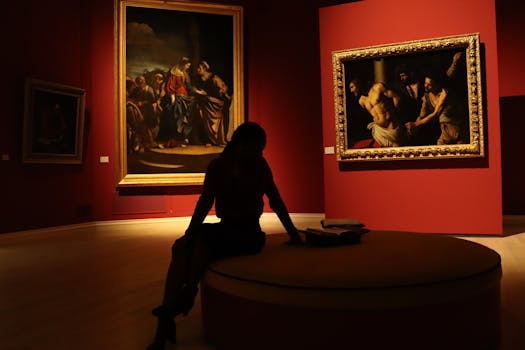
Imagine being surrounded by amazing historical objects, incredible artwork, or fascinating scientific specimens every day – that's often what a Museum Curator does! A curator is like a detective for history and culture. Their main job is to look after the collections in a museum or art gallery. This means they are responsible for researching objects, understanding their stories, and making sure they are kept safe and well-preserved for future generations. They help decide what objects the museum should acquire, ensuring that new items fit in with the museum's themes and goals. Curators also play a big part in creating exciting exhibitions. They choose which objects to display, write the descriptions and labels you see, and help design how everything looks to tell a clear and interesting story to visitors. They might give talks, lead tours, and work with educators to develop programmes for schools and the public. It's a job that requires a lot of curiosity, excellent research skills, and a passion for sharing knowledge about our past and present with everyone.

Museum Curator

Flag Media

Please select a reason for flagging this content.

📊 Statistics

Average Salary Range

In the UK, a starting salary for an Assistant Curator might be around 20,000 to 25,000 pounds per year. More experienced Curators can earn between 28,000 and 40,000 pounds, and Senior Curators or Heads of Departments might earn 45,000 pounds or more.

Job Market Size

While not a massive industry, there are hundreds of museums across the UK, from large national institutions to smaller local ones. The number of new curator positions opening each year can be quite competitive, often in the hundreds across the country.

Typical Working Hours

Most curators work standard full-time hours, usually around 37-40 hours a week, Monday to Friday. However, they might sometimes work evenings or weekends for special events, exhibitions, or research trips.

🚀 Careers in this path

Flag Media

Please select a reason for flagging this content.

Exhibitions Designer

Imagine you get to decide how all the cool things in a museum are shown off! You would choose where everything goes, what colours to use, and even design the labels so people can learn about the items. You could make a Roman helmet look super exciting!

Flag Media

Please select a reason for flagging this content.

Collections Manager

This is like being a super organised detective for all the museum's treasures! You would know exactly where every single ancient pot, old painting, or dinosaur bone is kept. You would make sure they are safe, clean, and in tip-top condition for future generations to enjoy.

Flag Media

Please select a reason for flagging this content.

Learning and Engagement Officer

Do you love sharing exciting stories and facts with people? As a Learning and Engagement Officer, you'd create fun activities, workshops, and tours for kids and families visiting the museum. You could help them discover history and art in amazing new ways!

Exploring Your Interests

Visit Museums & Galleries

Spend time visiting different types of museums, like history museums, art galleries, science centres, or even local community museums.

Pay attention to what interests you most. Do you like old objects, beautiful paintings, or amazing scientific displays? Think about how the exhibits are put together and what stories they tell. Ask if they have special family events or workshops you can join to learn more about their collections.

Read & Research

Read books, articles, or watch documentaries about history, art, archaeology, or science – anything that sparks your curiosity.

Curators need to be very knowledgeable about their chosen subject. Start exploring topics you find fascinating now. Use your local library or reliable websites to learn about different historical periods, artistic movements, or scientific discoveries. The more you learn, the more you'll understand what a curator does.

Join School Clubs

Look for school clubs like history club, art club, or even a debating society to build your research and communication skills.

Joining clubs related to your interests can help you develop important skills for a curator, such as researching topics, presenting information, and discussing ideas. You could even suggest starting a 'mini-museum' display at school to practise curating!

Developing Your Skills

Choose Relevant Subjects

At school, try to choose subjects like History, Art, English, or even Sciences if you're interested in a science museum.

These subjects will give you a strong foundation in research, critical thinking, and understanding different cultures and periods. English is important for clear writing, which curators need for exhibition labels and research papers. Good grades in these subjects will help you when applying for higher education.

Volunteer or Do Work Experience

Look for opportunities to volunteer at local museums, heritage sites, or galleries during school holidays.

Even small roles, like helping with visitor services, preparing educational materials, or assisting with events, can give you a real taste of how a museum works. It's a fantastic way to meet people who work in museums and understand the day-to-day tasks. Always ask if they have any specific work experience placements for young people.

Develop Research & Writing

Practise researching topics thoroughly and writing about them clearly and engagingly.

Curators spend a lot of time researching objects and then writing descriptions, exhibition texts, and reports. Work on improving your essay writing, note-taking, and presentation skills in school. Try to explain complex ideas in simple terms, which is crucial for museum labels that visitors read.

Higher Education & Specialisation

University Degree

Go to university to study a relevant subject like History, Art History, Archaeology, Anthropology, Museum Studies, or a specific science.

Most curators have at least an undergraduate degree (a Bachelor's) in their chosen field. Choose a subject you are passionate about and that aligns with the type of museum you'd like to work in. A good degree provides the deep knowledge and critical thinking skills essential for curatorial work.

Postgraduate Qualification

Many curators go on to complete a Master's degree (MA or MSc) in Museum Studies, Conservation, or their specialist subject.

A postgraduate degree, especially in Museum Studies, is often highly valued, or even essential, for curatorial roles. These courses provide specialised training in museum management, exhibition design, collection care, and curatorial practice. They can also offer valuable networking opportunities and practical placements.

Networking & Internships

Attend museum events, join professional bodies, and seek out internships to build connections and gain more experience.

Networking is key in the museum world. Go to conferences, workshops, and exhibitions to meet people already working in the field. Internships, even short ones, can provide invaluable hands-on experience and often lead to job opportunities or strong references. Many curatorial jobs are highly competitive, so connections and experience really help.

🎬 Useful Videos

🎯 View Apprenticeships

Explore relevant apprenticeships that can help you kickstart your career in Museum Curator. Apprenticeships offer hands-on experience and training while earning a wage.

Career Progressions

This page showcases various career options and the pathways to reach them. Each career listed here shares transferable skills and knowledge, making it easier for individuals to transition between them.

Your current career is highlighted to help you see how it fits into the broader landscape of potential career choices. By clicking on any career, you can learn more about it, including the training and education required to pursue it.

Remember, progressing in your career often involves further learning and training. This page provides insights into future career options as well as those that can lead up to your current one.

These career progression decisions are informed by comparing the skills and knowledge needed for different occupations, along with data on how people move between them. Explore the possibilities and discover the exciting journey ahead in your career!

Sample Qualifications

The user's input 'Museum Curator' directly matches the official job title 'Museum curator' from the provided list. Both terms refer to the same profession responsible for managing, conserving, and exhibiting collections within a museum.

How to become

You can get into this job through:

  • a university course
  • an apprenticeship
  • working towards this role

University

You can start by doing a degree in a subject like:

  • fine art or art history
  • museum or heritage studies
  • archaeology or ancient history
  • classics
  • natural sciences
  • anthropology
  • education

You can also study for a postgraduate qualification in museum and gallery studies, or in a particular style or period of art or history. This may give you an advantage when applying for jobs.

Some universities will require a relevant first degree to apply for a postgraduate course. Others may accept most subjects but expect you to have a lot of work experience to back up your application.

Entry requirements

You'll usually need:

  • 2 to 3 A levels, or equivalent, for a degree
  • a degree in any subject for a postgraduate course

More Information

Apprenticeship

You may be able to apply for a Curator Level 7 Apprenticeship with a cultural or heritage organisation.

This can take around 3 years to complete and combines on-the-job training with off-site learning.

Entry requirements

Employers will set their own entry requirements.

More Information

Work

You may be able to work as a collections assistant, education officer or conservator, before becoming a museum or gallery curator through training and promotion.

Volunteering

Paid or unpaid work experience in a museum, gallery or heritage property is usually essential to apply for courses and jobs.

More Information

Career tips

Digital skills are becoming increasingly important in this career, for example for cataloguing and archival purposes, and producing online and interactive content for wider public engagement. Any skills you can develop through work or volunteering will be helpful.

Professional and industry bodies

You can join the Museums Association for professional development and to make industry contacts.

Further information

You can learn more about how to become a museum or gallery curator from the Museums Association.

Interested in More Career Paths?

Explore other careers or use our AI to discover personalised paths based on your interests.

Stay connected

Join our newsletter to stay up to date on features and releases

Address
Developing Experts Limited
Exchange Street Buildings
35-37 Exchange Street
Norwich
NR2 1DP
UK

Phone
01603 273515

Email
[email protected]

Copyright 2025 Developing Experts, All rights reserved.
