Being an anthropologist is all about studying people, past and present! Imagine being a detective, but instead of solving crimes, you're figuring out why people live the way they do, what they believe, and how their societies work. Anthropologists look at everything from ancient civilisations by digging up old sites (that's archaeology, a type of anthropology) to understanding how different groups of people interact today, what their customs are, and even how they use technology. They might spend time living with a community to learn about their daily lives, or they might analyse old texts and artefacts. It's a job that requires a lot of curiosity, good observation skills, and a real interest in other cultures. Anthropologists work in many different places. Some teach at universities and do lots of research, writing books and articles about their discoveries. Others might work for museums, helping to organise exhibitions and explain different cultures to visitors. You could also find anthropologists working for charities, helping to understand the needs of communities in other countries, or for governments, advising on policies that affect different groups of people. It's a fascinating field for anyone who loves learning about human behaviour and diversity.

For entry-level roles in research, heritage, or international development, salaries can start from around 20,000 to 25,000 pounds per year.
With several years of experience, especially in academia, policy, or senior research roles, salaries can range from 35,000 to 50,000 pounds or more annually.
While specific 'Anthropologist' roles are limited, broader roles in social research, policy analysis, and international development that require anthropological skills often see hundreds of job postings across the UK each year.

Imagine being a detective for ancient times! Archaeologists dig up and study old objects like pottery, tools, and buildings to understand how people lived long, long ago. You'd be exploring historical sites and piecing together clues about past civilisations.

If you love understanding people and why they do what they do, this could be for you. A Social Researcher talks to different groups of people, collects information, and analyses it to understand current societies and cultures. You'd be helping to answer questions about how we live today.

Do you enjoy learning about interesting objects and telling their stories? A Museum Curator is like a storyteller for a museum. They help decide what goes into exhibitions, research the objects, and write descriptions so visitors can learn all about them. You'd be bringing history and culture to life!
Start by reading books, watching documentaries, and exploring online resources about various cultures and societies from around the world.
Dive into topics like ancient Egypt, the Amazon rainforest tribes, or even how different communities celebrate festivals in the UK. Websites like National Geographic, the BBC, and local museums often have great resources for learning about different cultures and human history. You could also explore different types of anthropology, such as social anthropology, biological anthropology, or archaeology.
Go to museums that focus on human history, cultures, and archaeology to see real artefacts and learn from experts.
Museums like the British Museum, the Pitt Rivers Museum in Oxford, or even your local history museum often have fascinating exhibits about different peoples and times. Look out for special events or workshops where you can learn even more about specific cultures or archaeological digs. This is a great way to see what anthropologists study firsthand.
Practice finding information, analysing what you find, and presenting your ideas clearly, whether it's for school projects or personal interest.
Anthropology involves a lot of reading, writing, and critical thinking. Start by getting really good at using your school library or reliable online sources to research topics you're interested in. Learn how to summarise information, form your own opinions, and back them up with evidence. These skills are super important for any academic path, especially one like anthropology.
Pick subjects that will help you understand human behaviour, history, and different societies.
Good GCSE choices include History, Geography, Religious Studies, and English. These subjects help you develop skills in research, critical thinking, and understanding different perspectives, which are all key to anthropology. While there isn't a specific 'anthropology' GCSE, these subjects will give you a strong foundation.
Continue your education by choosing subjects that deepen your understanding of the world and human societies.
Excellent A-Level choices would be Sociology, History, Geography, Psychology, and English Literature. These subjects will further develop your analytical skills, ability to interpret complex information, and understanding of human society and behaviour. Some universities might also look for subjects that show strong essay writing abilities.
Apply to universities to study Anthropology, or a related subject, at undergraduate level.
Most anthropologists have at least a Bachelor's degree in Anthropology. Some universities offer combined degrees like 'Archaeology and Anthropology' or 'Sociology and Anthropology'. Look at different university courses to find one that matches your specific interests within the field. You'll learn about different cultures, human evolution, archaeological methods, and how societies work.
Look for opportunities to get hands-on experience, even if it's just for a short time, to see what the work is really like.
This could involve volunteering at a local museum, participating in archaeological digs (if available and suitable for your age/experience), or helping out with community projects that involve cultural understanding. Even working or volunteering in diverse environments can help you develop important observational and interpersonal skills that are vital for anthropologists. Look for opportunities during university holidays.
Many anthropologists go on to do a Master's (MA or MSc) or a PhD to specialise in a particular area of anthropology.
If you want to work in academia (like being a university lecturer or researcher) or in a very specialised field, a postgraduate degree is often necessary. A Master's degree allows you to explore a specific topic in depth, while a PhD involves original research and writing a long dissertation. This is where you really become an expert in your chosen area, like forensic anthropology or cultural heritage.
Connect with people already working in anthropology to learn from their experiences and get advice.
Attend university seminars, join relevant student societies, or even reach out to lecturers or guest speakers. Professional bodies like the Royal Anthropological Institute (RAI) in the UK often host events or have resources for students. Building connections can help you discover job opportunities and gain insights into different career paths within anthropology, from research to working for NGOs or even in business.

Explores the past by excavating and studying artefacts and physical remains left by ancient civilisations.

Studies society and social behaviour by examining groups, organisations, and social institutions.
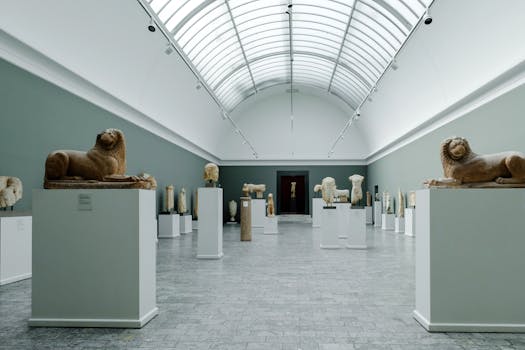
Manages and preserves collections of artefacts, artworks, or specimens, often creating exhibitions for the public.
Explore relevant apprenticeships that can help you kickstart your career in Anthropologist. Apprenticeships offer hands-on experience and training while earning a wage.
Explore other careers or use our AI to discover personalised paths based on your interests.
Address
Developing Experts Limited
Exchange Street Buildings
35-37 Exchange Street
Norwich
NR2 1DP
UK
Phone
01603 273515
Email
[email protected]
Copyright 2026 Developing Experts, All rights reserved.

Unlock expert-designed lessons, resources, and assessments tailored for educators. No credit card required.
Claim Your Free Trial →We use cookies to enhance your browsing experience and analyze our traffic. Learn more.

