Imagine you are a detective, but instead of solving crimes, you are solving mysteries about people and how they live! An Anthropologist is someone who studies humans, both past and present. They want to understand why people do the things they do, how they live together, what they believe, and how their societies work. This might mean looking at old bones and tools to learn about people who lived a very long time ago, or it might mean living with a group of people today to understand their customs and traditions, like their special celebrations, foods, or stories. They might write books or articles about what they discover, or help businesses understand their customers better. Anthropologists work in lots of different places. Some work in universities, teaching students and doing lots of research. Others work in museums, helping to tell the stories of different cultures through displays and exhibitions. They can also work for charities, helping people in different parts of the world, or for governments, advising on how to understand and help different communities. Their job is all about curiosity and understanding why we humans are so special and diverse!
For someone just starting out as an Anthropologist in the UK, they might expect to earn around 20,000 to 25,000 pounds a year.
With more experience, an Anthropologist in the UK could earn between 30,000 and 50,000 pounds a year, or even more for very senior roles.
While there aren't thousands of jobs specifically called Anthropologist, many people use these skills in other roles. There are hundreds of jobs each year that need people who understand cultures and people, often in universities, museums, or research.
Imagine being a detective for old things! An Archaeologist carefully digs up and studies things people left behind a long, long time ago, like old toys, tools, or broken pots. They help us understand how people lived in the past. It's like a treasure hunt, but the treasure tells us stories!

A Museum Curator is like a storyteller for a museum. They choose all the interesting old things, make sure they are looked after properly, and decide how to display them so that everyone can learn from them. They might write the descriptions next to the exhibits too, explaining what they are and why they are special.

A Historian is like a super-sleuth who investigates the past! They read old books, letters, and look at old photographs to find out what happened long ago and why. They help us understand how things have changed over time, from kings and queens to what school was like for your grandparents.
Start by being super curious about people and the world around you. Why do people do what they do? How do different families celebrate things?
Anthropologists are expert question-askers! If you're wondering why your neighbours have a different kind of garden, or why people speak different languages, you're already thinking like an anthropologist. Try to think about the 'why' behind things you see and hear every day. This helps you notice the interesting differences and similarities between people.
Find books, magazines, or websites about different countries, cultures, and how people lived long ago. It's like going on an adventure from your sofa!
Libraries are amazing places full of stories about people from all over the world and from different times in history. Look for books about ancient Egypt, the Vikings, or even modern-day tribes in faraway lands. Reading these stories helps you understand that there are many different ways to live and that every culture is special. You can also watch documentaries about different societies.
Go to museums to see old tools, clothes, and art from different times and places. These are clues that tell us about human history!
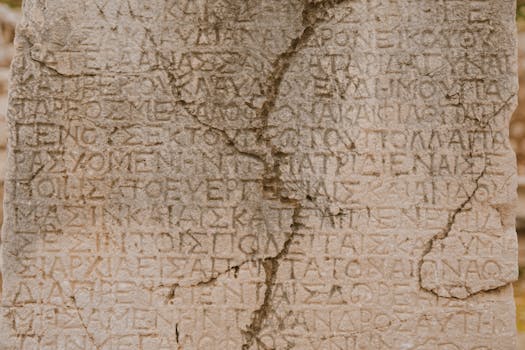
Museums are like treasure chests filled with clues about the past! When you visit a museum, you can see things that people used hundreds or thousands of years ago. Look at the pottery, the jewellery, or the ancient writings. Each object tells a story about how people lived, what they valued, and how they solved problems. Try to imagine the people who made and used these items.
Learning about history helps you understand how people lived in the past, and geography teaches you about different places and cultures around the world.
In history lessons, you'll learn about ancient civilisations, famous explorers, and big events that changed how people live. This is super important for an anthropologist because it gives you a timeline of human development. Geography helps you understand where different groups of people live, why they might have certain traditions because of their environment, and how cultures spread across the globe. Both subjects are like building blocks for understanding humanity.
Anthropologists need to be good at writing about what they find and talking to people. So, practise telling stories and writing clearly.
When anthropologists study people, they often write down notes, observations, and reports about what they've learned. Being able to write clearly and explain your ideas means others can understand your discoveries. Also, anthropologists often interview people from different cultures, so being able to talk respectfully and listen carefully is a very important skill. Practise describing things you see or explaining your thoughts to your family and friends.
Join clubs that involve learning about other people or helping your community. This helps you understand how groups work together.
Joining a drama club, a scouting group, or even helping out with a school project can teach you about teamwork and how different people contribute to a group. Anthropologists often study how groups of people live and work together, so understanding group dynamics is a fantastic skill. You'll learn how to observe, listen, and participate, which are all key for fieldwork later on.
When you're older, you could study Anthropology at university. This is where you learn all the special tools and ideas to become a real anthropologist.
At university, you can choose to study Anthropology as your main subject. You'll learn about different types of anthropology, like cultural anthropology (studying living people), archaeology (studying people from the past through what they left behind), or biological anthropology (studying human evolution). University is where you'll get to do deep research, write long essays, and even go on trips to learn about different cultures firsthand.
Anthropologists often travel to far-off places to live with and learn from different communities. Imagine exploring a jungle or a desert!
After university, or even during your studies, you might get the chance to travel to new countries. This isn't just for holidays; it's to immerse yourself in different cultures. You might live in a small village, learn a new language, and observe how people go about their daily lives, their customs, and their beliefs. This is called 'fieldwork' and it's a very exciting part of being an anthropologist.
Once you've learned exciting things, you can write books, make films, or teach others about your discoveries, helping everyone understand the world better.
The goal of an anthropologist is to understand human experiences and then share that knowledge with the world. You might write academic papers, publish books for a wider audience, create documentaries, or become a university lecturer to teach new students. Sharing your findings helps to bridge gaps between cultures, promote understanding, and even help solve problems in the world by showing how different people approach life.

An Archaeologist also studies humans from the past, but they do it by digging up old things like buildings, tools, and pottery from the ground to learn about how people lived long ago.

A Historian studies the past too, but they mostly look at written records, old letters, and important documents to understand events and people from different times.

A Sociologist studies how people live together in groups and societies today, looking at things like families, schools, and communities, and how they change.
Explore relevant apprenticeships that can help you kickstart your career in Anthropologist. Apprenticeships offer hands-on experience and training while earning a wage.
Explore other careers or use our AI to discover personalised paths based on your interests.
Address
Developing Experts Limited
Exchange Street Buildings
35-37 Exchange Street
Norwich
NR2 1DP
UK
Phone
01603 273515
Email
[email protected]
Copyright 2026 Developing Experts, All rights reserved.

Unlock expert-designed lessons, resources, and assessments tailored for educators. No credit card required.
Claim Your Free Trial →We use cookies to enhance your browsing experience and analyze our traffic. Learn more.

