
Creating Career Path...

Finding Further Careers...

Media Engineer

View this career for different education levels:

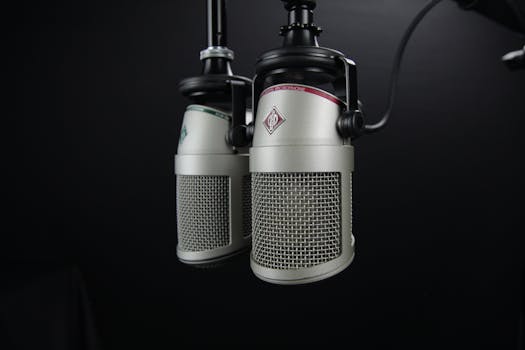
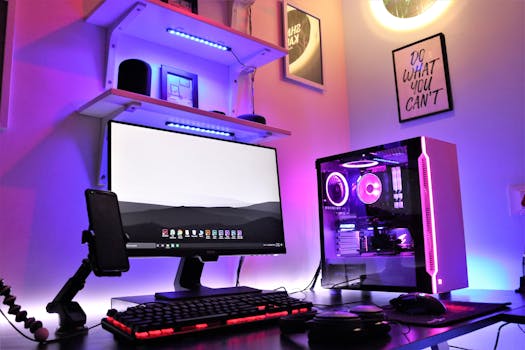
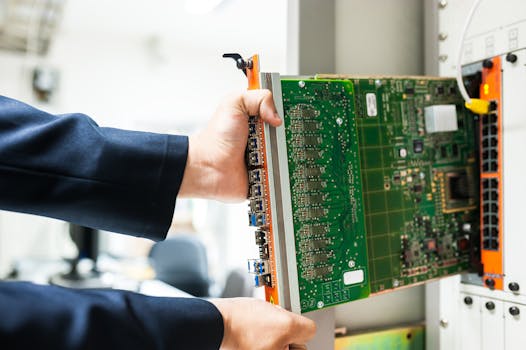
Imagine all the amazing TV shows, films, radio programmes, and online videos you enjoy. A Media Engineer is like a wizard behind the scenes, making sure all the technical stuff works perfectly to bring these to you! They are responsible for designing, building, maintaining, and fixing the complex equipment and systems used to create, transmit, and store media. This could involve setting up cameras and sound equipment in a studio, ensuring signals travel correctly for a live broadcast, or managing the digital systems that store all the recorded content. They need to understand both traditional broadcasting methods and the latest digital technologies, from internet streaming to advanced video formats. Being a Media Engineer is a hands-on job that combines technology with creativity. You might be troubleshooting a problem during a live football match, installing new software for a radio station, or helping to design a brand new virtual reality studio. It involves a lot of problem-solving and staying up-to-date with new gadgets and software. It is a really important role because without them, our favourite shows and music simply wouldn't make it to our screens or speakers!

Media Engineer

Flag Media

Please select a reason for flagging this content.

📊 Statistics

Average Starting Salary

New Media Engineers in the UK might expect to earn around 20,000 to 25,000 pounds per year, especially if they are just starting out with little experience. This can grow significantly with experience.

Experienced Salary Range

With several years of experience, a Media Engineer in the UK could earn between 35,000 to 55,000 pounds annually, and even more for very senior or specialised roles.

Job Outlook

While exact numbers fluctuate, the media and broadcast technology sector in the UK continues to be dynamic, with hundreds of job postings for roles like Media Engineer, Broadcast Engineer, or Support Engineer in media each year across various platforms, showing a consistent need for these skills.

🚀 Careers in this path

Flag Media

Please select a reason for flagging this content.

Broadcast Operations Technician

This is a bit like a Media Engineer, but more focused on getting TV and radio shows out to everyone. You'd help make sure all the cameras, microphones, and editing equipment work perfectly so programmes can be broadcast without any problems. It involves checking sound, picture, and making sure everything runs on time. It's hands-on and very exciting, especially during live shows!

Flag Media

Please select a reason for flagging this content.

Audio Visual Technician

Imagine setting up all the cool tech for big events like concerts, conferences, or even school plays! An Audio Visual Technician makes sure the sound systems, projectors, and screens are all working properly. You'd be involved in setting up microphones, speakers, and making sure the lighting looks brilliant. It's a great job if you like solving problems and seeing your work bring events to life.

Flag Media

Please select a reason for flagging this content.

Post Production Assistant

After a film or TV show has been shot, a Post Production Assistant helps to put all the pieces together. This could involve organising video clips, making sure the sound is right, or preparing the footage for editors to work their magic. It's all about making the finished product look and sound amazing, using computers and special software to refine everything. You'd be an important part of the team that polishes the final show.

Discovering Your Spark

Explore Your Interests

Start by exploring subjects at school that connect with technology, sound, and visuals. This is a great time to find out what you enjoy!

Pay attention in subjects like Design and Technology (DT), Computing, and Physics. These lessons often involve problem-solving, understanding how things work, and using technology – all key skills for a Media Engineer. Think about how sound is recorded or how cameras capture images.

Join School Clubs

Get involved in school clubs or activities that use technology, like a photography club, school radio, or drama tech crew.

Many schools have clubs where you can get hands-on experience with equipment. If your school has a drama club, offer to help with the lights or sound for a play. If there's a school newspaper, see if you can help with video interviews or podcasts. These activities are brilliant for practical learning.

Experiment at Home

Try out simple projects at home that involve sound, video, or electronics. You don't need fancy equipment to start!

You could try making short videos with a phone, experimenting with free audio editing software, or even building simple electronic kits. There are lots of online tutorials for beginners. Think about how you could improve the sound of a video or create special effects.

Building Your Foundations

Choose Relevant GCSEs

When you choose your GCSE subjects, pick ones that will give you a good foundation for a career in media engineering.

Good GCSE choices would include Maths, Physics, and IT/Computer Science. English is also important for clear communication. These subjects will help you understand the technical principles of sound and video, how computer systems work, and how to solve problems logically.

Consider Post-16 Options

After GCSEs, you'll need to decide on your next steps, whether that's A-Levels, BTECs, or an apprenticeship.

For A-Levels, subjects like Maths, Physics, and often a BTEC in Creative Media Production or IT can be very helpful. BTEC courses can be more hands-on and focus directly on media production techniques. An apprenticeship could allow you to learn on the job while studying for qualifications.

Research University Courses

Start looking into university degrees that focus on broadcast engineering, media technology, or related fields.

Many universities offer degrees like 'Broadcast Engineering', 'Audio and Music Technology', 'Film and Television Production Technology', or 'Sound Engineering'. Look at what modules they teach and what equipment they have. These courses will give you in-depth knowledge and practical skills.

Gaining Experience and Expertise

Seek Work Experience

Try to get work experience placements in media companies, radio stations, TV studios, or live event venues.

Even short placements can give you a fantastic insight into the daily life of a Media Engineer. You might observe engineers at work, help with basic setup, or learn about the different roles in a production. This looks great on your CV and helps you make contacts.

Build a Portfolio

Create a collection of your projects, showing off your skills in audio, video, or technical setup.

This could include short films you've made, sound designs, lighting plans, or even technical reports on how you solved a problem. A strong portfolio demonstrates your practical abilities and passion for the field to potential employers or university admissions.

Network and Learn Continuously

Connect with people already working in the media industry and stay updated with new technologies.

Attend industry events if you can, follow media tech companies online, and read industry magazines or websites. Technology in media changes very quickly, so continuously learning and understanding the latest trends and equipment is vital for a Media Engineer.

🎬 Useful Videos

🎯 View Apprenticeships

Explore relevant apprenticeships that can help you kickstart your career in Media Engineer. Apprenticeships offer hands-on experience and training while earning a wage.

Career Progressions

This page showcases various career options and the pathways to reach them. Each career listed here shares transferable skills and knowledge, making it easier for individuals to transition between them.

Your current career is highlighted to help you see how it fits into the broader landscape of potential career choices. By clicking on any career, you can learn more about it, including the training and education required to pursue it.

Remember, progressing in your career often involves further learning and training. This page provides insights into future career options as well as those that can lead up to your current one.

These career progression decisions are informed by comparing the skills and knowledge needed for different occupations, along with data on how people move between them. Explore the possibilities and discover the exciting journey ahead in your career!

Sample Qualifications

A Media Engineer develops and maintains media technology systems (audio, video, streaming, broadcast). A Live sound engineer performs closely related work, handling signal flow, mixing, and on-site equipment setup for live events, requiring hands-on technical expertise and systems integration.

How to become

You can get into this job through:

  • a university course
  • a college course
  • an apprenticeship
  • a specialist course run by a drama school

University

You can do a foundation degree, higher national diploma, or degree in a related subject like:

  • sound engineering
  • sound engineering and music production
  • sound, light and live event engineering

You can take a subject spotlight taster course with UCAS to learn more about studying this subject at university and make sure it's right for you.

Entry requirements

You'll usually need:

  • 1 or 2 A levels, or equivalent, for a foundation degree or higher national diploma
  • 2 to 3 A levels, or equivalent, for a degree

More Information

College

Some sound engineers start by taking a college course to develop their skills before looking for work.

Related subjects include:

  • music technology
  • sound technology
  • technical theatre: sound, light and stage
  • T Level in Media, Broadcast and Production

Entry requirements

Entry requirements for these courses vary.

  • 4 or 5 GCSEs at grades 9 to 4 (A* to C), or equivalent, including English and maths for a T Level

More Information

Apprenticeship

You could apply for an apprenticeship to get into this role, for example:

  • Creative Industries Production Technician Level 3 Advanced Apprenticeship
  • Audio Visual Technician Level 5 Higher Apprenticeship

These take around 2 years to complete.

Entry requirements

You'll usually need:

  • 5 GCSEs at grades 9 to 4 (A* to C), or equivalent, including English and maths, for an advanced apprenticeship
  • 4 or 5 GCSEs at grades 9 to 4 (A* to C) and A levels, or equivalent, for a higher or degree apprenticeship

More Information

Volunteering

You can get practical experience of using sound equipment to help your career prospects. This may be part of a course or you can try:

  • helping backstage in a theatre
  • being a roadie for a band
  • rigging a sound system in amateur or student theatre, or for local bands
  • working for a sound equipment manufacturer or hire company

Other Routes

Several drama schools offer degrees and diplomas in technical theatre accredited by the Federation of Drama Schools. Some of these courses include lighting and stage management as well as sound.

More Information

Professional and industry bodies

You can join The Institute of Sound, Communications and Visual Engineers for professional recognition, training opportunities and to make industry contacts.

Further information

You can get more information on working in creative careers from Discover Creative Careers.

Interested in More Career Paths?

Explore other careers or use our AI to discover personalised paths based on your interests.

Stay connected

Join our newsletter to stay up to date on features and releases

Address
Developing Experts Limited
Exchange Street Buildings
35-37 Exchange Street
Norwich
NR2 1DP
UK

Phone
01603 273515

Email
[email protected]

Copyright 2025 Developing Experts, All rights reserved.
